Scandals and rivalries
What Ava Gardner said about Frank Sinatra: he was the love of her life
In her autobiography, Gardner named Sinatra the love of her life. Her taped talks with ghostwriter Peter Evans, which stopped after she learned Sinatra had once sued him, also recorded the cheating and the fights.
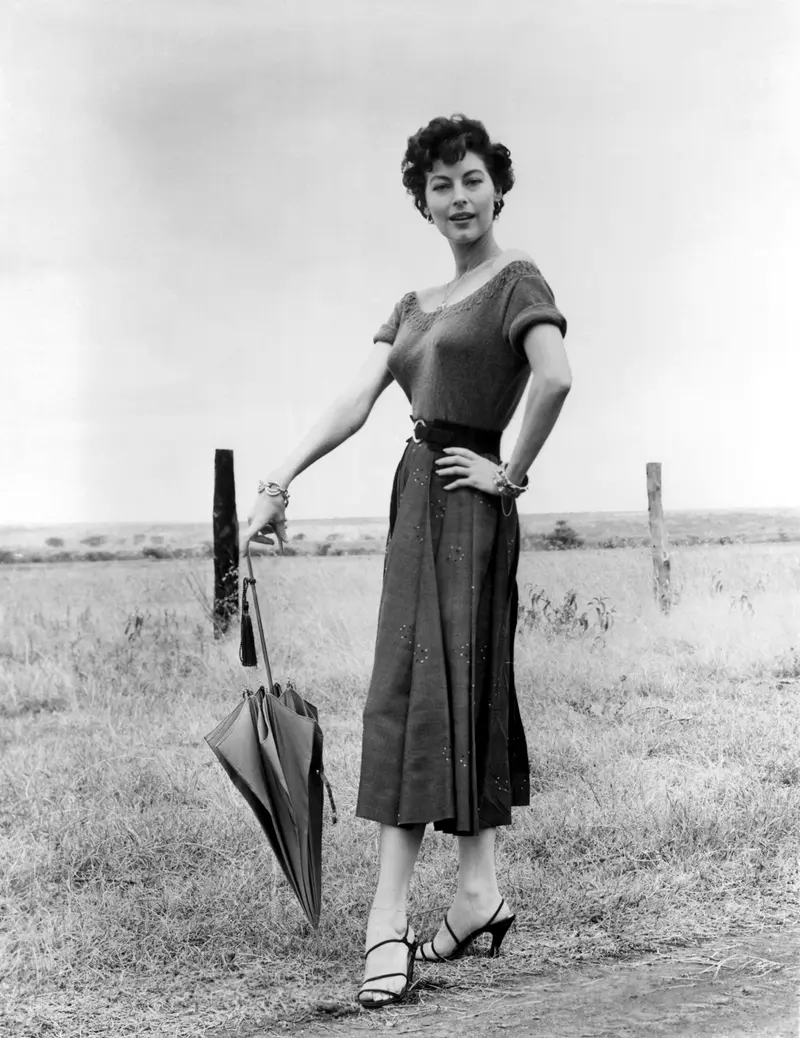
Photo: DoctorMacro.com
“I either write the book,” Ava Gardner told Peter Evans, “or sell the jewels.” It was the last stretch of her life, and she had been living in London since 1966. Her final address was 34 Ennismore Gardens in Knightsbridge, and Our State magazine reports that she personally chose three portraits of herself by the Dutch painter Bert Pfeiffer to hang in her London home. Evans was to ghostwrite her autobiography. The two met often, he worked from tapes of their talks, and she approved most of what he put on the page. Then she found out that Frank Sinatra, her former husband, had once sued Evans and the BBC. The friendship cooled, and Evans left the project.
What Gardner said about Sinatra comes down to two books. In Ava: My Story, published eight months after she died in 1990, she named him the love of her life. Ava Gardner: The Secret Conversations, which came out in 2013 after Evans’s death, keeps the rest of the account. Bryan Mims, writing in Our State in March 2014, set her verdict beside a marriage of cheating, fighting and much martini drinking, and he pointed to the Evans book, her reminiscences taken down word for word, as the record of it all. He also warned that some readers would find it more than they wanted to know.
The phone call to Nancy
The history she was describing began in 1943, at a club where she had come with Mickey Rooney. People magazine’s July 2017 rundown of Ava: A Life in Movies, by Kendra Bean and Anthony Uzarowski, says Sinatra was taken with her on the spot. He was married, they saw each other only now and then, and they kept apart until a meeting at MGM in 1949. The biography gives Sinatra’s memory of that day in his own voice. “Jesus, you got prettier,” he recalled telling her, “since last time I saw ya.” She was no longer the girl from Carolina he had known at the studio, he said, but “a woman who was glorious.”
The affair that followed had guns in it, at least in People’s telling. After one drunken 3 a.m. drive, with several store windows shot out by the couple’s two pistols, Sinatra’s publicist had to get them out of jail. Gardner also wanted proof of his intentions. The biography recounts a time she made him drive to his house and phone his wife, so that Nancy herself could confirm that he had asked for a divorce. Nancy would not give way at first, though she eventually agreed.
The accounts of that earlier marriage do not match. People describes Sinatra as happily married to his longtime sweetheart before 1949, while Sinatra himself, once reports of the affair broke in February 1950, insisted that the marriage had been over well before he met Gardner. Gossip columnists Hedda Hopper and Louella Parsons went after him for leaving his wife, and so did the Catholic Church and his own fans. The Associated Press’s entertainment calendar gives the wedding date as November 7, 1951.
Nairobi and the penalty clauses
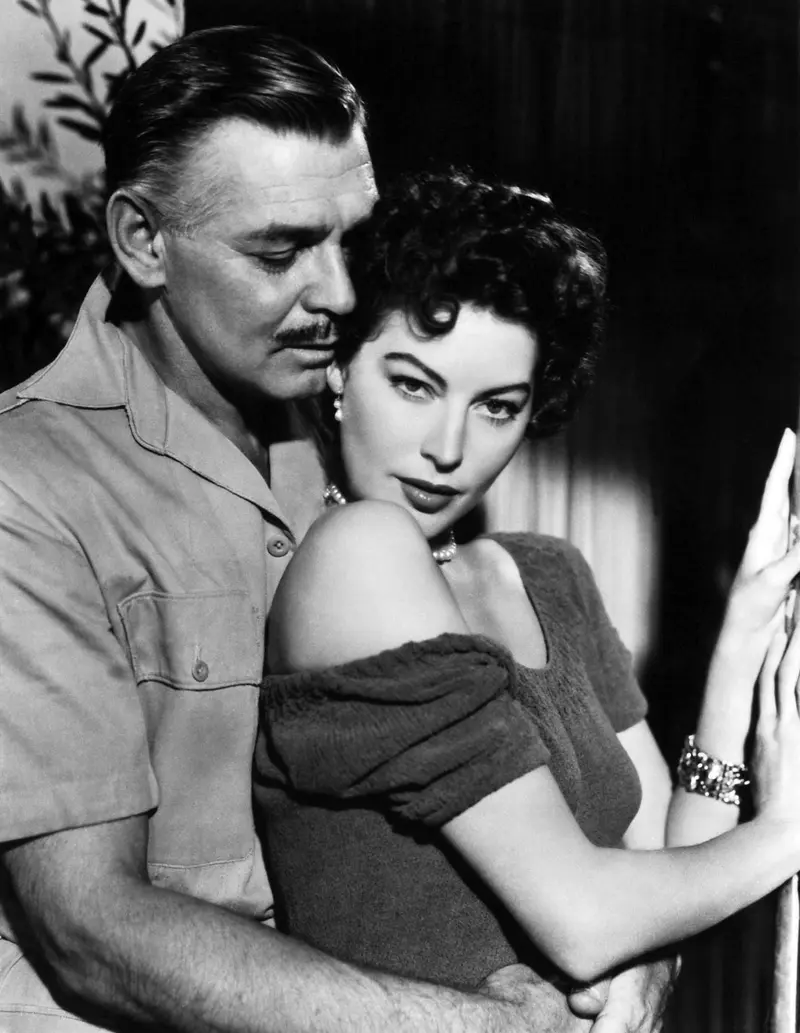
Off camera, Gardner could dispose of a man in a few words. Of John Ford, who directed her in Mogambo, she said: “Thoroughly evil. Adored him!” That film took the couple to Nairobi, and there, according to People’s summary of the biography, she became pregnant with Sinatra’s child and ended the pregnancy after he left, without telling him. People dates an abortion to late 1952 and says he was reportedly crushed when he learned of it. When she became pregnant again and made the same decision, he was there as she woke, with “tears streaming down his face,” in the words People gives.
New articles by email
An occasional email when a new article is out. No spam, unsubscribe any time.
Thanks. You are on the list.
On the reason, her own words and her biographers’ diverge. Her autobiography points at the studio: “MGM had all sorts of penalty clauses,” it says, “about their stars having babies.” Bean and Uzarowski, as People reports them, say she wanted a family, but not unless she could give children the stability she had known growing up. In 1966, the year she moved to London, she spoke more broadly about what she had given up. “I’m sorry,” she said, “I spent 25 years making films.” She wished now, she added, that she had “a good marriage, children, a better education.”
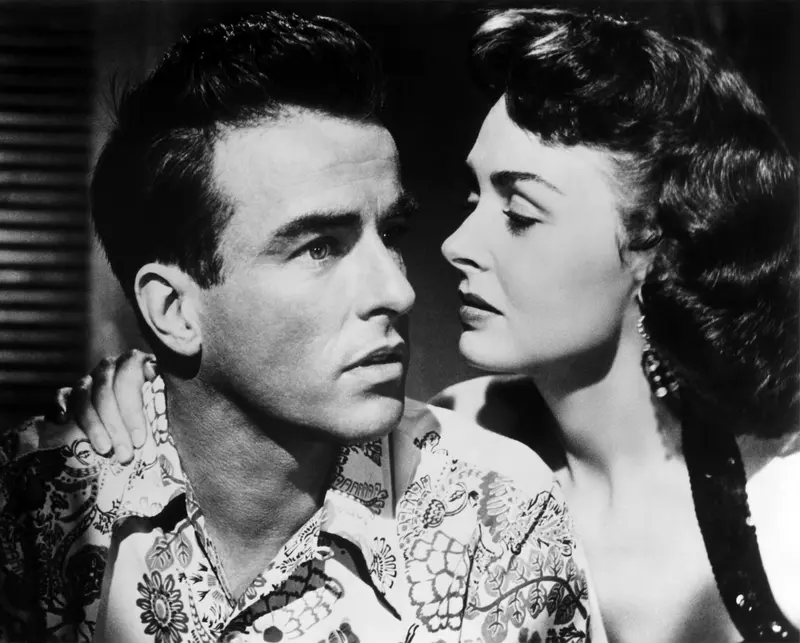
Their working lives were running on a different track. Gardner is credited with using her influence, above all with Harry Cohn, to land Sinatra his Oscar-winning part in From Here to Eternity, released in August 1953. The Canadian Moving Picture Digest of January 16, 1954, listed her work in Mogambo right beside his in that film, in a roll of surprise performances of exceptional quality. The same issue named her among the actresses competing with Audrey Hepburn in the New York critics’ voting for best actress.
The AP records that she filed for divorce in 1954. It did not become final until 1957, and People says both of them had affairs with other people before it did. Gardner was open-minded about adultery, the magazine reports, and she often complained of the double standard that excused men and shamed women. Her housekeeper, Rene Jordan, drew the limit in the biography: Gardner ended a secret romance with Fred MacMurray once she learned he had a sick wife.
The medically staffed plane
The friendship outlasted the marriage and held until her death. In 1986 she had a stroke, or two; People describes one, during recovery from pneumonia, that left her partly paralyzed, while Mims writes of two strokes that left her paralyzed and bedridden. She had the money for her own care. Sinatra wanted to pay anyway for a visit to a specialist in the United States, and she let him arrange a medically staffed private plane. She died of bronchopneumonia in Westminster on January 25, 1990, at 67, and she was buried in Smithfield, North Carolina, next to her parents and siblings. Mims, visiting the Ava Gardner Museum on East Market Street there, found on display the watch she gave Sinatra.
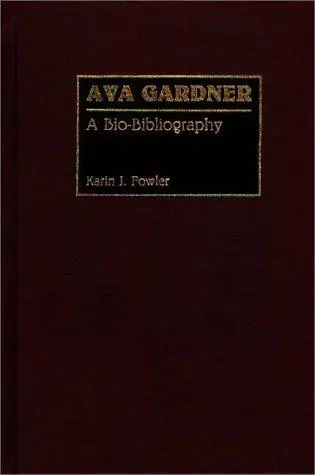
The record she left can be read in several ways. Ava: My Story is the place for her own verdict, and Open Library lists a 359-page Bantam edition from 1992. Bean and Uzarowski’s book, by its publisher’s account, sheds new light on her marriages and on the making of her screen image. Its jacket calls the Sinatra affair lifelong. For the plain record, the publisher of Karin J. Fowler’s Ava Gardner: A Bio-Bibliography says it highlights all three marriages and adds a chronology, complete film, television and radio listings, a bibliography and a record of archival sources.
Evans died in 2012, and his notes, along with sections of the draft he had built from those tapes, became The Secret Conversations. She had told him she would write the book or sell the jewels. The book that bears her name came out in 1990 without him and carried the verdict on Sinatra. His came out 23 years later and carried the fights.
How a marriage she judged that way came apart at the moment Sinatra’s career recovered is the subject of why Ava Gardner left Frank Sinatra in 1953, which settles what happened as his comeback began.
Read next
Scandals and rivalries / Ava Gardner
Why Ava Gardner left Frank Sinatra in 1953, just as his comeback began
Gardner carried Sinatra through his worst years with her money and her influence, then walked out within three months of his return. She gave two reasons: success had made him arrogant again, and one phone call.
Continue readingQuick answers
What did Ava Gardner say about Frank Sinatra?
Ava Gardner said Frank Sinatra was the love of her life, in her autobiography Ava: My Story, published in 1990. Her taped talks with Peter Evans, printed in 2013 as The Secret Conversations, also covered the cheating and fighting in their marriage.
Why did Ava Gardner divorce Frank Sinatra?
Ava Gardner’s divorce from Frank Sinatra ended a tumultuous marriage marked by separations, two ended pregnancies and affairs on both sides, according to People’s account of a 2017 biography. She filed in 1954 and the divorce became final in 1957. They stayed friends until her death.
Why did Ava Gardner marry mickey rooney?
Ava Gardner married Mickey Rooney after he kept asking until she gave in, in Bryan Mims’s telling in Our State, which guesses exhaustion played a part. They wed in January 1942, though MGM did not want them dating. A 2017 biography says she came to realize she was not really in love with him.
The full story is more complicated: "You're a symbol!": Why Ava Gardner married Mickey Rooney when MGM wanted them apart
Where did Ava Gardner live in london?
Ava Gardner lived at 34 Ennismore Gardens in Knightsbridge, London. She moved to London in 1966 after years in Madrid, and the Knightsbridge address was her final residence when she died in 1990.
How did Ava Gardner die?
Ava Gardner died of bronchopneumonia on January 25, 1990, in Westminster, London, at age 67. Her health had failed after 1986, when she suffered a stroke. Sources differ on whether there was one stroke or two, and on how severe the paralysis was.
In this article
Ava
Ava Gardner · 1990
Get the book
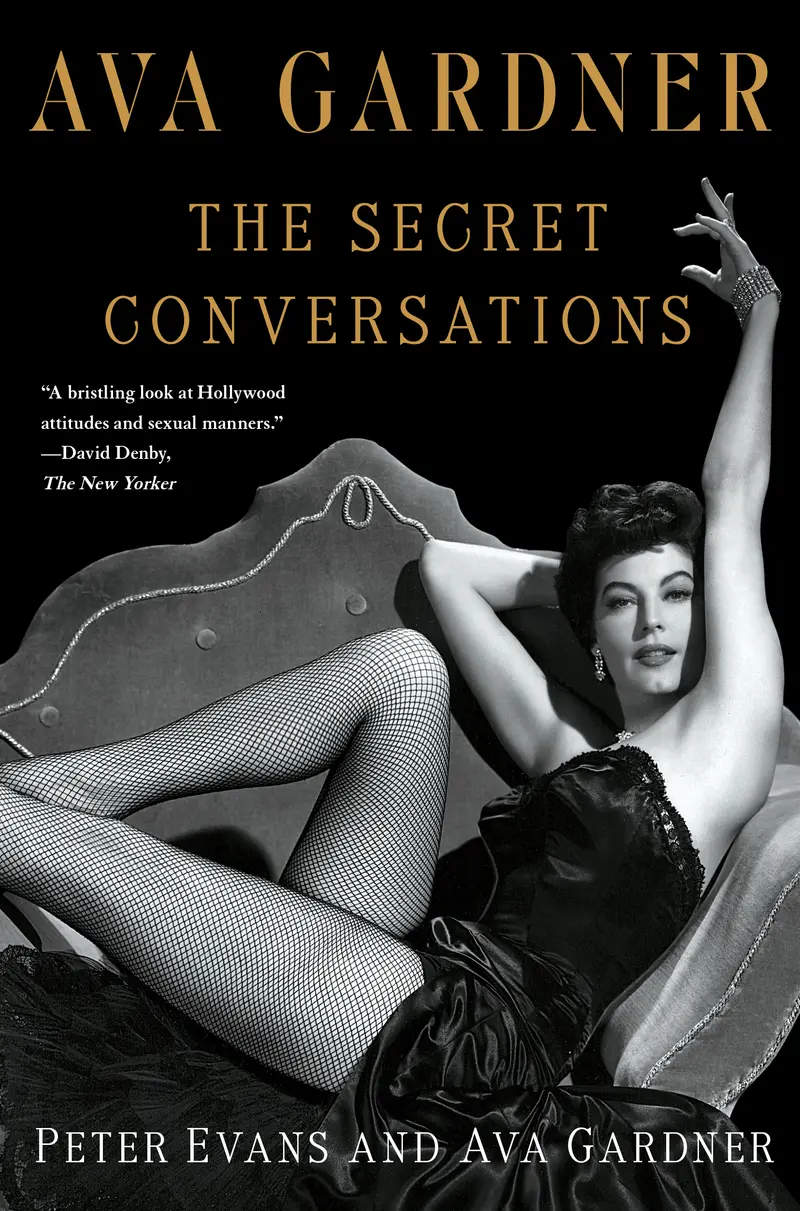
Ava Gardner
Peter Evans · 2013
Get the book
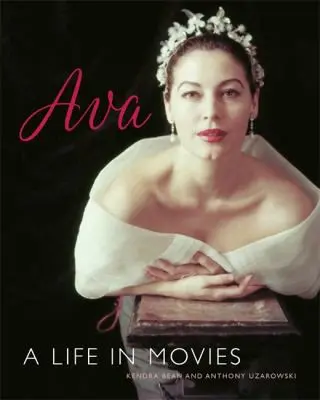
Ava
Kendra Bean · 2017
Get the book
Ava Gardner, a bio-bibliography
Karin J. Fowler · 1990
Get the book
Mogambo
John Ford 1953
Watch it
From Here to Eternity
Fred Zinnemann 1953
Watch it
Sources
- Ava by Ava Gardner (1990)
- Ava Gardner by Peter Evans (2013)
- Ava by Kendra Bean (2017)
- Ava Gardner, a bio-bibliography by Karin J. Fowler (1990)
- Biggest Bombshells From New Ava Gardner Biography: Her Tumultuous Marriage to Frank Sinatra & More, People, accessed 2026-11-04
- Our Ava, Our State, accessed 2026-11-04
- Today in Entertainment History: Sinatra and Gardner married, The Associated Press, via Bay to Bay News, accessed 2026-11-04
- Canadian Moving Picture Digest (Jan 16, 1954), page 10, Canadian Moving Picture Digest, accessed 2026-11-04
- Ava Gardner, Wikipedia, accessed 2026-11-04
- Frank Sinatra, Wikipedia, accessed 2026-11-04
Photo credits
- Ava Gardner in a still from Mogambo (1953). Photo: DoctorMacro.com