Scandals and rivalries
"He's still pissed at you": What happened to the men who kidnapped Frank Sinatra Jr.
Barry Keenan, Johnny Irwin and Joe Amsler were caught within days of the 1963 kidnapping but served only fractions of their long sentences, and the mastermind ended up a successful real estate developer.
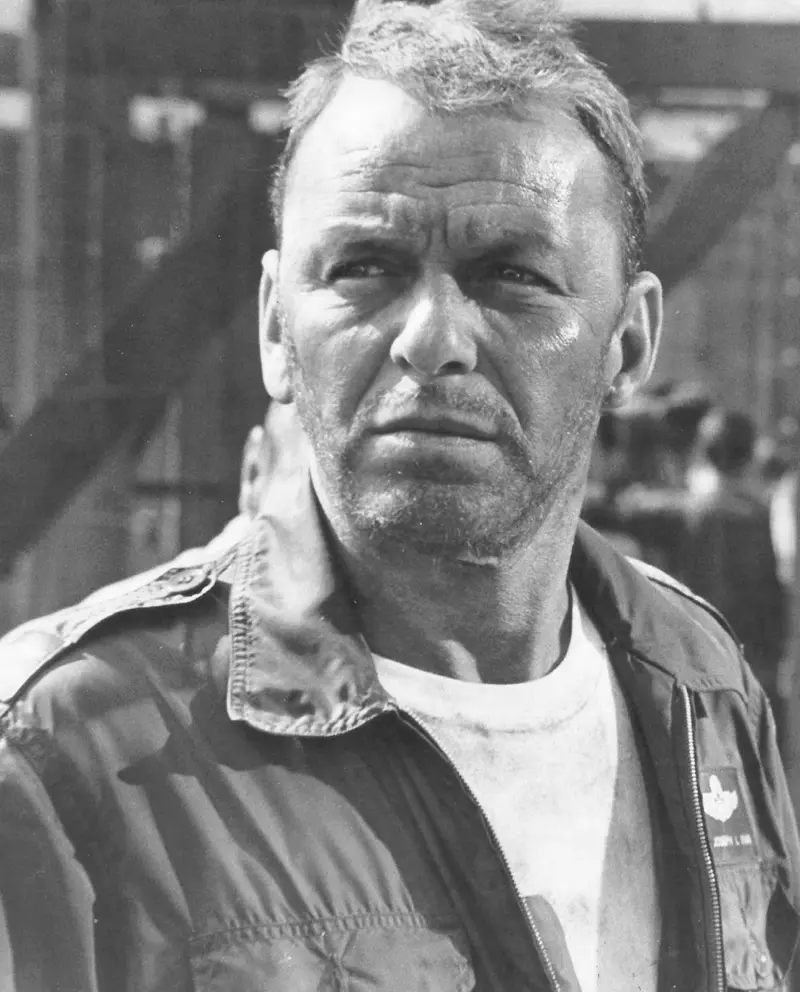
20th Century Fox, Wikimedia Commons (Public domain)
Anchor, the publisher of James Kaplan’s Frank: The Voice, calls Frank Sinatra the “best-known entertainer of the twentieth century,” and he was also a man whose godfather, Willie Moretti, was underboss of the Genovese crime family. On paper, his son was about the worst target in America for a get-rich-quick scheme. Yet the men who kidnapped that son came out of it remarkably lightly, and the ringleader’s send-off was a joke from John Stamos, who posted on Instagram with a warning about meeting Sinatra Senior wherever he had landed: “run! He’s still pissed at you.”
That ringleader was Barry Keenan, and the short answer goes like this. He, Joe Amsler and Johnny Irwin were in FBI hands within days of taking Frank Sinatra Jr. from a Lake Tahoe hotel room in December 1963, and all three were convicted of kidnapping and handed long sentences, then served only a sliver of them. Keenan, the mastermind, drew life plus 75 years, walked out after four and a half once he was found legally insane at the time, and then did rather well for himself in real estate.
His later years are well documented, mostly in his own voice. The 2021 podcast Snatching Sinatra, made by Stamos, ran long interviews with him and left the two men close friends. He had already gone over the affair on BBC Radio 4’s Witness in January 2014, and he told Ira Glass he had first meant to earn the money back over the years and repay it. David Arquette and William H. Macy, meanwhile, had starred in Stealing Sinatra, Showtime’s 2003 movie based on the kidnapping.
He made an unlikely criminal. At 21 he was already the Los Angeles Stock Exchange’s youngest member, until a car accident left him penniless and addicted to painkillers, and he eventually cooked up the plan and recruited help. He also had a psychiatric condition that made him hear voices, felt God had blessed the scheme, and, since he meant to pay the money back one day, saw nothing immoral in it.
The father could hardly have been having a worse year. Nevada’s Gaming Control Board suspended his gambling license in 1963 after Sam Giancana was spotted at the Cal Neva Lodge, and his close friend John F. Kennedy had been assassinated only weeks before the kidnapping. Sinatra was shooting Robin and the 7 Hoods with the Rat Pack when, on December 8, his 19-year-old son was taken from Room 417 at Harrah’s, and the strain had him seriously considering shutting the picture down, though it was eventually finished.
New articles by email
An occasional email when a new article is out. No spam, unsubscribe any time.
Thanks. You are on the list.
Then came a haggle that reads like a comedy sketch. Sinatra offered $1 million and the kidnappers turned it down, asking for $240,000 instead, a negotiating style nobody teaches. They insisted that all contact go through payphones, and his worry about running out of coins left a permanent mark: he kept 10 dimes on him for the rest of his life and was buried with 10 in his pocket. He paid, his son was released two days after the abduction, and Keenan, by his own lights, felt he was drawing the Sinatra family closer together.
The father’s working life rolled on. The Warner Bros. pressbook for Marriage on the Rocks in 1965 billed him as “the world’s No. 1 show business personality,” with Nancy Sinatra, it noted, cast as his daughter, and Fox’s campaign manual for Von Ryan’s Express sold him in “the most daring mass escape ever conceived.” Readers after the man rather than the marketing can try Kaplan’s 802-page book, which Anchor describes as running from Hoboken to the Oscar-winning return in From Here to Eternity, or Donald Clarke’s 516-page All or Nothing at All.
Of the other two kidnappers, the record is thin. Irwin had the famed attorney Gladys Root representing him, but Wikipedia’s entries on Frank Jr. and Keenan give no release dates or later lives for him or Amsler. Keenan’s exit was another matter. The year after the podcast he texted Stamos to say he was about to kill himself, and he died on November 13, 2022. Stamos’s post gave his age as 82, said he had been “in a tremendous amount of physical pain” and “He’s free now,” then pictured him “sitting pretty at the big table” holding a Cuban cigar and a White Russian, the setup for that parting warning.
Frank Jr., for his part, had a singing career to build, and he said his famous name meant having to “work three times harder” than “the guy off the street.” From 1988, at his father’s request, he put that career on hold to serve as his musical director and conductor, and he died of cardiac arrest on tour in Daytona Beach on March 16, 2016, at 72. Reviewing a 2003 concert, the critic Richard Ginell wrote that he might have had an easier time “had he gone into real estate,” though he was glad he had not, and that line of work, as it turned out, went to his kidnapper.
The kidnapping came eleven years after Columbia and MCA dropped Sinatra in 1952. What happened to Frank Sinatra after his career collapsed in 1952 goes back to that slide and how he climbed out of it.
Read next
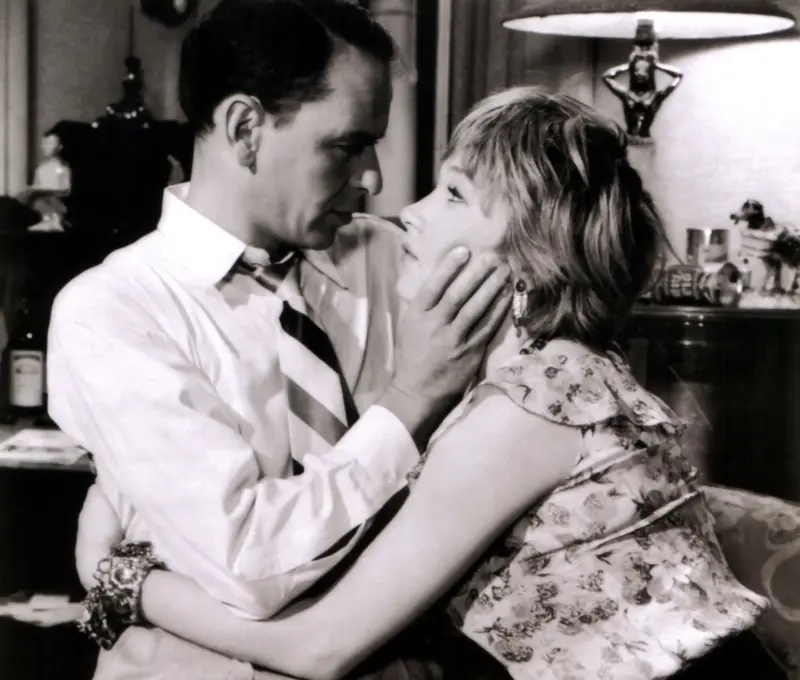
Star profile / Frank Sinatra
What happened to Frank Sinatra after his career collapsed in 1952
By 1952 Frank Sinatra had lost his record label, MCA and most of his audience. A film role and a new arranger in 1953 began a second career that ran until his death in 1998.
Continue readingQuick answers
What happened to Frank Sinatra jr kidnappers?
Frank Sinatra Jr.'s kidnappers, Barry Keenan, Johnny Irwin and Joe Amsler, were caught within days, convicted and given long sentences, of which they served only small portions. Keenan got life plus 75 years, served four and a half, and was released as legally insane at the time. He later became a successful real estate developer.
How did Frank Sinatra jr die?
Frank Sinatra Jr. died of cardiac arrest on March 16, 2016, at age 72, while touring in Daytona Beach, Florida. His family gave the news to the Associated Press and called the death unexpected.
What happened to Frank Sinatra jr?
Frank Sinatra Jr. was kidnapped at 19 on December 8, 1963, and released two days later after his father paid a $240,000 ransom. He went on to work as a singer and, from 1988, as his father’s musical director and conductor. He died in 2016.
Did Frank Sinatra jr voice family guy?
Yes. Frank Sinatra Jr. appeared in the Family Guy episode “Brian Sings and Swings,” returned in the 2008 episode “Tales of a Third Grade Nothing,” and was featured a third time in “Bookie of the Year,” which aired after his death on October 2, 2016.
In this article
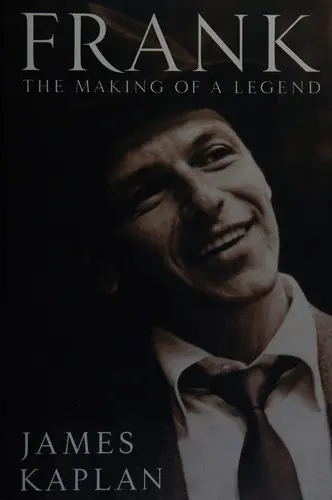
Frank
James Kaplan · 2010
Get the book
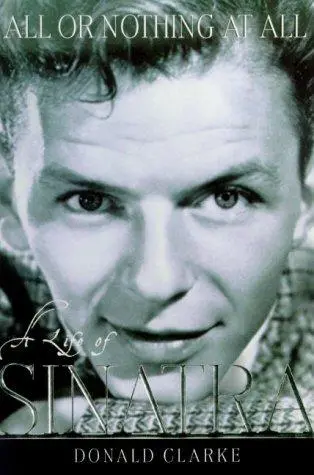
All or nothing at all
Donald Clarke · 1997
Get the book
Von Ryan's Express
Mark Robson 1965
Watch it
From Here to Eternity
Fred Zinnemann 1953
Watch it
Sources
- Frank Sinatra Jr., Wikipedia, accessed 2026-11-04
- Barry Keenan, Wikipedia, accessed 2026-11-04
- Frank Sinatra, Wikipedia, accessed 2026-11-04
- Marriage on the Rocks (Warner Bros. Pressbook, 1965), Warner Bros., accessed 2026-11-04
- Von Ryan's Express (20th Century Fox Pressbook, 1965), 20th Century Fox, accessed 2026-11-04
- Frank by James Kaplan (2010)
- All or nothing at all by Donald Clarke (1997)
Photo credits
- Frank Sinatra in Von Ryan's Express (1965). 20th Century Fox, Wikimedia Commons (Public domain)