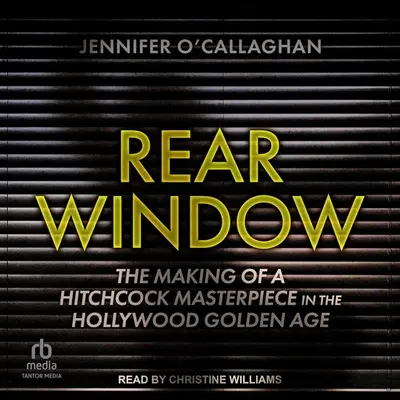
Rear Window
Jennifer O'Callaghan · 2025
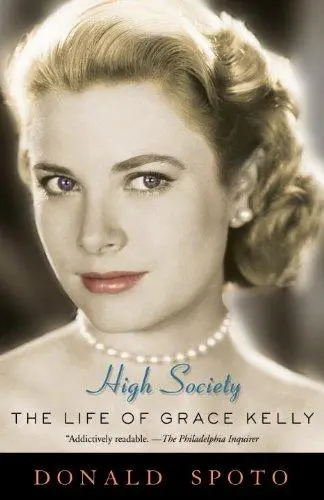
the life of Grace Kelly
About Grace Kelly
High Society: The Life of Grace Kelly is a biography of Grace Kelly by Donald Spoto, published in 2009 by Harmony Books according to the Open Library record. The publisher’s description presents it as a portrait built on interviews with Kelly herself and on documents her children released, and it says Spoto held the book back for 25 years after her death because she asked him to. Kirkus Reviews, in a notice listed under Nov. 3, 2009, called Spoto “a meticulous writer” and faulted him for “placing Kelly on a pedestal.”
The catalog lists 15 other books about Kelly, and 14 of them are older, running from Marjorie P. K. Weiser’s Grace Kelly (1970) to Wendy Leigh’s True Grace (2007). The one later title is Jennifer O’Callaghan’s Rear Window (2025), whose subtitle names the making of a Hitchcock film. The catalog classes Spoto’s book as a biography, like all the others except James Spada’s Grace (1987), which it lists as a memoir.
Kirkus directs a reader to two subjects in particular, Kelly’s acting style and her work with Alfred Hitchcock. The same review says a reader should not expect new or surprising insights into her work or persona.
The description carried by Open Library and Google Books calls the book “an intimate, honest, and authoritative portrait” and calls Spoto a bestselling biographer with “unprecedented access” to Grace Kelly. It says the book rests on interviews with Kelly that had never been published or quoted, and on interviews gathered over many years with her friends and colleagues. Those it names are her costars James Stewart and Cary Grant and the director Alfred Hitchcock. It adds that her children disclosed many of the documents for the first time.
The same description frames the screen career as 11 movies made from 1950 through 1956, ending with her retirement at age 26, and it names her parts as Amy Fowler Kane in High Noon and Frances Stevens in To Catch a Thief. It traces Kelly from a convent school through modeling in New York and television work to an Oscar and life as a princess. It also promises an account of her private life, including the men she loved and those she did not, and of what sat behind “the facade of her fairy-tale life.”
Kirkus Reviews reports that the book covers Kelly’s wealthy Philadelphia family and her lifelong sense of distance from a father driven by success and a cold, disapproving mother. The review notes the help she had on Broadway from relatives such as her uncle, the playwright George Kelly. It says Spoto is especially interested in Hitchcock, describing “a fraught collaboration” complicated by the director’s “possessive, unrequited passion” for the actress.
On the performances, Kirkus says Spoto treats Kelly’s “fresh, affectless acting style” as the key to her appeal on screen. He writes at length, the review adds, about her gift for “high comedy,” which Kirkus glosses as polite farce with nothing vulgar or unpleasant in it. Kirkus compares his treatment of Kelly to the way her character is “worshipped” in the 1956 musical High Society, which shares the book’s title. Kirkus and the publisher differ on what the book delivers. The description promises the truth about her personal life, while the review says Spoto repeatedly praises her spirit and rebuts the rumors that she was promiscuous.
Wikipedia’s entry on Kelly records a second tie between author and subject: she wrote a foreword to Spoto’s The Art of Alfred Hitchcock, in appreciation of her work in three of the director’s films. The same entry says Spoto published High Society 25 years after her death.
The records disagree on the edition. Open Library gives Harmony Books and 303 pages, while Google Books gives Crown Archetype, Nov. 3, 2009, and 338 pages. Wikipedia’s bibliography lists a Crown Publishing entry under 1994, which conflicts with the 2009 date in both of those records, and a 2010 Random House entry under the title High Society: Grace Kelly and Hollywood. Open Library’s subject headings include princesses, the motion picture industry and film.
High Society is Donald Spoto’s 2009 biography of Grace Kelly, subtitled The Life of Grace Kelly and published by Harmony Books. It shares its name with her 1956 musical film. The publisher’s description says it draws on interviews with Kelly and on documents disclosed by her children.
No. Donald Spoto’s High Society is a biography of Grace Kelly, not a stage or screen work. Kirkus Reviews does call the 1956 film of that name a musical, co-starring Kelly with Frank Sinatra and Bing Crosby.
Jennifer O'Callaghan · 2025
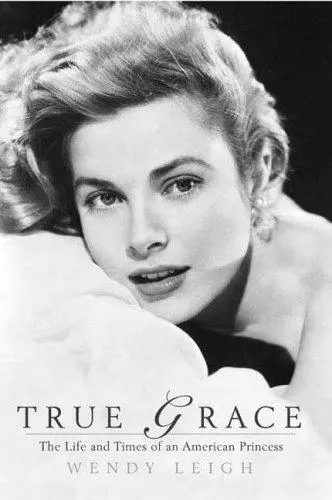
Wendy Leigh · 2007
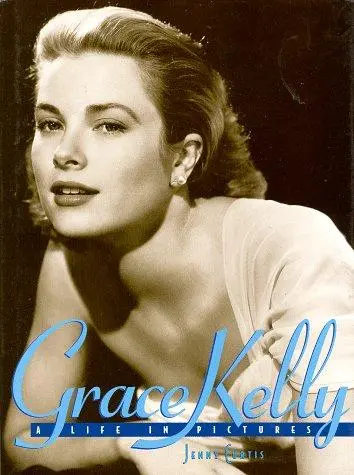
Jenny Curtis · 1998
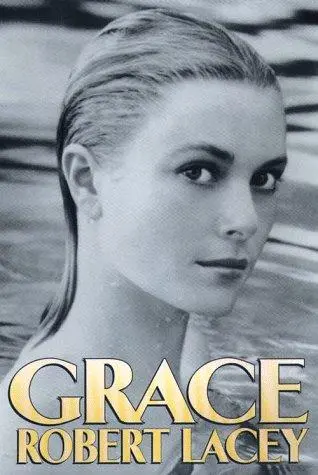
Robert Lacey · 1994
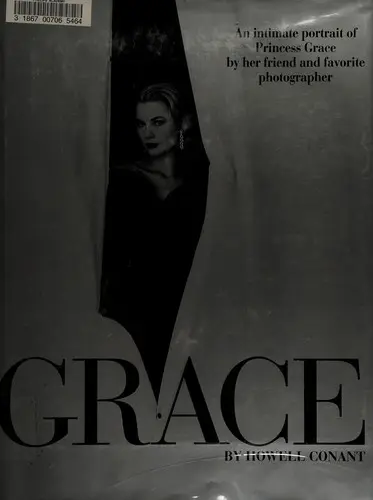
Howell Conant · 1992
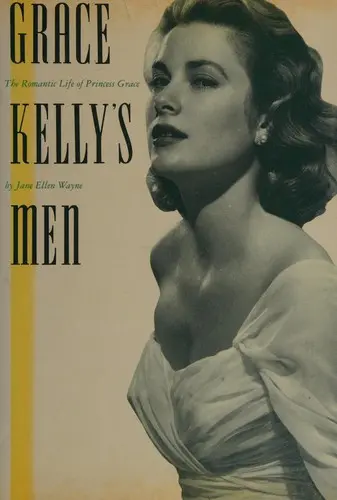
Jane Ellen Wayne · 1991
Jeffrey Robinson · 1989
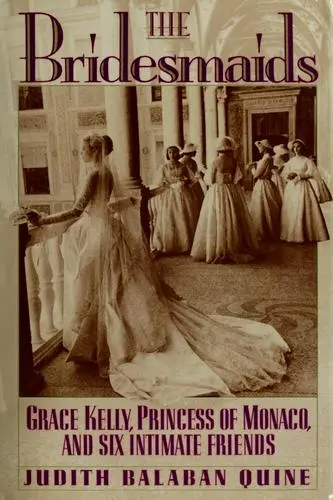
Judy Quine · 1989
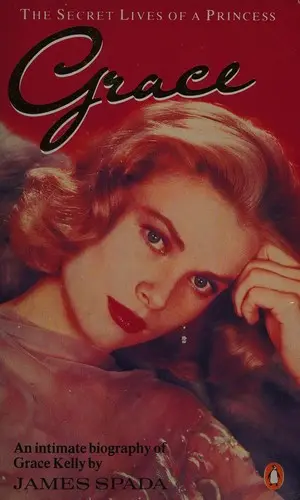
James Spada, Grace Kelly · 1987
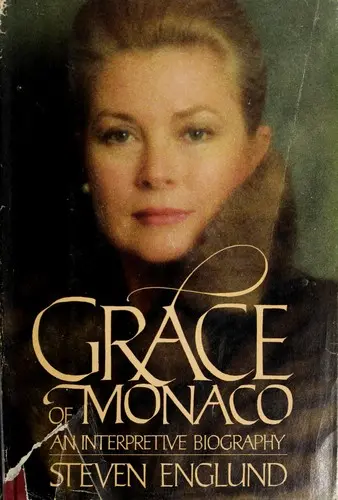
Steven Englund · 1984
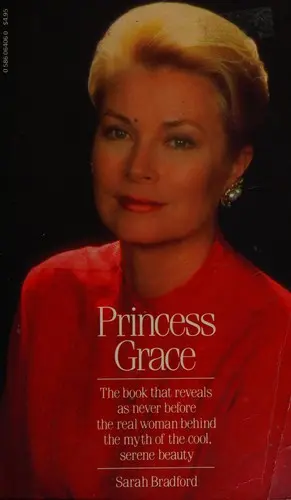
Sarah Bradford · 1984
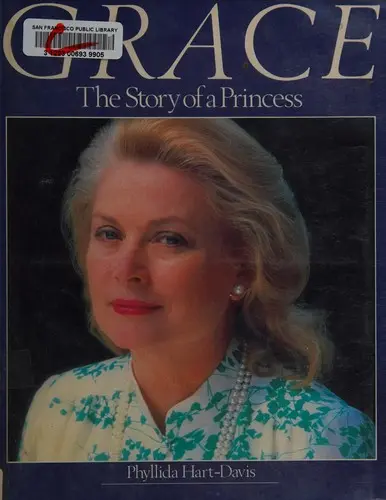
Phyllida Hart-Davis · 1982
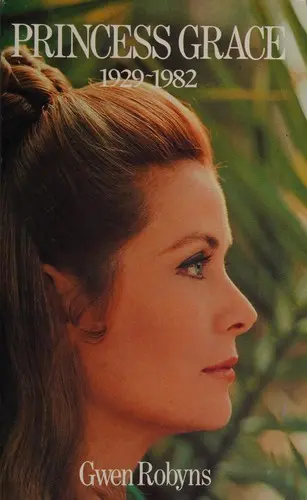
Gwen Robyns · 1976
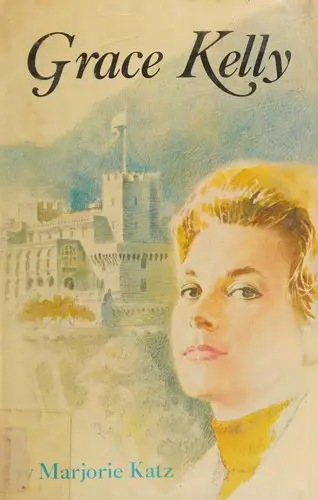
Marjorie P. K. Weiser · 1970
We use Google Analytics to see which pages help. Allow it?