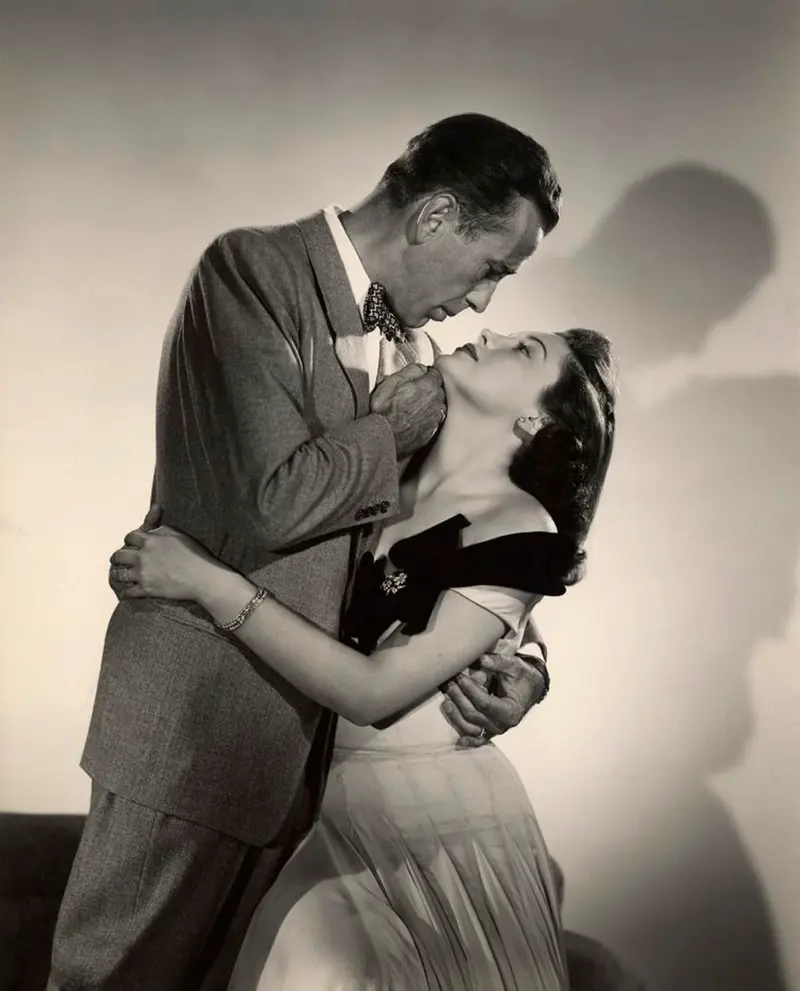
The Barefoot Contessa
Joseph L. Mankiewicz 1954
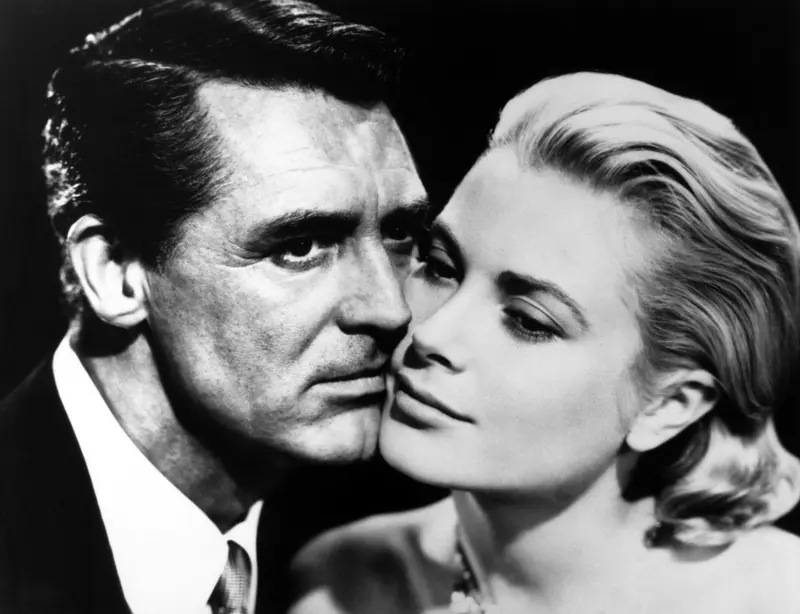
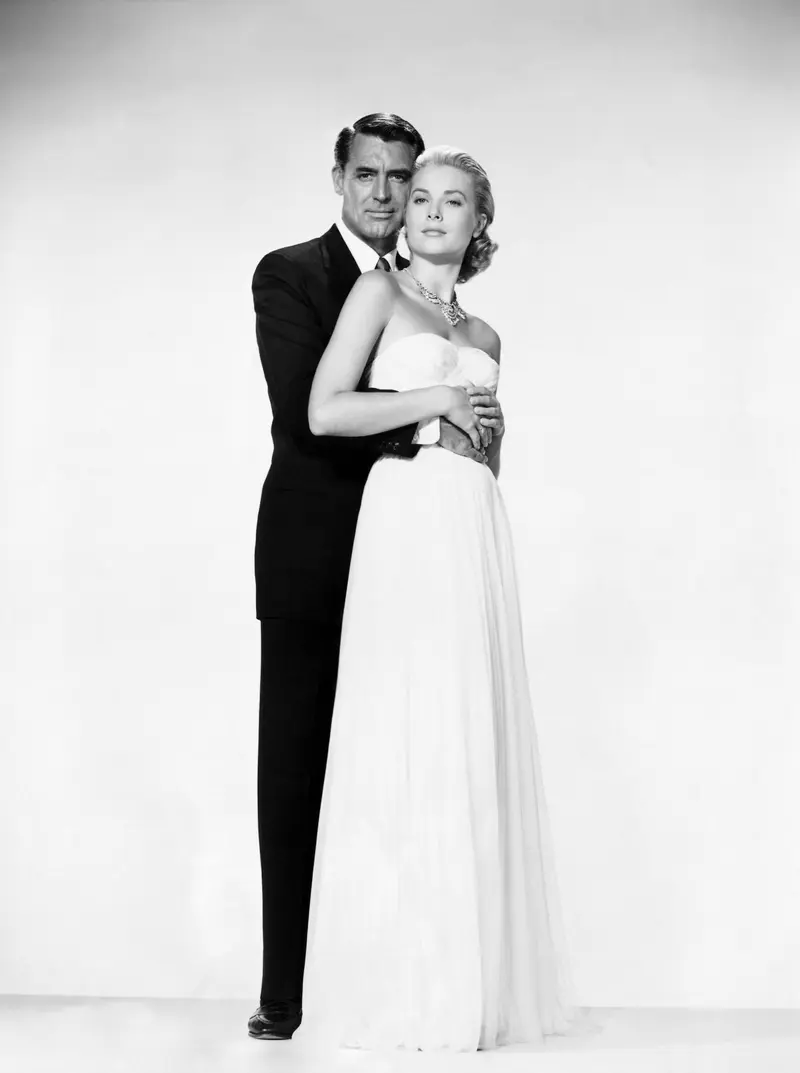
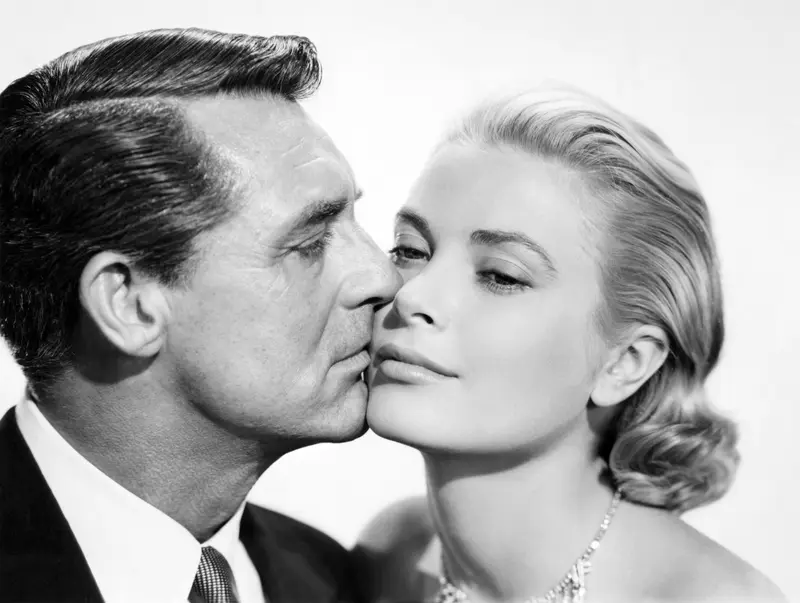
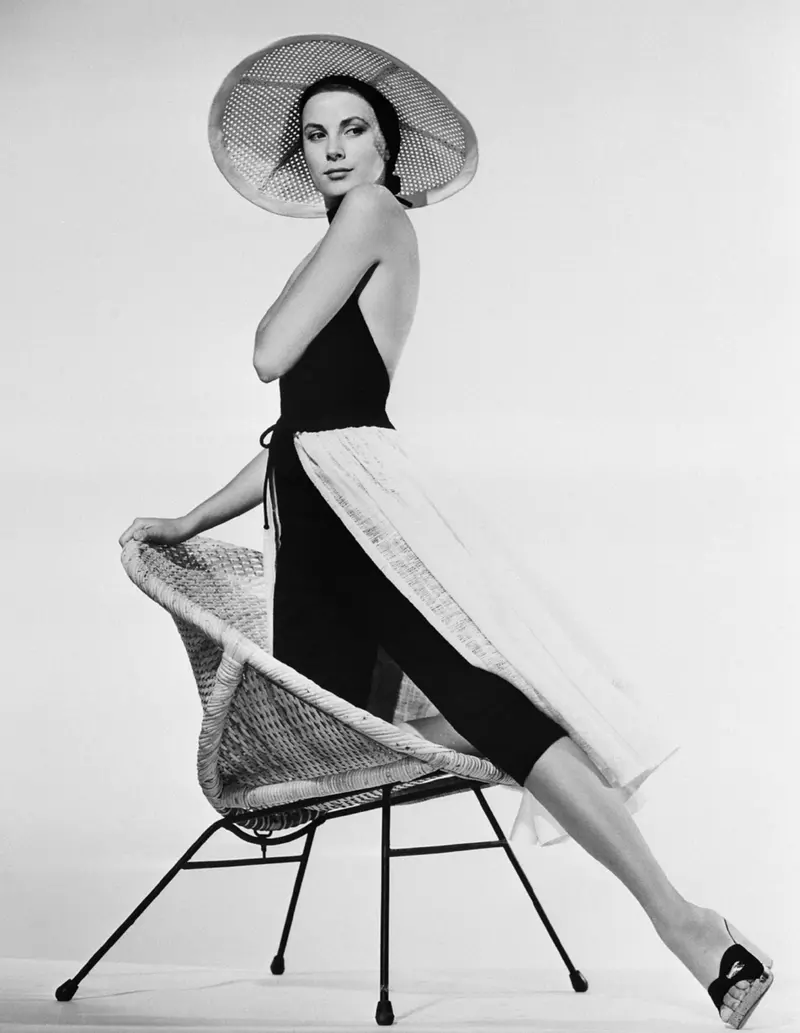
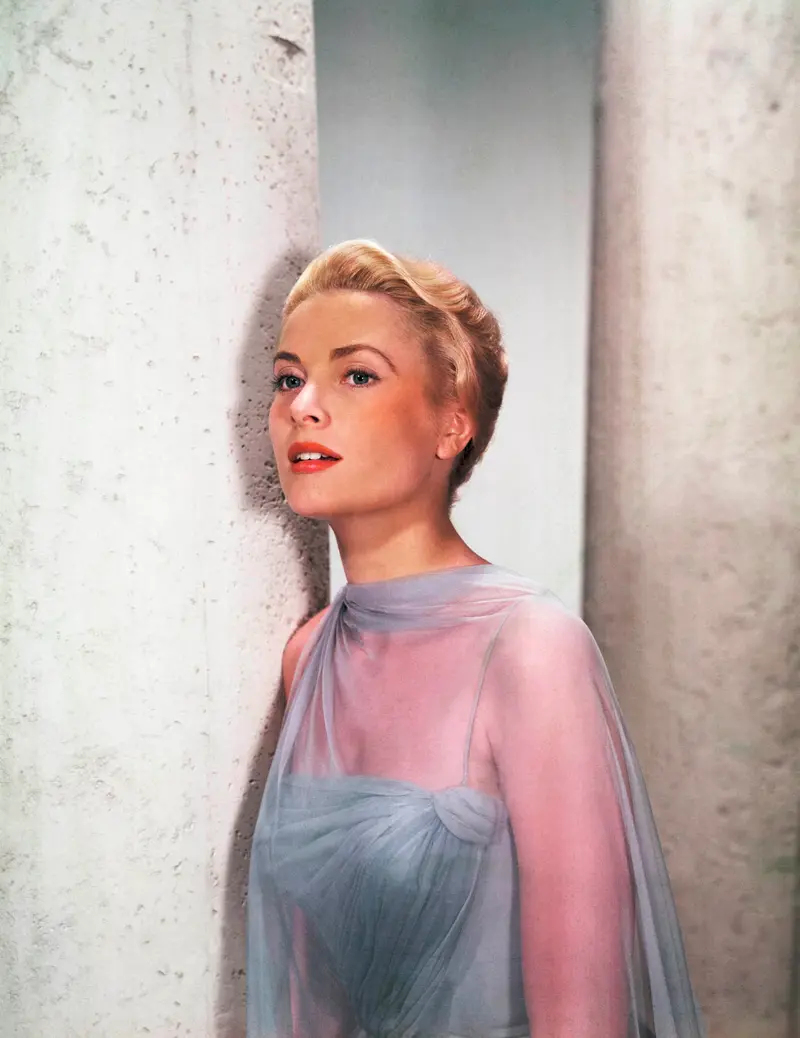
Alfred Hitchcock’s 1955 romantic thriller is set on the French Riviera. Cary Grant plays John Robie, a retired jewel thief hunting the impostor who has copied his methods, Grace Kelly plays Frances Stevens, and Jessie Royce Landis plays her widowed mother, Jessie Stevens. Reviewers divided over its suspense, and Robert Burks won the Academy Award for his cinematography.
Not listed on Amazon right now. Search Amazon for it.
Photo: DoctorMacro.com
The Canadian Moving Picture Digest of 24 Sep 1955 reported that Paramount’s To Catch a Thief had been held for a third week at the Capitol in Vancouver, and it said the personal visit of its star, Cary Grant, “proved a hypo at the boxoffice.” The picture is a romantic thriller in which Grace Kelly plays the American tourist Frances Stevens, Jessie Royce Landis plays her widowed mother, Jessie Stevens, and Grant plays John Robie, a retired jewel thief known as “The Cat.” Police on the Riviera suspect Robie of a series of burglaries, and he sets out to clear himself by catching the impostor. An insurance agent’s list of the people on the Riviera with the costliest jewelry puts the Stevens women at the top, and Robie befriends them under a false identity.
Alfred Hitchcock directed it for Paramount from John Michael Hayes’s screenplay, based on David Dodge’s 1952 novel. It was the third and last film Kelly made for Hitchcock, whose other two with her were Dial M for Murder and Rear Window. Grant’s four films for Hitchcock are Suspicion, Notorious, this one and North by Northwest (1959).
The Canadian Moving Picture Digest of 17 Sep 1955 followed Cary Grant across Canada on his publicity visit for the film. In Vancouver he appeared at the Capitol for two days with Winston Barron, the Toronto editor and commentator for Canadian Paramount News, and he also made personal appearances at the Capitol in Victoria. In Winnipeg, the same issue reported, he gave newspaper and radio interviews, called on Mayor George Sharpe at City Hall, and appeared three times at the Metropolitan Theatre. A cocktail party was also held in his honor there. The Digest of 24 Sep 1955 counted Grant’s Canadian tour among the personal appearance tours of recent months, along with those of Richard Todd and Jack Webb.
The same paper tracked the run week by week. Max Chic’s column of 17 Sep 1955 named the picture among the releases since Labor Day doing “smash business across the country.” The Digest’s listings put it in a third week at the Imperial in Toronto on 17 Sep, a fourth on 24 Sep and a fifth on 1 Oct, and they billed it as VistaVision and Technicolor. Its 24 Sep Vancouver notes called the Capitol holdover “one of the longest runs” on a major film in many months, in a column that also reported the city’s “worst summer business in years.” The 1 Oct issue cited the Imperial run, among other Toronto holdovers, as evidence of the strength of the current releases.
Actress Brigitte Auber and script supervisor Sylvette Baudrot are the subjects of Tifenn Brisset’s “Two Interviews About To Catch a Thief” (Film International, 2013), which also discusses a different ending and differences in the script. Secret of the Incas (1954) and Shane (1953) were among the location-heavy Paramount films behind the reputation of unit production manager C.O. “Doc” Erickson, who researched the logistics of the shoot in the South of France in detail. Hitchcock’s cameo comes about ten minutes in, on a bus beside Grant and a pair of caged birds. Atrapa a un ladrón, Viacom’s Spanish-language television adaptation, launched in October 2019. Paramount still owns and controls this film alone among the six Hitchcock made there, while the other five passed to his personal ownership and are now distributed by Universal.
Later accounts of Grant’s career say he believed his film career was over after Dream Wife failed in July 1953, and that he briefly left the industry. They describe the production of To Catch a Thief as among the most enjoyable of his working life, and they report that he called Kelly “possibly the finest actress” he had worked with. For directing and producing, Hitchcock took under $50,000, while Grant’s 10% share of the gross brought him more than $700,000. Critics gave Grant high praise, according to the same accounts, even though the film’s own reception was mixed.
Accounts of Kelly’s career say she flew to the Riviera after making Rear Window, The Bridges at Toko-Ri, The Country Girl and Green Fire in succession, on her fifth loan to Paramount. Edith Head designed the costumes, including the gold lamé gown for the costume ball, and received an Academy Award nomination. Vogue reported that the red gown Billie Eilish wore to the 2021 Met Gala was inspired by one Kelly wore in the film. Asked years later for his favorite actress, Grant set Ingrid Bergman aside and answered, “I much preferred Grace. She had serenity.” The two remained close friends after the shoot, and Grant attended her funeral in Monaco in 1982.
Jessie Royce Landis played the mother of Kelly’s character here and again in The Swan, and she played Grant’s mother in North by Northwest. She listed her birth year as 1904, although the 1900 U.S. Census records her as a 3-year-old born in November 1896.
Reviews were mixed, and suspense was the point of dispute. The Guardian called the picture “a thorough disappointment” and said the master criminal’s unmasking arrives “as mildly as bread and milk.” The Monthly Film Bulletin judged Hitchcock’s tricks with the audience “a poor substitute for the real thing.” John McCarten of The New Yorker wondered “what has happened to the man” and wrote of Kelly, “She does not, presumably, try to act.” Harrison’s Reports found less suspense than expected, yet called the story “tight and swiftly-paced.” Variety said it was “not the suspense piece” associated with Hitchcock’s name, though “strong on sight and performance values,” and it noted “some plot weaknesses.”
Other notices were warmer. François Truffaut wrote that the film satisfied all of Hitchcock’s admirers and was still “one of the most cynical films” he had made. Philip K. Scheuer of the Los Angeles Times found the two stars “ideal in the romantic leads” and the dialogue “daring but delightful,” and he praised “the spell of the French Riviera.” Richard L. Coe of The Washington Post described characters living in “glorious workless luxury” and wrote, “I loved every minute of it.” Bosley Crowther of The New York Times called the film “a hit in the old Hitchcock style” and singled out Grant and Kelly in “one sly seduction scene.”
The reviewing itself drew a reply in the trade press. A writer quoted in the Canadian Moving Picture Digest of 1 Oct 1955 objected to Lee Rogow’s notice in The Saturday Review of Literature, which took the form of an imagined conversation with a Hollywood producer. Rogow’s producer complained of “not enough movies about jewel thieves” and conceded that New York critics might find the jewels missing from the dialogue. He also claimed that 10,000,000 women would trade Albert Schweitzer and Pandit Nehru for Cary Grant. The Digest’s writer called this “intellectual doodling” and faulted Rogow for leaving out Landis’s “wonderfully amusing portrait” of the widow.
To Catch a Thief was filmed largely at Paramount’s Hollywood studios, with location work in southeastern France’s Alpes-Maritimes. The locations included Cannes, Nice, Villefranche-sur-Mer, Saint-Jeannet and Tourrettes-sur-Loup. Unit production manager C.O. “Doc” Erickson researched the logistics of the French shoot.
To Catch a Thief ends with Robie trapping the real thief, Danielle Foussard, on a rooftop and forcing her to tell the police that Bertani planned the thefts. Frances then follows him to his villa, and he seems unenthusiastic once she mentions that her mother will love the place.
How To Catch a Thief was made: Alfred Hitchcock directed it for Paramount from John Michael Hayes’s screenplay of David Dodge’s 1952 novel. It was the first of his five films in VistaVision, and Robert Burks won the Academy Award for its cinematography.
Joseph L. Mankiewicz 1954
John Ford 1953
Henry King 1952
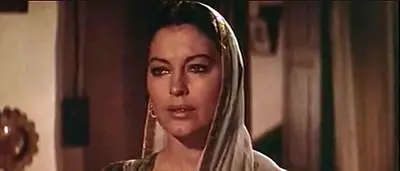
George Cukor 1956
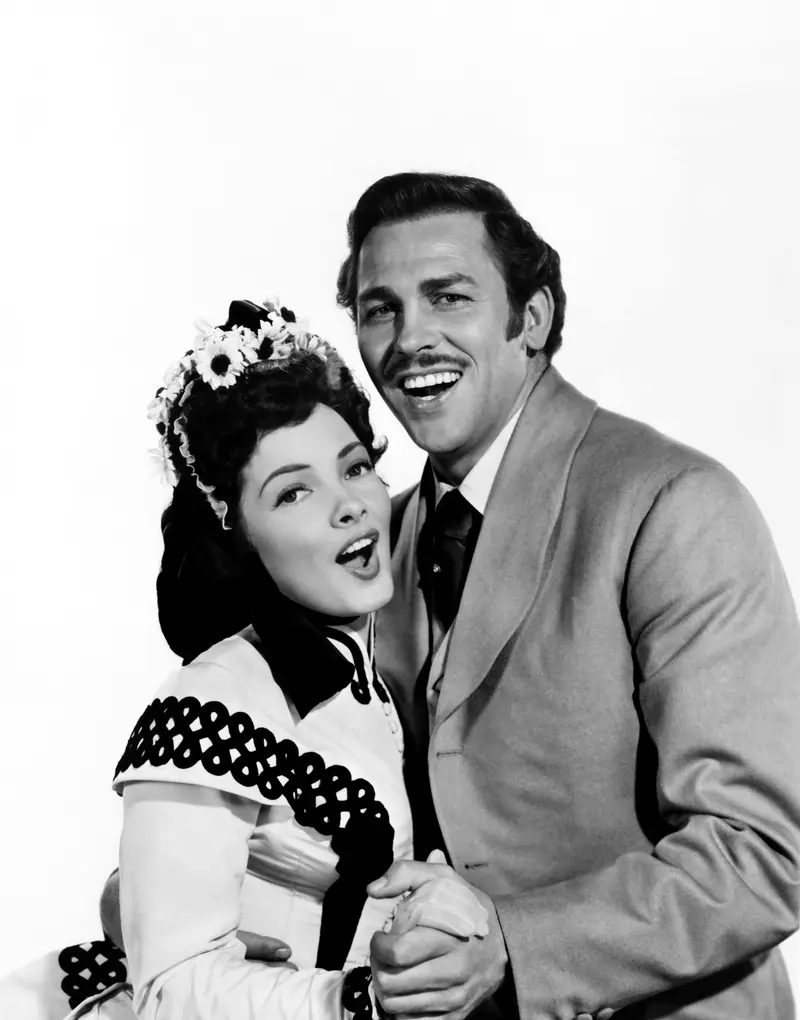
George Sidney 1951
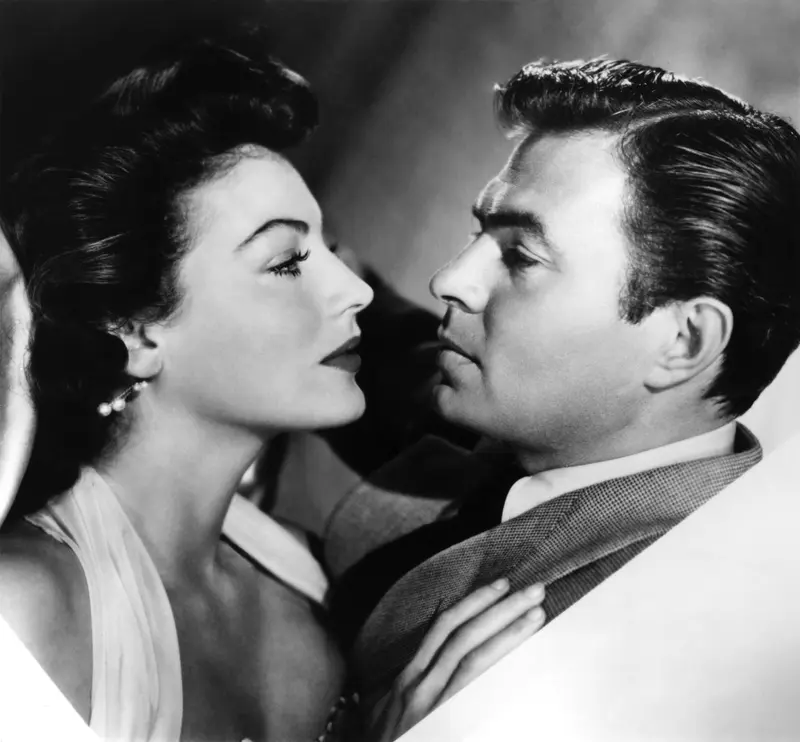
Albert Lewin 1951
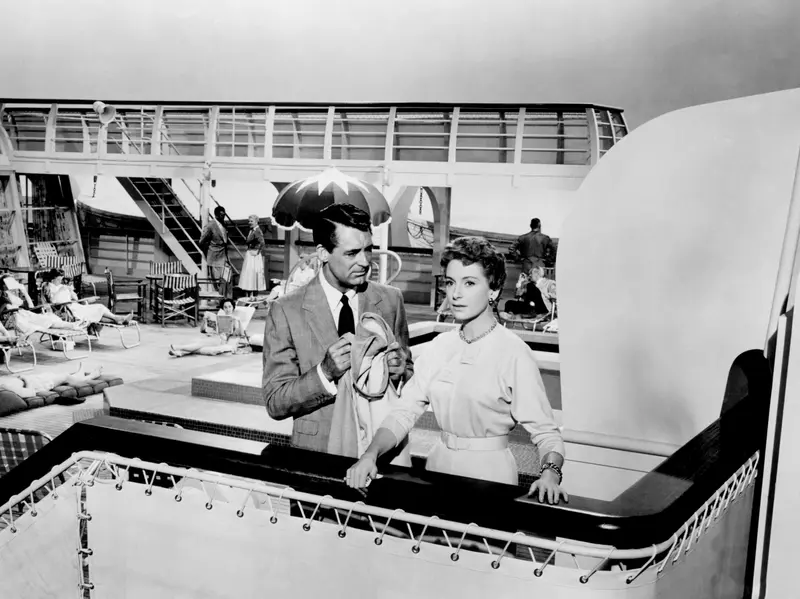
Leo McCarey 1957
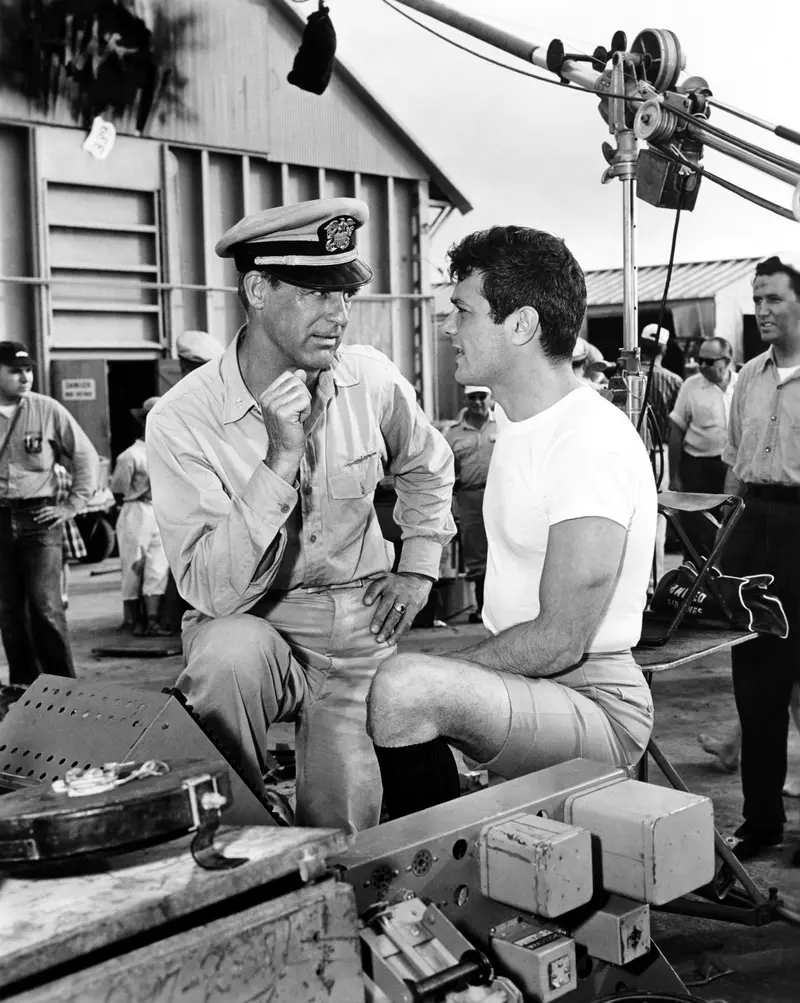
Blake Edwards 1959
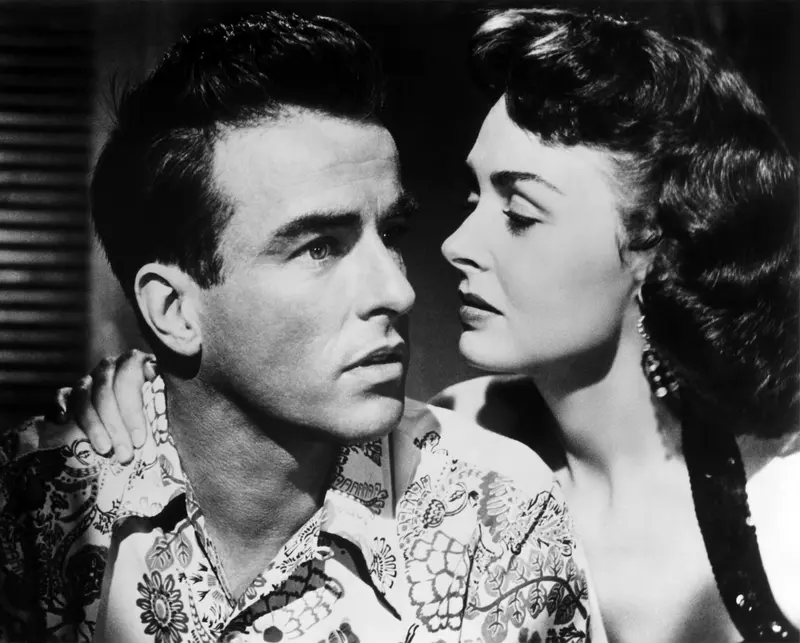
Fred Zinnemann 1953
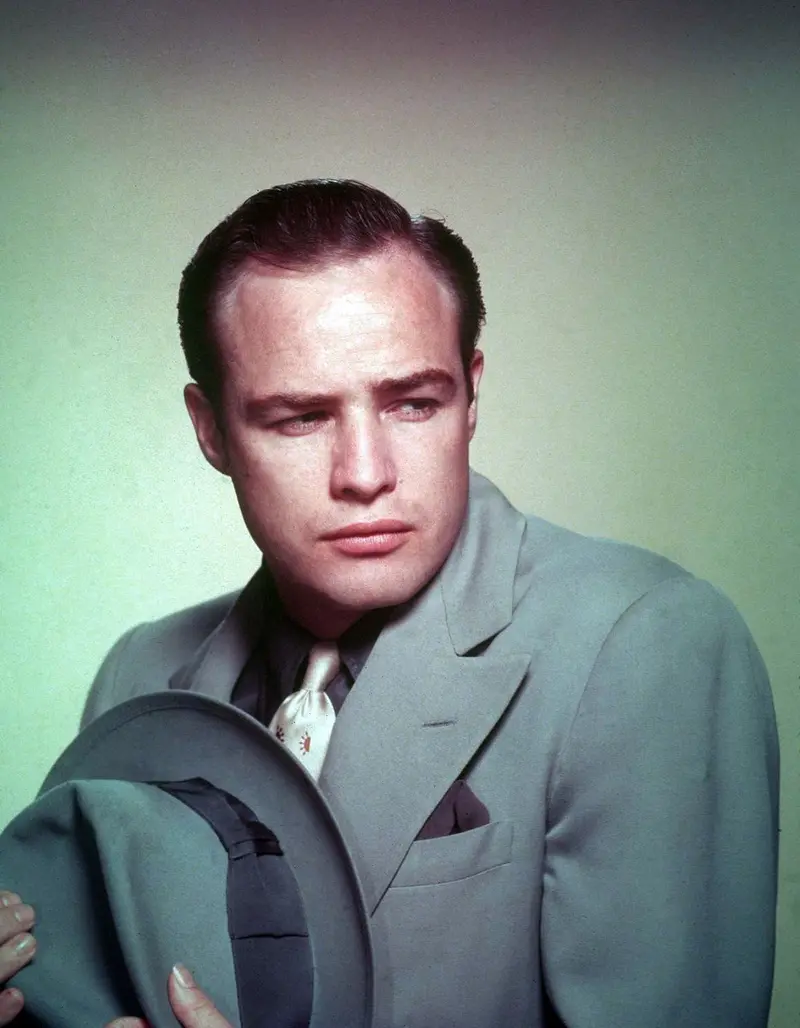
Joseph L. Mankiewicz 1955
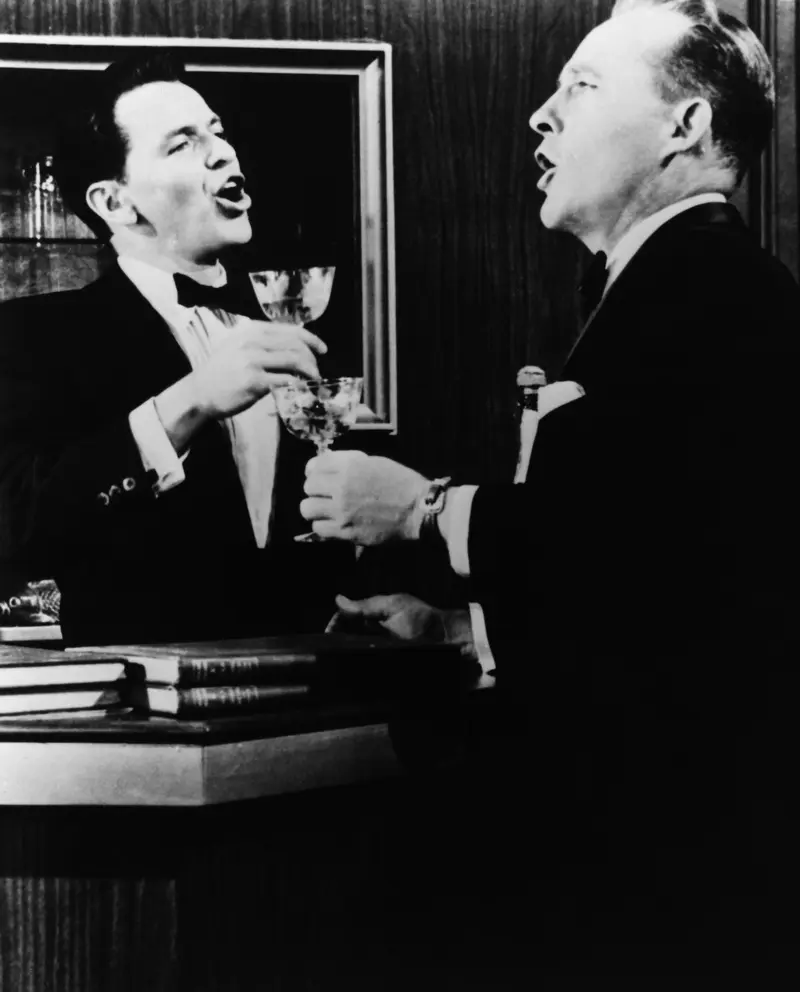
Charles Walters 1956
George Sidney 1957
We use Google Analytics to see which pages help. Allow it?