The Barefoot Contessa
Joseph L. Mankiewicz 1954
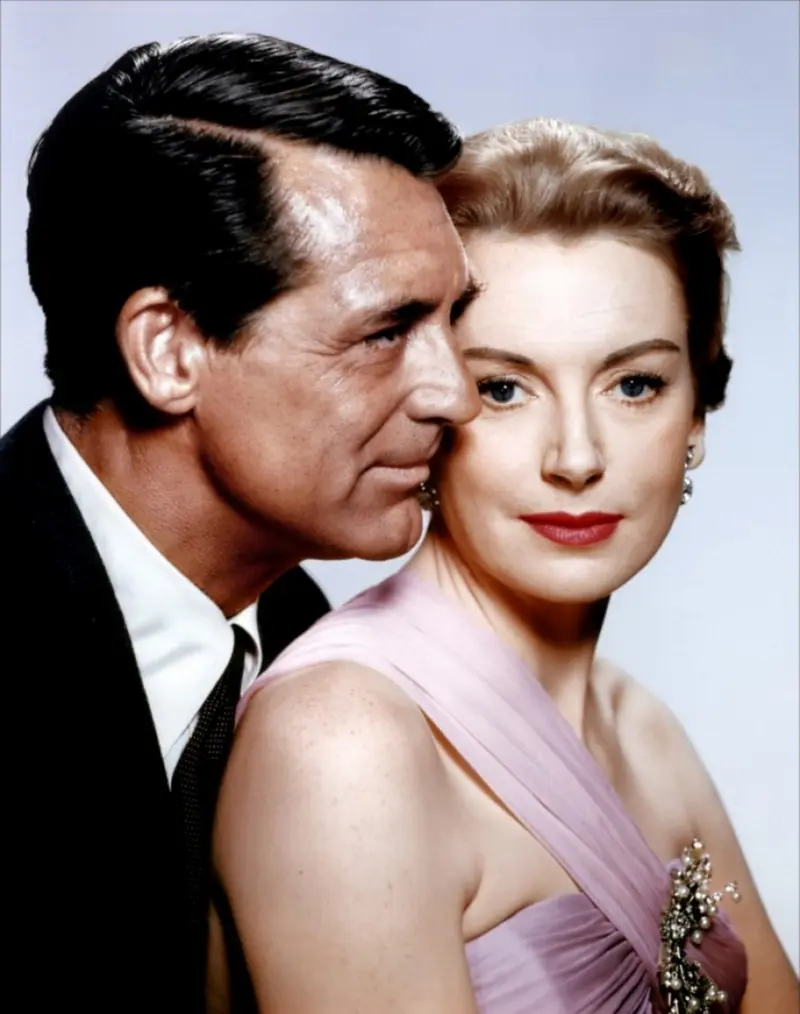
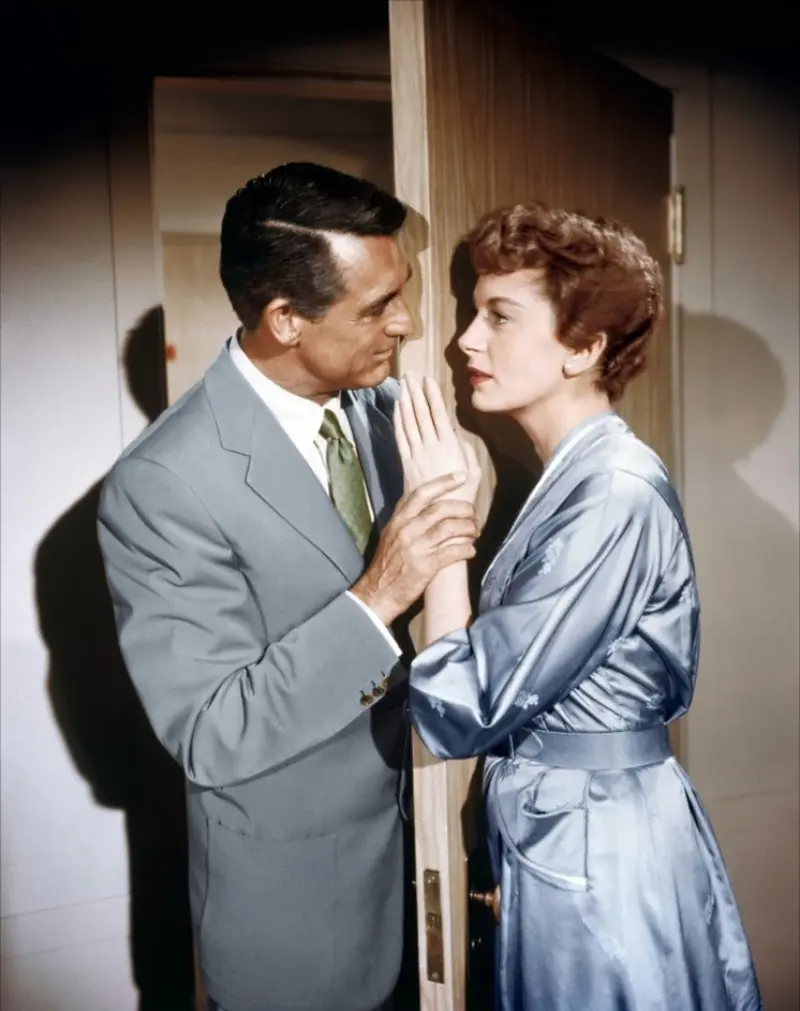
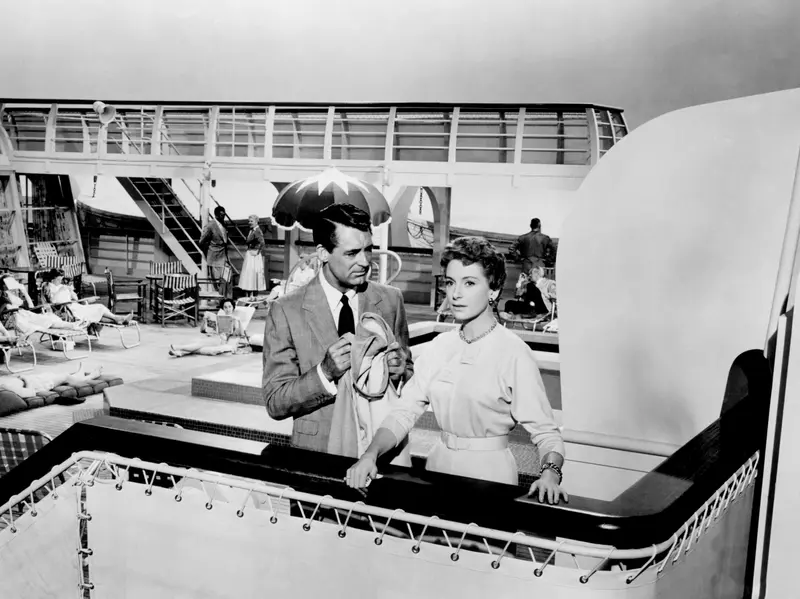
Cary Grant and Deborah Kerr play a playboy and a former nightclub singer who fall in love aboard a liner and agree to meet atop the Empire State Building in six months. Leo McCarey’s 1957 CinemaScope remake of his own Love Affair drew split reviews, and the American Film Institute ranked it fifth on its 100 Passions list.
Not listed on Amazon right now. Search Amazon for it.
Photo: DoctorMacro.com
In October 1958 Variety estimated that An Affair to Remember had earned $7 million worldwide. The film is a 1957 20th Century Fox romance directed by Leo McCarey, with Deborah Kerr as Terry McKay, Cary Grant as Nickie Ferrante and Richard Denning as Kenneth Bradley. Filmed in CinemaScope, it remakes Love Affair, the 1939 picture McCarey made with Charles Boyer and Irene Dunne. Wikipedia’s entry on Grant places the film toward the end of his career, among romantic pictures that include Operation Petticoat and Charade. The same entry records that he also appeared in The Pride and the Passion that year. Wikipedia’s entry on Kerr calls the film very popular, in a decade that also brought her From Here to Eternity.
The story turns on a pact: a meeting at the top of the Empire State Building in six months, if by then Terry and Nickie, a well-known playboy, have left their current relationships and begun new careers. What changes how she sees him is a stop at Villefranche-sur-Mer, the home of his grandmother Janou (Cathleen Nesbitt), during the crossing on the liner SS Constitution from Europe to New York, where the two meet while each is involved with someone else. The 1958 Films Incorporated catalog gave the remainder in one line: an accident stops the meeting, but “love finds a way” to reunite them.
Reviewers divided. Variety called it “a winning film,” while Bosley Crowther of The New York Times held that it goes wrong once the couple leave the ship.
Wikipedia’s entry on the film lists adaptations abroad, among them Bheegi Raat (1965) in India and İlk Aşk (1960) in Turkey. Warren Beatty and Annette Bening starred in a 1994 remake that went back to the title Love Affair. Katharine Hepburn, in her last screen appearance, played the hero’s aunt, a part that replaces the grandmother. Meg Ryan and Tom Hanks starred in Nora Ephron’s Sleepless in Seattle (1993), which took part of its inspiration from the film, its ending above all, and uses clips and the theme song.
Later judgments remain mixed. Grant’s biographer Richard Schickel counts it among the defining romances of its period, while remarking that Grant did not fully rise above its “gushing sentimentality.” Left off the AFI Top 100, it appeared on the 1998 list of the best American films not included there, drawn up by the Chicago Reader’s Jonathan Rosenbaum. The American Film Institute ranked it fifth on its 100 Passions list. Metacritic gives it 71 out of 100 from 14 critics, and Rotten Tomatoes counts 65% of 34 reviews as positive.
Two notices measured the picture against the 1939 original and reached opposite verdicts. The Philadelphia Inquirer recalled weeping over Dunne and Boyer 18 years before and called the new picture an “interminably extended version” of the original. Harrison’s Reports judged it “more enchanting and delightful than the original” and said the closing scenes could bring viewers to tears.
The Monthly Film Bulletin, in a generally positive notice, described “a lush slice of Hollywood romanticism” that follows the conventions of glossy magazine fiction. That reviewer also credited the script with “cutting rather deeper” and praised the brisk development of the relationship between the two leads. The New Yorker’s John McCarten found the actors “tolerable” and the film “awfully maudlin.” Variety took the other side, calling the romance “never maudlin” and “wholly believable,” and predicting “an ideal women’s picture.”
The Washington Post’s Richard L. Coe wrote that amusing early reels turn “unbelievably foolish.” Crowther, in The New York Times, reached the same conclusion at greater length, allowing the early scenes “plenty of humorous conversation” and then objecting to the plot that follows. He called Terry’s silence about her accident “absurd,” the couple’s pact “ridiculously childish,” and Nickie’s slowness in grasping the truth “just too thick.”
An NBC press release dated March 13, 1958, previewed the 30th Academy Awards broadcast of March 26, on which Vic Damone was to sing the nominated song. NBC’s rundown of the program lists the film among the nominees for music scoring, for Milton Krasner’s cinematography, and for best song, the last credited to McCarey, Harold Adamson and Harry Warren. The broadcast was also to include a fashion show with stars as models. Dana Wynter was to wear a gown by Charles Le Maire from the film, in a lineup that also showed costumes from Funny Face and Pal Joey. Robert Ryan and Wendell Corey were to serve as commentators.
A Canadian Film Weekly item of May 1, 1957, reported that Jerry Wald, who had recently set up his own independent company, would make 18 films for 20th-Fox. The paper named An Affair to Remember among seven that it said should be shooting before 1957 was out, all of them in CinemaScope. It listed this title in De Luxe Color, with Grant and Kerr starring and McCarey directing. The same list carried Kiss Them for Me, with Grant and Jayne Mansfield under Stanley Donen. Wikipedia’s entry on the film gives April 1957 as the end of a shoot that began in February, and the May item does not say whether shooting had finished.
The 1958 Films Incorporated catalog supplement offered the picture on 16mm in its wide-screen section, for which a special lens was required, in color at 114 minutes. Its copy described “a charming playboy-artist” and “a lovely ex-night club singer” who decide to test their love by waiting six months. The same section listed Kerr in The King and I and Tea and Sympathy, Grant in Kiss Them for Me, and Ava Gardner in The Sun Also Rises.
Avon Books issued a paperback novelization before the release under the byline Owen Aherne, a pseudonym of the novelist R.V. Cassill. Competing recordings of the song came from Machito on Tico and Carmen Cavallaro on Decca, among others. Marni Nixon dubbed Kerr’s singing, and Damone sang the theme over the opening credits.
McCarey reused the screenplay by Donald Ogden Stewart and Delmer Daves, and the remake follows the 1939 film closely, scene by scene. Stewart went uncredited because he had been blacklisted. Wikipedia’s entry on the film says Grant was reportedly grumpy during the shoot because hypnotherapy with his wife had turned him against smoking, and that he had an operation during production for a forehead lump left by a childhood injury. The entry on Grant dates his quitting through hypnotherapy to the early 1950s, so the two entries do not line up on the timing.
The entry on the film reports that plans for a remake were first announced in 1952, with Arlene Dahl and Fernando Lamas attached. It traces Grant’s interest to The Awful Truth, where he first worked with McCarey and at first disliked the director’s improvising. By this account he came to wish he had been in Love Affair, often visited its set, and years later talked McCarey into making it again with himself in the Boyer part. Wikipedia’s entry on Grant tells the earlier friction from the other side, saying McCarey reportedly disliked Grant for mimicking his mannerisms in the film, yet encouraged him to improvise. McCarey later complained that Hollywood pictures were hunting for “a trick way” to declare love, which he called “the oldest and noblest emotion.”
Yes. It remakes Love Affair, the 1939 picture Leo McCarey made with Irene Dunne and Charles Boyer, and McCarey reused the earlier screenplay. Harrison’s Reports judged the new version “more enchanting and delightful than the original,” while The Philadelphia Inquirer called it an “interminably extended version.”
Yes, at least in part. The British Film Institute names it among its “50 great Christmas films currently streaming,” and the closing scenes, when Nickie pays Terry a surprise visit, take place on Christmas Eve.
Yes, by its later scores, though critics disagreed in its own day. Rotten Tomatoes counts 65% of 34 reviews as positive and Metacritic gives it 71 out of 100. Variety called it “a winning film,” while Bosley Crowther of The New York Times found the couple’s pact “ridiculously childish.”
Joseph L. Mankiewicz 1954
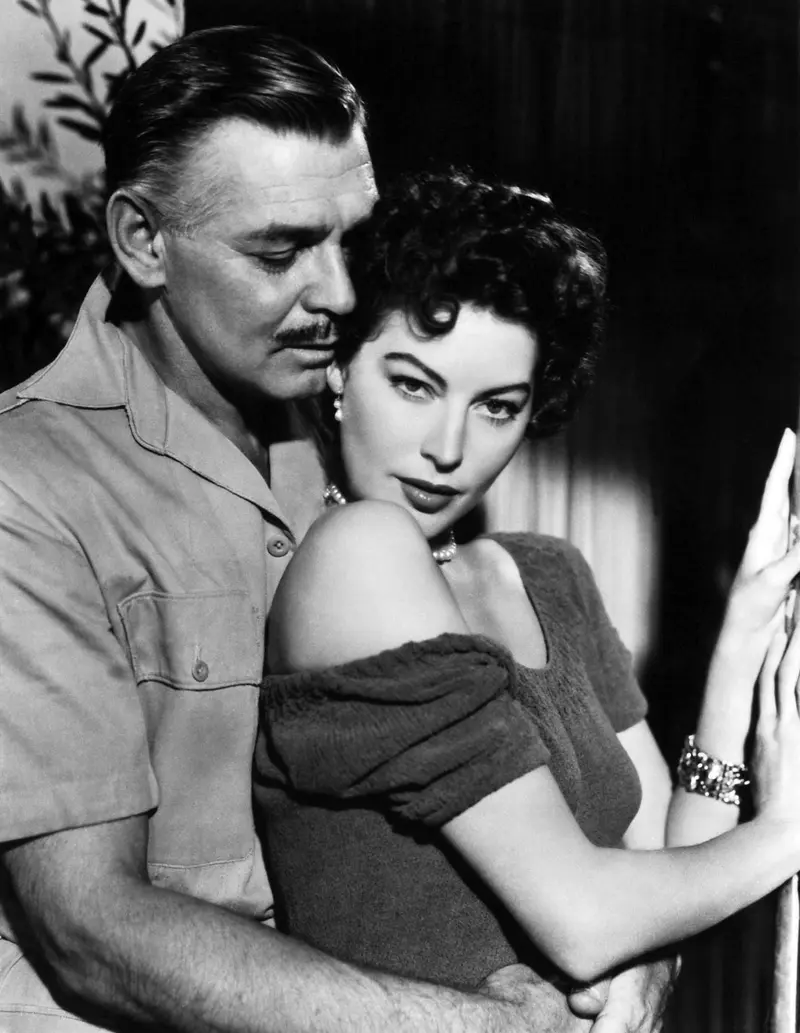
John Ford 1953
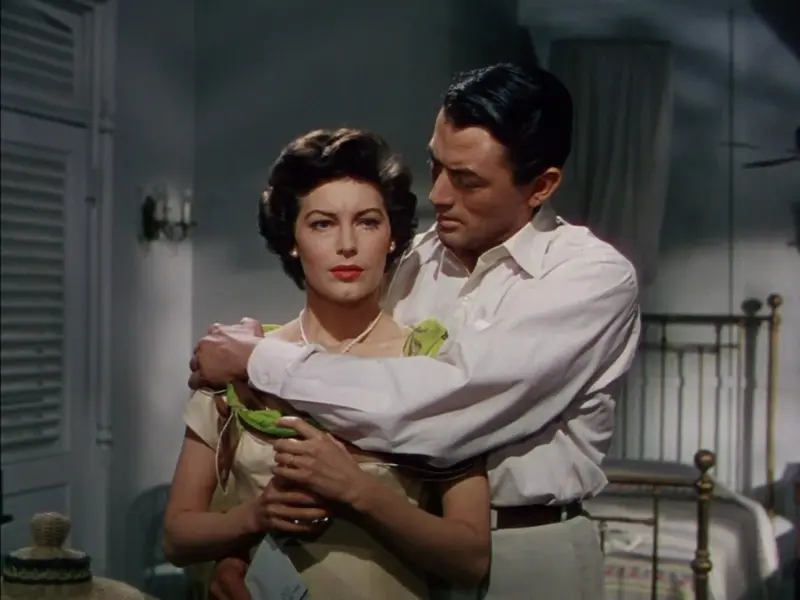
Henry King 1952
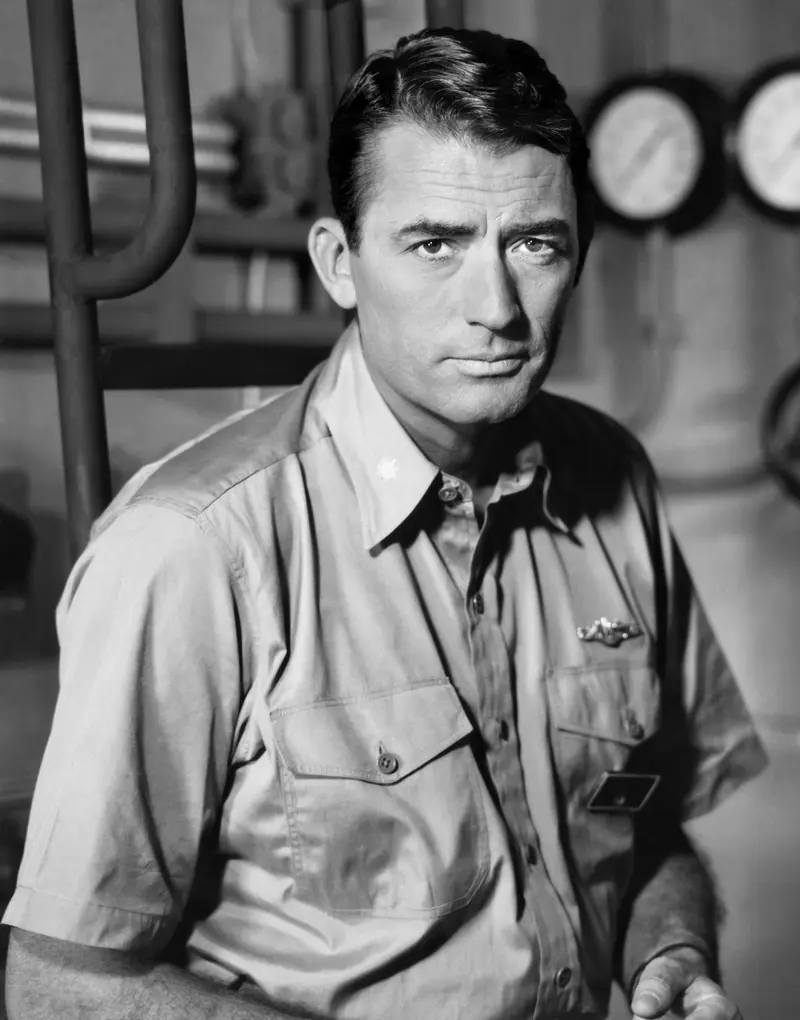
Stanley Kramer 1959
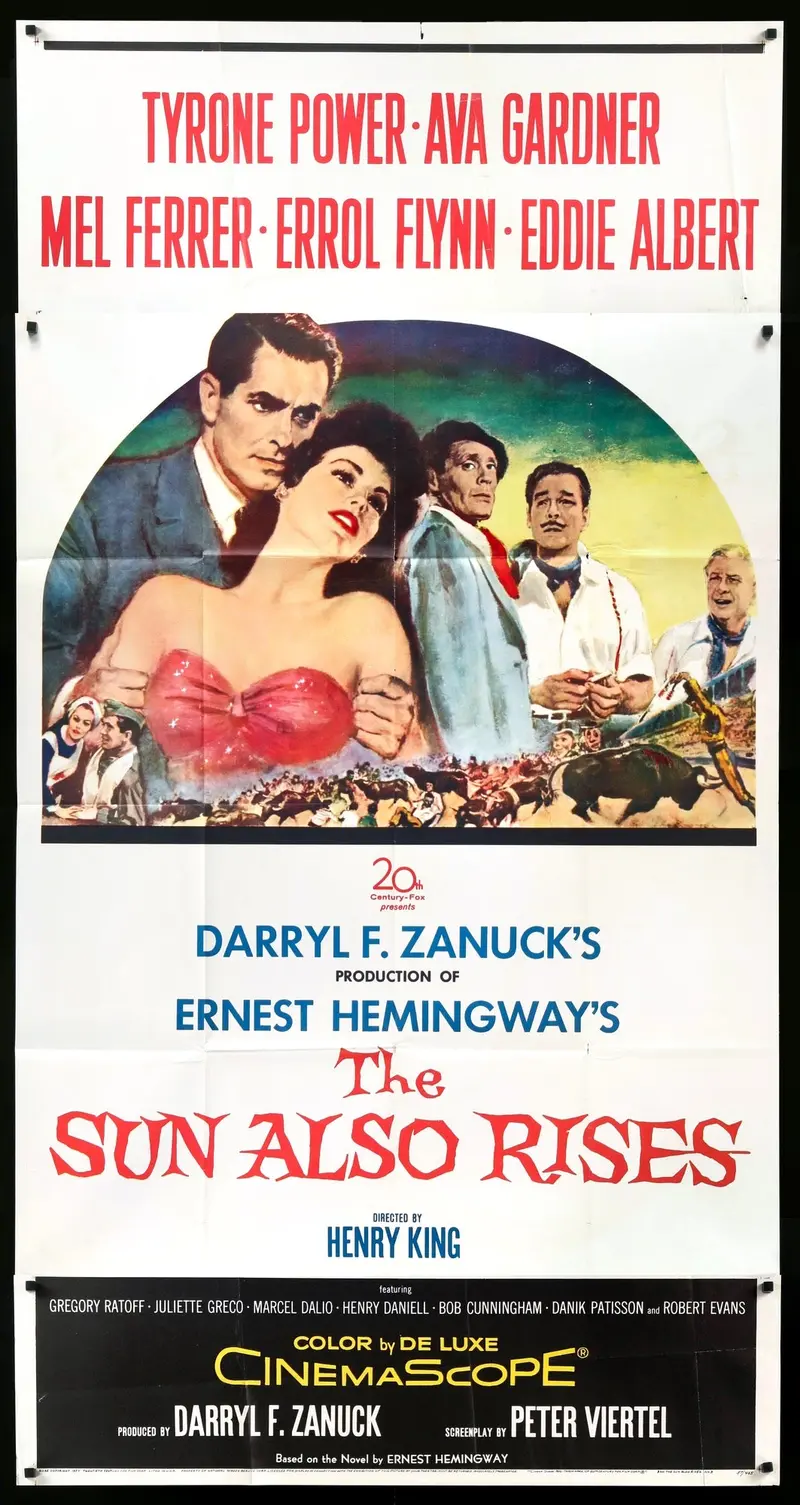
Henry King 1957
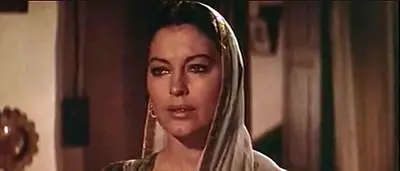
George Cukor 1956
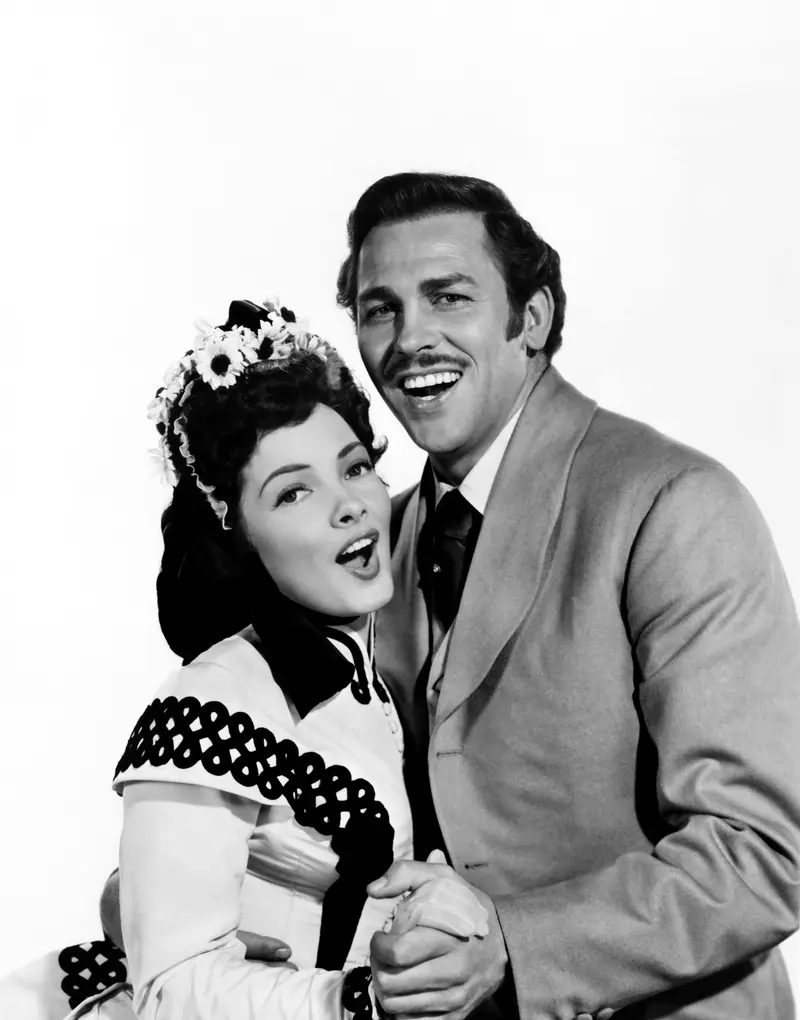
George Sidney 1951
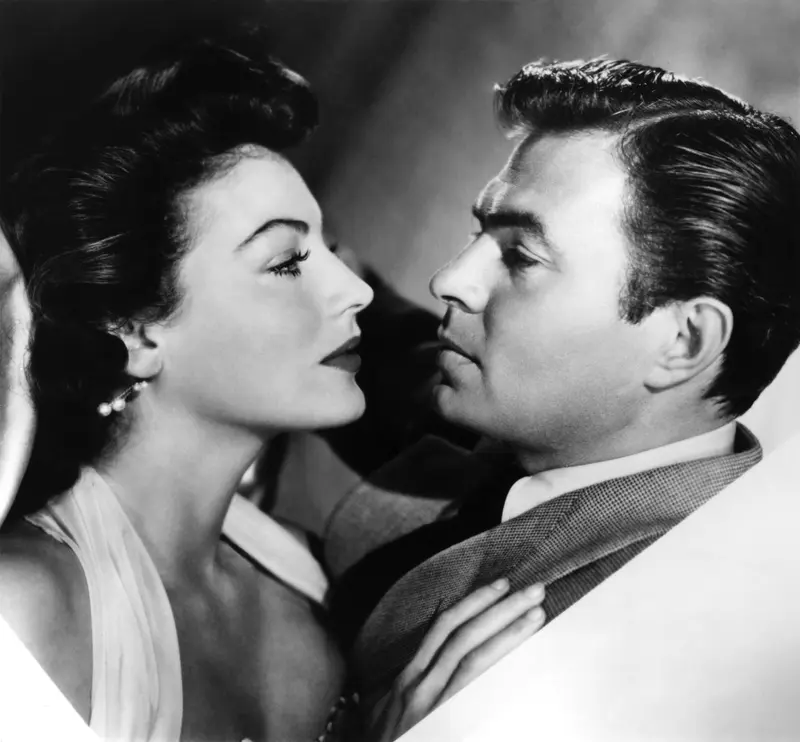
Albert Lewin 1951
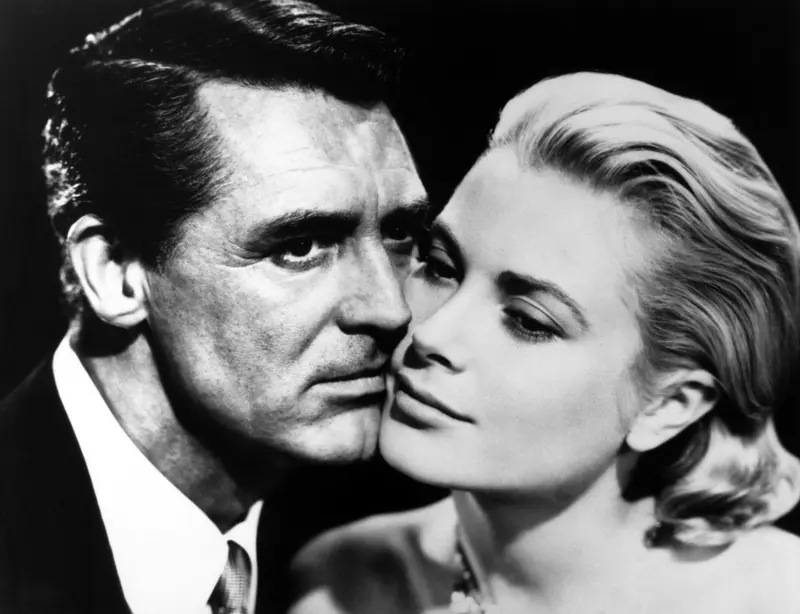
Alfred Hitchcock 1955
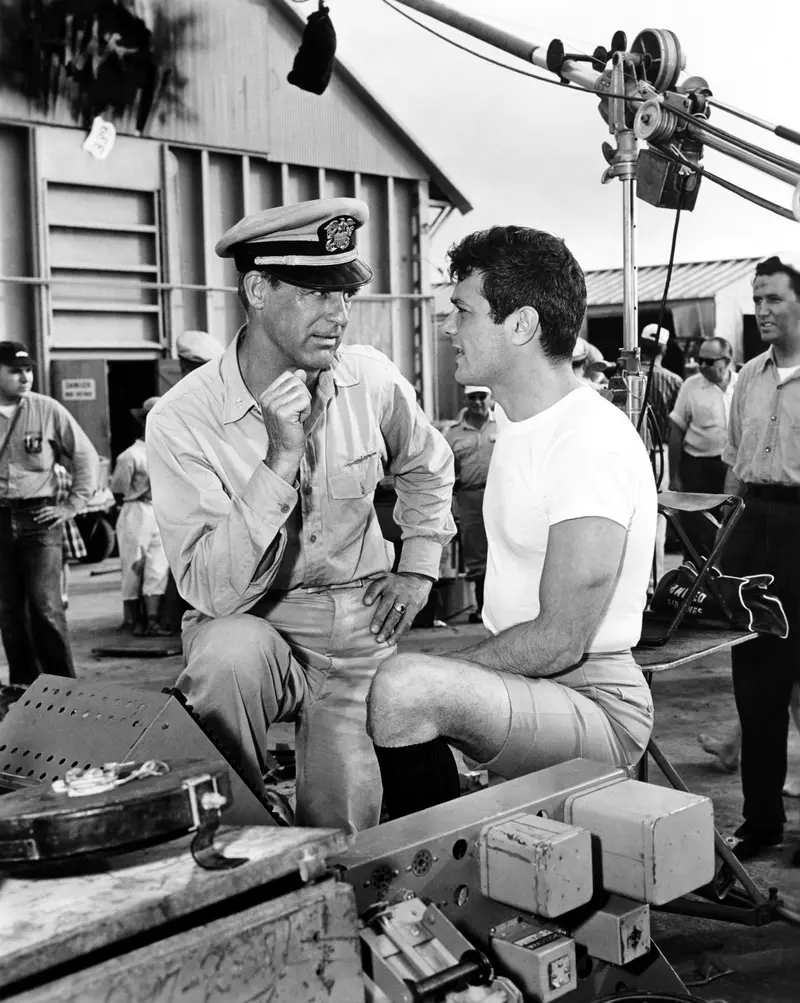
Blake Edwards 1959
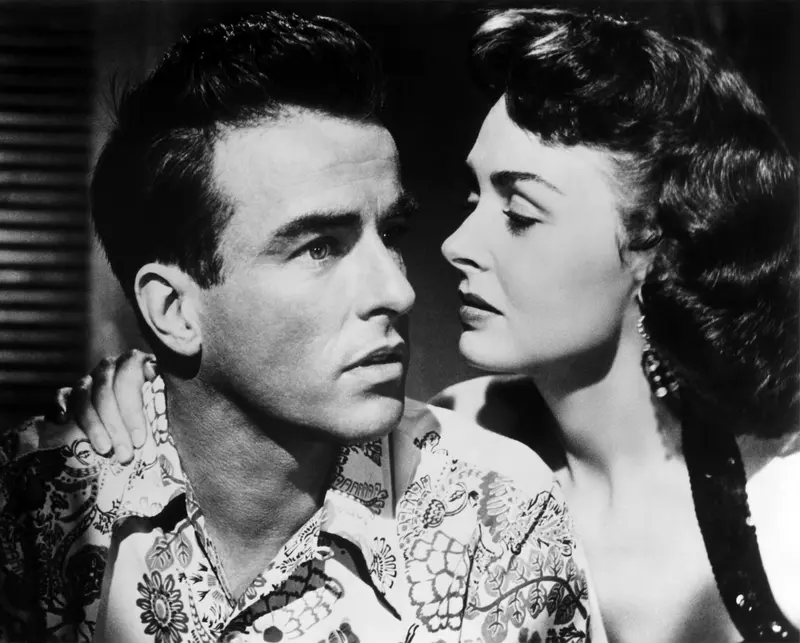
Fred Zinnemann 1953
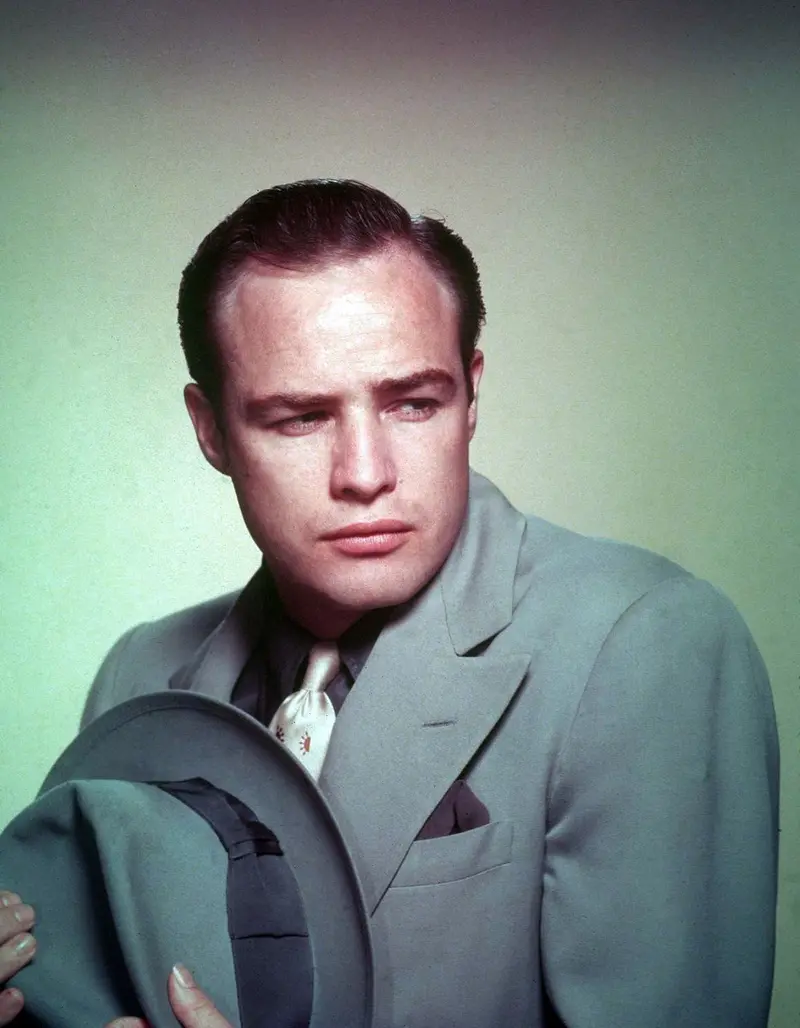
Joseph L. Mankiewicz 1955
We use Google Analytics to see which pages help. Allow it?