Star profile
Why Grace Kelly Married Prince Rainier: Attraction, an Heir & Monaco's Future
Prince Rainier said openly that he had to marry and raise a family. Grace Kelly's reasons were less clear, and those close to her disagreed about whether love came into it.
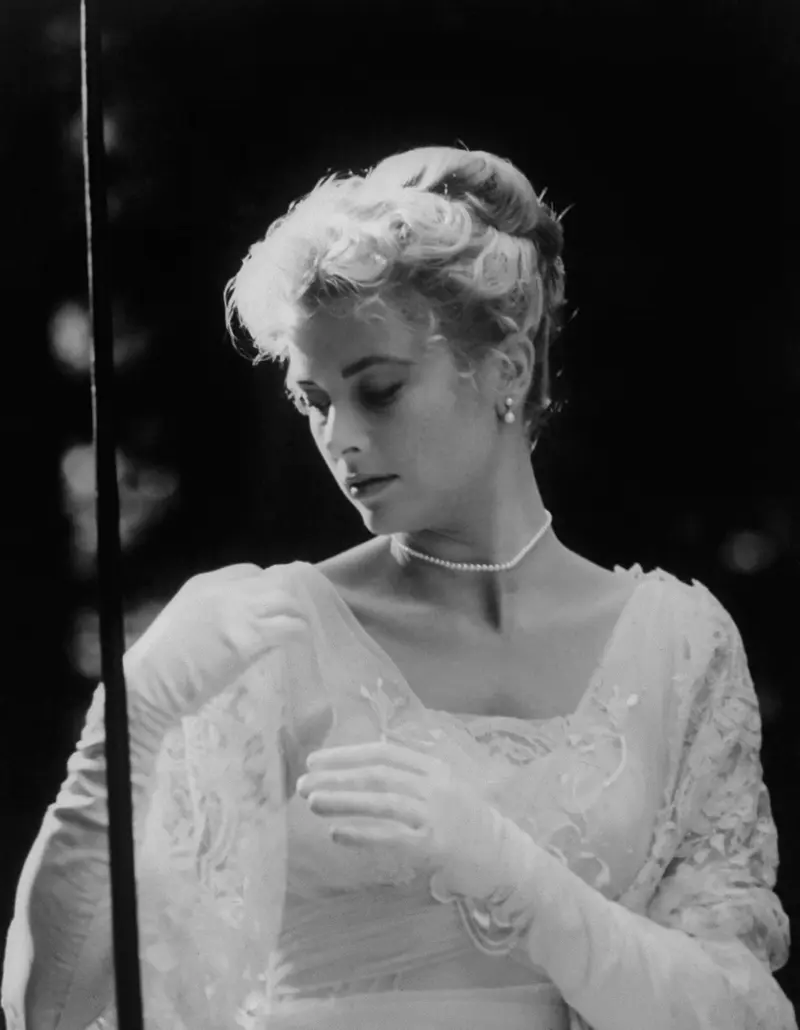
Photo: DoctorMacro.com
Why Did Kelly Accept the Prince of Monaco’s Proposal?
Those close to Grace Kelly disagreed about why she said yes so quickly. The best-supported answer is a sudden, strong attraction on both sides that met Prince Rainier’s urgent need for a wife and an heir. They met at his palace in Monaco on May 6, 1955, and he courted her from across the Atlantic for months. He proposed at her family’s Philadelphia home that year. They married in April 1956, and she retired from acting at 26.
Quick facts
- Couple: Grace Kelly and Prince Rainier III of Monaco
- First meeting: May 6, 1955, at the Prince’s Palace of Monaco
- Proposal: 1955, at 3901 Henry Avenue, Philadelphia
- Engagement announced: January 6, 1956, at a Philadelphia press conference
- Civil ceremony: April 18, 1956, in the Palace Throne Room
- Church ceremony: April 19, 1956, at Saint Nicholas Cathedral
- Children: Caroline (1957), Albert (1958), Stéphanie (1965)
Stardom and a Blocked Engagement
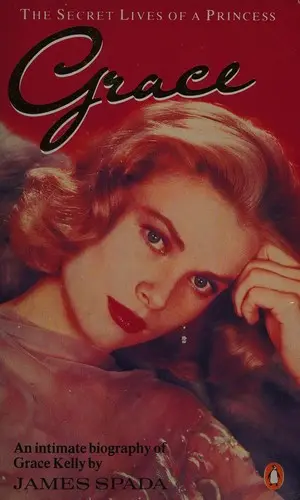
Kelly won the Academy Award for Best Actress for The Country Girl, and the Oscar made her a bigger draw. Canadian theater managers hurried to advertise the win that April. Her private life did not match her public image. James Spada writes in his biography Grace that Hollywood saw a chaste young woman who went out only with a chaperone. Her private affairs, he says, were the opposite.
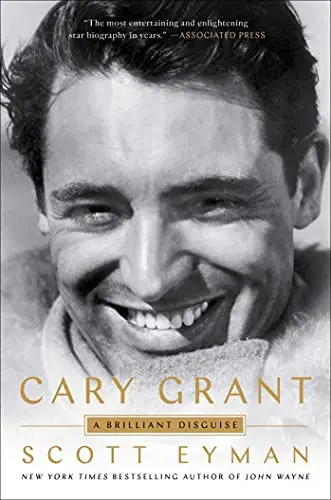
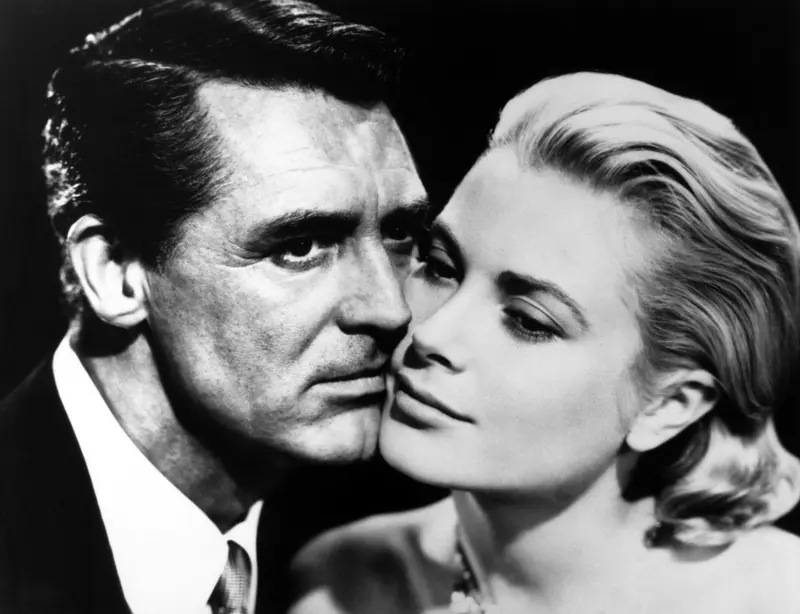
In 1954 she was engaged to Oleg Cassini. Scott Eyman writes in his biography of Cary Grant that she agreed to marry Cassini near the end of the To Catch a Thief shoot. Her parents refused to accept a twice-divorced man. One Sunday, Kelly and Cassini toured Monaco with the Grants and the Hitchcocks and peered through the palace gates at the gardens. The location work ended before she could go inside, though she would soon partly own those gardens as the prince’s wife, Eyman notes.
Cannes and the Palace, Spring 1955
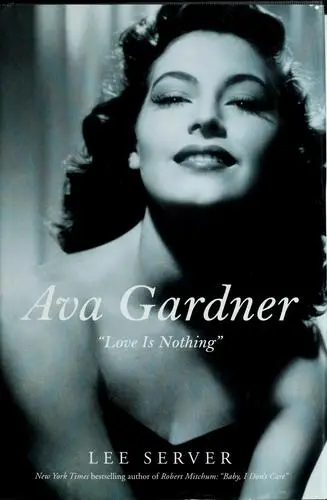
Accounts of her trip to Cannes differ. Victoria Amador, in her life of Olivia de Havilland, writes that Kelly preferred New York until she learned that her new romantic interest, Jean-Pierre Aumont, had business in Cannes and Paris. Lee Server credits Ava Gardner, who introduced Kelly to journalist Rupert Allan at her London flat. Allan then got her to the festival, he writes.
The meeting began as a magazine idea. Gaston Bonheur, managing editor of Paris Match, asked de Havilland’s husband, Galante, to set up pictures of Kelly with the prince. Kelly agreed, subject to MGM’s approval. De Havilland recalled that a photographed “first” meeting on a station platform was staged for her and Kelly, and she disliked it as “contrived.”
At the palace, Galante remembered the pair as absorbed in each other. “We felt like indiscreet onlookers,” he recalled in Spada’s account. Rainier found her refined, quiet and even shy, and he said he hoped to see her during a possible trip to the United States. Asked on the way back what she thought of him, Kelly answered, “He is charming.”
That evening Rainier spoke with Father Francis Tucker, his spiritual adviser, who knew Jack Kelly and had already considered Grace a suitable match. “I’ve met the one,” the prince told him, according to Spada. In 1976 Rainier told Paris Match that he decided one evening that spring to travel to America and ask her father for permission to marry her.
Courtship During The Swan
The press, meanwhile, was chasing a different story. Kelly’s Cannes trip set off a furor of speculation about her love life, Spada writes, and it had nothing to do with Rainier. Soon after she returned home, and all through the filming of The Swan, the prince pursued her by mail, telephone and envoy. De Havilland recalled a priest visiting the Kelly family as his emissary.
New articles by email
An occasional email when a new article is out. No spam, unsubscribe any time.
Thanks. You are on the list.
A person on the set saw her staring into space and asked whether she felt all right. Spada says she was imagining life as Princess of Monaco. Rainier hoped to visit the set on his arrival in the United States, with Look magazine photographers along. That proved impossible, so the reunion was set for Christmas Day at the Kelly home.
By then Kelly knew he meant to ask, and she knew she might accept. Spada describes the prospect as both thrilling and frightening to her. “I almost didn’t go home for Christmas,” she admitted years later. She had decided against going, she said, yet she bought a plane ticket anyway. “I can’t remember how it happened,” she added.
The Proposal and the Conditions
Spada calls the two “dizzily infatuated” within hours of their reunion, and Rainier proposed at the Kelly house. Her mother was ecstatic. “Here I am a bricklayer’s wife,” she told a reporter, delighted that her daughter was marrying a prince. Yet Rainier’s taking a wife was a matter of state, and hurdles had to be cleared before any announcement.
Rainier had told Collier’s that he was alert to the “political implications of my bachelorhood.” His advisers needed medical assurance that Kelly could bear an heir to the throne, and he would not have been allowed to marry her otherwise. Only after plotting, money talks, questioning and a medical test were the plans final, Spada writes, despite the public story of whirlwind love.
They announced the engagement at a tumultuous press conference in Philadelphia on January 6, 1956. Newspapers around the world kept the couple on their front pages for weeks. The New York Daily News reported an “international fog” of conflicting word on where the wedding would be held. Kelly’s mother called one report of a Monaco ceremony a misunderstanding.
Love or Arrangement
Those who knew her did not agree on what the match was. Years later, her sister Peggy was quoted calling the marriage “arranged.” Spada answers that the Christmas reunion in Philadelphia could not have happened any other way, and that the steps behind the scenes came from the prince’s position. In his view they do not suggest a lack of romance.
Lizanne, quoted by Spada, went further than Peggy. “I don’t think Grace was in love,” she said. She added that Kelly had loved other men more and had not had the time to fall in love, though there was great attraction between the two. Beyond that, Lizanne said, she did not know why Kelly decided so quickly.
Server offers a colder motive on Rainier’s side. He writes that the prince had been advised to choose a high-profile American, for good publicity and U.S. investment in Monaco. At a lunch at MGM in the prince’s honor, Dore Schary rudely pointed out that all of Monaco was smaller than the studio’s back lot.
The Wedding and the Marriage
The civil ceremony lasted 16 minutes, and the church service followed the next day. MGM’s Helen Rose designed the dress, which three dozen dress makers worked on for 6 weeks. An estimated 30 million or more television viewers watched, and biographer Robert Lacey wrote in 2010 of “media overkill.” Server writes that the ceremony was filmed in 35mm color under contract to MGM.
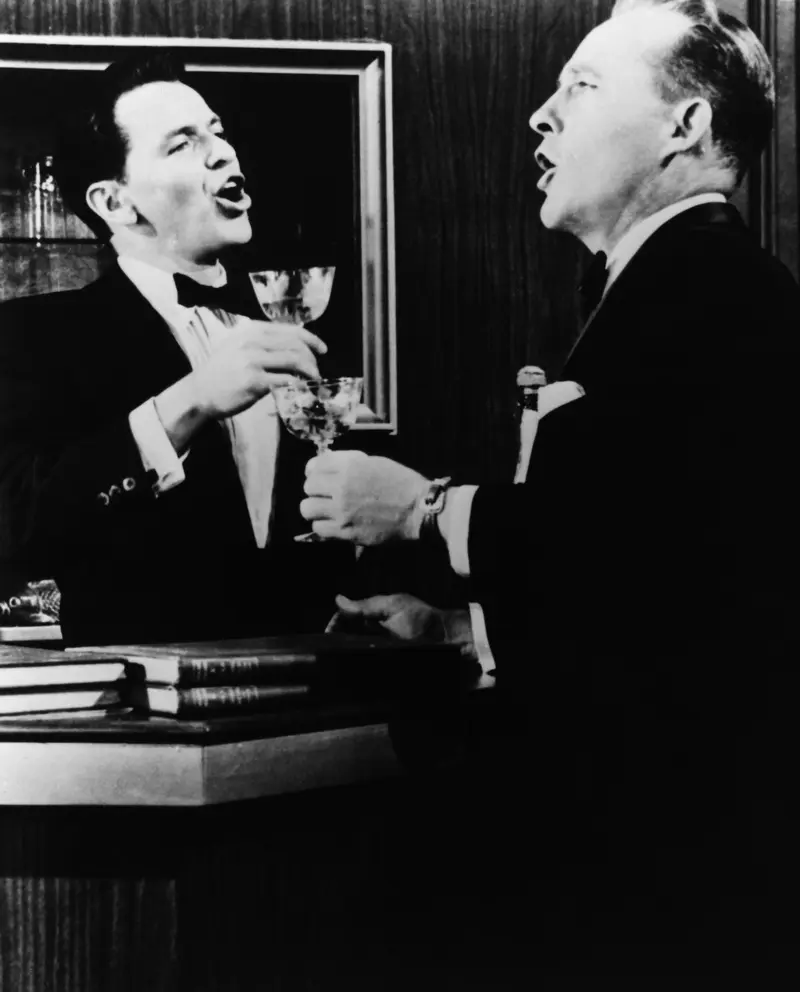
Few Hollywood names made the guest list. Eyman says Grant, Frank Sinatra and Rita Gam were the only Hollywood people invited, while Server places Gloria Swanson and Gardner in the crowd, alongside Aristotle Onassis and Somerset Maugham. Kelly’s final Hollywood role, in High Society, reached theaters that July, and she did not resume her acting career during the marriage.
In 1962, Alfred Hitchcock offered her the lead in Marnie. Public outcry in Monaco followed, and Patrick McGilligan writes that MGM also noticed her unfulfilled contract. “It was heartbreaking for me,” she wrote to Hitchcock when she withdrew. Spada adds that she hid a struggle for acceptance in Monaco, along with loneliness, creative frustration and marital difficulties.
She was Princess of Monaco for 26 years. On September 13, 1982, Kelly suffered a cerebral hemorrhage while driving back from Roc Agel with Stéphanie, and the car left a winding mountain road. She died the next day, at 52. Rainier did not remarry, and he was buried beside her after his death in 2005.
Her years in Monaco after the movies, and the 1982 crash that ended them, are told in What Happened to Grace Kelly.
Read next
Star profile / Grace Kelly
What Happened to Grace Kelly: Hollywood, Marriage to Prince Rainier & the 1982 Car Crash
Grace Kelly won an Oscar, gave up acting at 26 to become Princess of Monaco, lost a comeback in Hitchcock’s Marnie, and died at 52 after a cerebral hemorrhage at the wheel in 1982.
Continue readingQuick answers
How did Grace Kelly die?
Grace Kelly died of injuries from a car crash after a cerebral hemorrhage at the wheel. It struck on September 13, 1982, as she drove back to Monaco from Roc Agel with her daughter Stéphanie, and the car left a winding mountain road. She died in the hospital on September 14, at 52.
What happened to Grace Kelly?
Grace Kelly left Hollywood at 26 to become Princess of Monaco and did not resume her acting career during the marriage. She had three children, did charity work focused on children and the arts, and withdrew from Hitchcock’s Marnie. She died in September 1982 after a car crash.
The full story is more complicated: What Happened to Grace Kelly: Hollywood, Marriage to Prince Rainier & the 1982 Car Crash
How did Grace Kelly meet prince rainier?
Grace Kelly met Prince Rainier at a photo session at his palace in Monaco on May 6, 1955, during her trip to the Cannes Film Festival. Paris Match wanted the pictures, and Olivia de Havilland’s husband, Galante, arranged the appointment.
In this article
Grace
James Spada, Grace Kelly · 1987
Get the book
Ava Gardner
Lee Server · 2006
Get the book
Cary Grant
Scott Eyman · 2020
Get the book
The Swan
Charles Vidor 1956
Watch it
Not listed on Amazon right now. Search Amazon for it.
To Catch a Thief
Alfred Hitchcock 1955
Watch it
Not listed on Amazon right now. Search Amazon for it.
The Country Girl
George Seaton 1954
Watch it
Not listed on Amazon right now. Search Amazon for it.
High Society
Charles Walters 1956
Watch it
Sources
- Grace by James Spada, Grace Kelly (1987)
- Ava Gardner by Lee Server (2006)
- Cary Grant by Scott Eyman (2020)
- Olivia de Havilland: Lady Triumphant by Victoria Amador
- Alfred Hitchcock: A Life in Darkness and Light by Patrick McGilligan
- Canadian Moving Picture Digest (Apr 9, 1955), page 6, Canadian Moving Picture Digest, accessed 2026-11-06
- Ballyhoo (Apr 11, 1955) Ontario 'B' District, page 12, Ballyhoo, accessed 2026-11-06
- Death of Princess Grace, British Council, accessed 2026-11-06
- Google Books record for Grace Kelly: The Secret Life of a Princess, Google Books, accessed 2026-11-06
- Grace Kelly, Wikipedia, accessed 2026-11-06
Photo credits
- Grace Kelly in a still from The Swan (1956). Photo: DoctorMacro.com