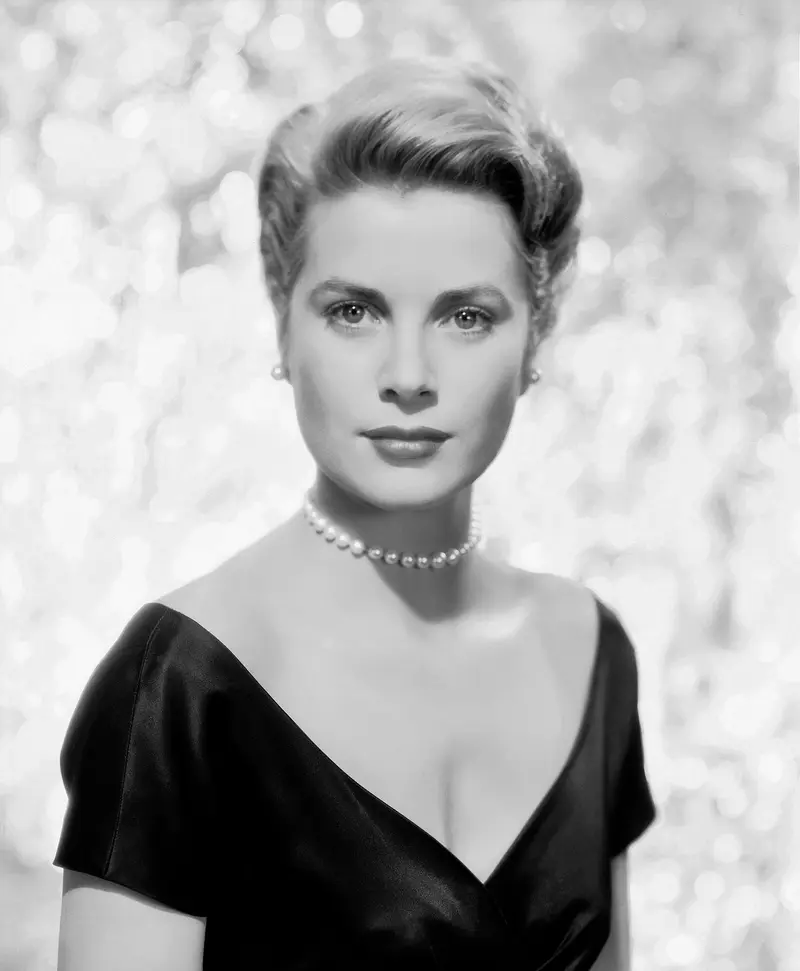
Star profile
What Happened to Grace Kelly: Hollywood, Marriage to Prince Rainier & the 1982 Car Crash
Grace Kelly won an Oscar, gave up acting at 26 to become Princess of Monaco, lost a comeback in Hitchcock's Marnie, and died at 52 after a cerebral hemorrhage at the wheel in 1982.
Photo: DoctorMacro.com
What Happened to Grace Kelly?
Grace Kelly won the Academy Award for Best Actress for The Country Girl, then retired from acting at 26 to marry Prince Rainier III of Monaco in April 1956. She spent the next 26 years as Princess Grace, raising three children and building charity and arts foundations. On September 13, 1982, a mild cerebral hemorrhage struck while she was driving, and her car fell 100 feet down a mountainside. She died the following night at Monaco Hospital, at age 52.
Quick facts
- Born: November 12, 1929, in Philadelphia
- Film debut: Fourteen Hours (1951)
- Oscar: Best Actress, The Country Girl (1954)
- Husband: Prince Rainier III of Monaco
- Wedding: April 18, 1956 (civil) and April 19, 1956 (church), in Monaco
- Children: Princess Caroline, Prince Albert, Princess Stéphanie
- Died: September 14, 1982, at Monaco Hospital, age 52
- Burial: Grimaldi family vault, Monaco
Early Life in Philadelphia
Grace Patricia Kelly grew up in a Catholic family in Philadelphia. Her father, John B. Kelly Sr., was a three-time Olympic gold medalist in sculling and owned a brickwork contracting company. Biographer Jane Ellen Wayne writes in Gable’s Women that he started as a bricklayer and borrowed $7,000 to set up on his own, and that the family was not eligible for the Social Register.
Bennington College rejected Kelly in July 1947 because of low mathematics scores, and she decided to become an actress anyway. Her father disliked the choice, since he ranked acting only slightly above streetwalking. Her uncle, the dramatist George Kelly, helped her into the American Academy of Dramatic Arts in New York, and at her father’s insistence she lived at the Barbizon Hotel for Women.
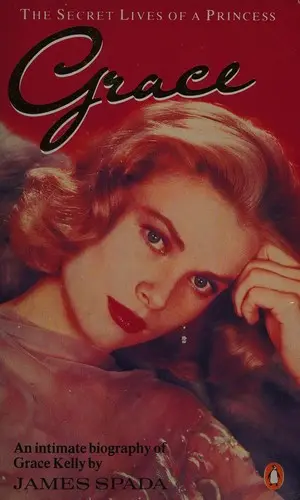
She also took modeling work, though Wayne reports she would not pose for lingerie ads or display her legs. James Spada’s biography Grace Kelly records her verdict on a television cigarette commercial. “I was terrible,” she said, adding that anyone watching her pitch Old Golds “would have switched to Camels.” Classmate Mary Woolverton told Spada she found Kelly beautiful but rather cold, and expected her looks alone to carry her.
Hollywood and the Oscar
Director Henry Hathaway, impressed by her work in The Father, gave her a small role in Fourteen Hours (1951). Spada writes that the film disappointed financially, but her earnings bought a mink coat. A young girl in Oregon started a fan club and wrote weekly with new members, and Kelly cheered one update: “We’ve got a new girl in Washington!”
Producer Stanley Kramer offered her the role opposite Gary Cooper in High Noon (1952). The critics were unexcited, and Alfred Hitchcock later said the performance lacked animation. She returned to New York for private acting lessons, wanting to be taken seriously.
Director John Ford noticed her in a screen test, and she received a seven-year MGM contract at $850 a week. She told columnist Hedda Hopper that Mogambo appealed for Ford, for Clark Gable and for “a trip to Africa, with expenses paid.” The 1953 film brought her a Golden Globe and her first Oscar nomination, for Best Supporting Actress.
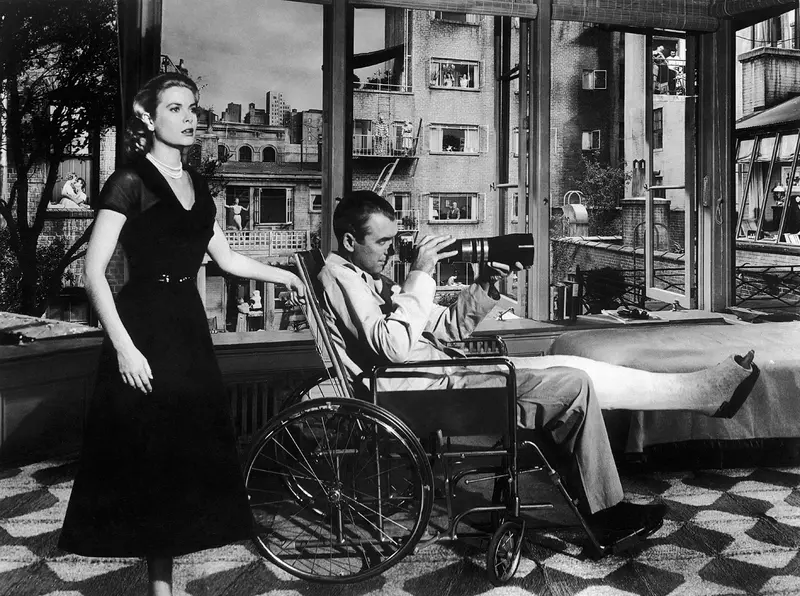
MGM lent her to Hitchcock for several films, including Dial M for Murder and Rear Window. James Stewart, her co-star, told USA Today in 1987 that he was “absolutely smitten,” biographer Marc Eliot reports.
To get The Country Girl, Kelly threatened to leave for New York for good, and MGM relented. Her Oscar paid off at once for exhibitors. The Canadian Moving Picture Digest reported on April 9, 1955, that business at Ottawa’s Capitol Theatre surged on the news.
Her private life drew attention too. Spada writes that gossip about Kelly and actor Ray Milland grew so fierce that her studio and Warner Brothers feared for her career, and her mother flew to Hollywood to persuade her to drop him. Robert Slatzer told Spada the studios paid off journalists “to keep her image pure.”
New articles by email
An occasional email when a new article is out. No spam, unsubscribe any time.
Thanks. You are on the list.
Prince Rainier and the Wedding
In April 1955 Kelly led the American delegation to the Cannes festival and was asked to pose for photographs with Rainier at his palace. After delays, she met him there on May 6, 1955. Their year-long courtship has been described as involving cool assessment on both sides, and Rainier proposed at her family home in Philadelphia in 1955.
Spada describes a shock when she reached the West Coast for one production. Her mother had given interviews to reporter Richard Gehman for a ten-day series from Hearst’s King Syndicate. It named Gable, Crosby, Milland, Oleg Cassini and Jean-Pierre Aumont, and three segments covered Rainier’s courtship.
Monaco’s legal code and Catholic law required two ceremonies. The 16-minute civil service took place in the Palace Throne Room on April 18, 1956, and her 142 new titles were read aloud. The next day’s church service at Saint Nicholas Cathedral drew an estimated 30 million television viewers. MGM’s Helen Rose designed the dress, which took three dozen dress makers six weeks.
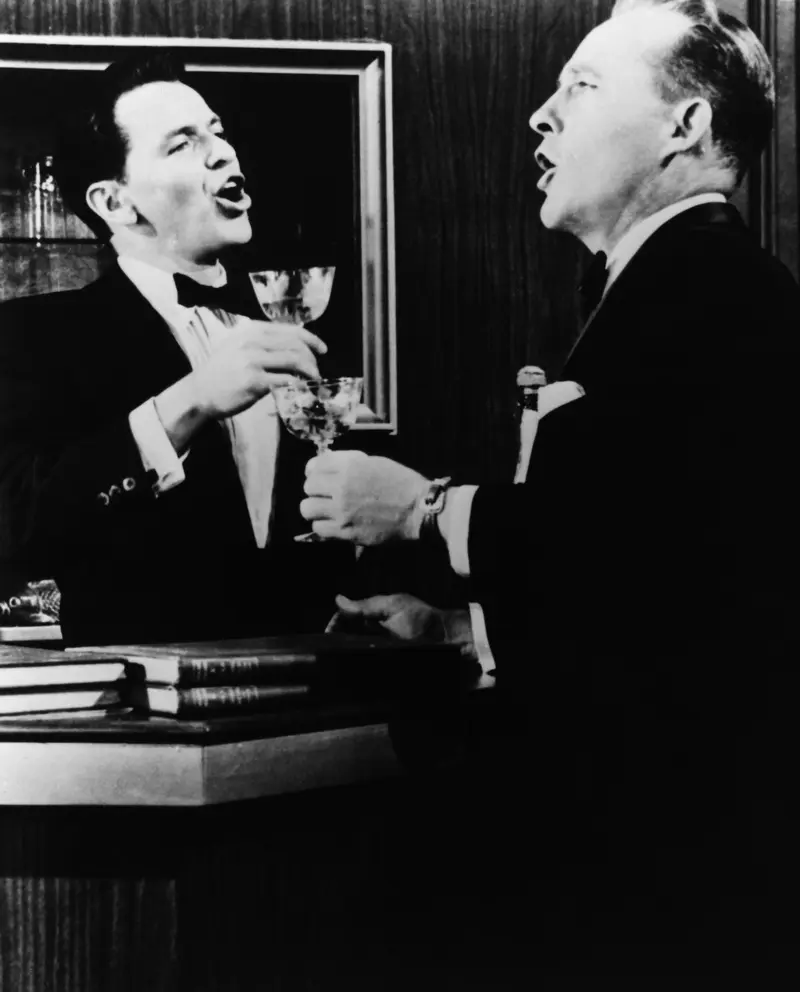
The couple sailed that night on the prince’s yacht for a seven-week honeymoon in the Mediterranean. High Society, her final acting role, opened in July 1956, and Variety judged it possibly the most relaxed work she had done.
Princess of Monaco
Caroline was born on January 23, 1957, Albert, the heir, on March 14, 1958, and Stéphanie on February 1, 1965. Grace led Monaco’s Red Cross, founded the Princess Grace Foundation in 1964 for local artisans, and started the children’s organization AMADE Mondiale. In 1975 she helped found the Princess Grace Academy, the Monte Carlo Ballet’s school.
Hitchcock offered her the lead in Marnie in 1962, and she was eager. Public outcry in Monaco followed, because the character was a kleptomaniac. Patrick McGilligan writes in his Hitchcock biography that MGM also stirred, since she still owed the studio films. Rainier’s aide Georges Lukamoski said that by early June she was shut in her room and close to a breakdown.
“It was heartbreaking for me,” she wrote to Hitchcock when she withdrew. McGilligan credits his reply with tact: “After all, it was only a movie.” Rainier later dismissed the idea of a part in Herbert Ross’s The Turning Point (1977).
She found other outlets. In 1976 she took a seat on the board of 20th Century-Fox, among its first women members. Narrating the documentary The Children of Theatre Street (1977) was her final film role. In the early 1980s a bed linen line with Springmaid earned her more than $1 million in royalties, which she gave to charity.
The Crash and the Funeral
On September 13, 1982, she was driving from her country home at Roc Agel toward Monaco when the hemorrhage struck. She lost control of the 1972 Rover, which left the steep road and tumbled down the mountainside. Stéphanie, in the passenger seat, tried and failed to regain control of the car.
Kelly reached Monaco Hospital with brain and chest injuries and a fractured femur. A second, more severe hemorrhage followed there, and she was declared brain dead. Rainier decided to turn off her life support, and she died at 10:55 p.m. the following night.
The palace first blamed brake failure. Police found no evidence of it and neither did Rover’s engineers, and the company demanded a retraction, which came on September 20. The engineers did find she had left the car in its Standard setting instead of the special Mountain gear. Biographer Robert Lacey argues that the Mountain setting would have slowed the descent a great deal.
The funeral was held on September 18, 1982, at the Cathedral of Our Lady Immaculate in Monaco-Ville. More than 400 people attended, including Cary Grant, Nancy Reagan and Diana, Princess of Wales. Stéphanie, with a light concussion and a hairline neck fracture, could not be there.
Legacy
Rainier founded the Princess Grace Foundation-USA in her memory in 1982, and its awards have given over $15 million to 800 artists. He opened a rose garden for her in Fontvieille in 1984. Rainier never remarried, and when he died in 2005 he was buried beside her.
Two books here show different sides of her. Spada’s biography, which Variety called compassionate and balanced, takes on the private life. Howell Conant’s Grace uses captioned photographs to follow her from the wedding to her death. Kelly stated her own hope plainly: she wanted to be remembered as “a kind and loving person.”
Her last film put her opposite Frank Sinatra. What happened to him is the next story.
Read next
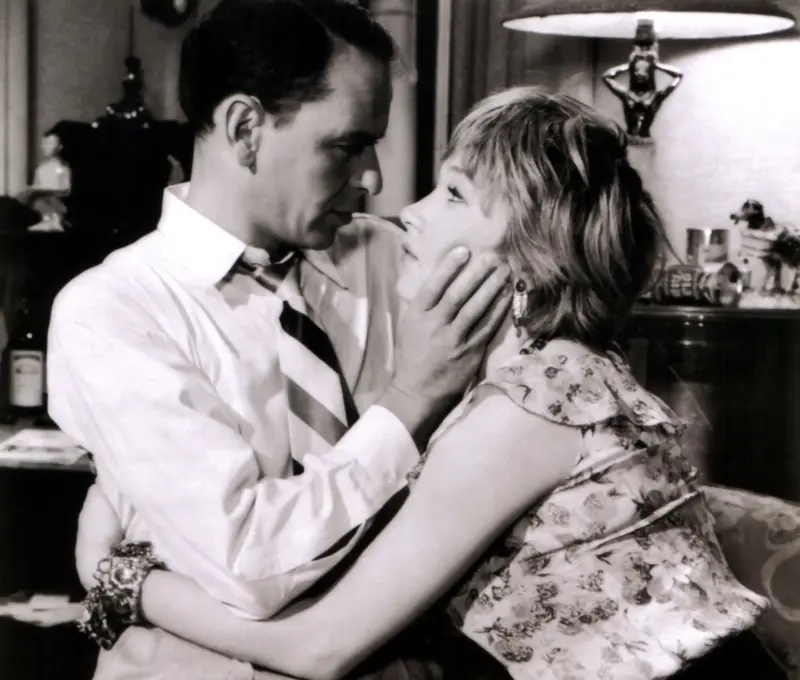
Star profile / Frank Sinatra
What happened to Frank Sinatra after his career collapsed in 1952
By 1952 Frank Sinatra had lost his record label, MCA and most of his audience. A film role and a new arranger in 1953 began a second career that ran until his death in 1998.
Continue readingQuick answers
Why did Grace Kelly marry prince rainier?
Grace Kelly married Prince Rainier after a year-long courtship that has been described as involving cool assessment on both sides. He proposed at her family home in Philadelphia in 1955, and she retired from acting at 26 to become Princess of Monaco.
How did Grace Kelly die?
Grace Kelly died from injuries in a car crash, after a mild cerebral hemorrhage struck while she was driving on September 13, 1982. A second, more severe hemorrhage at Monaco Hospital left her brain dead. She died the following night, after Rainier decided to turn off her life support.
How did Grace Kelly meet prince rainier?
Grace Kelly met Prince Rainier at his palace in Monaco, through a photo session she was invited to while leading the American delegation at Cannes in April 1955. After delays and complications, the meeting took place on May 6, 1955.
In this article
The Country Girl
George Seaton 1954
Watch it
Not listed on Amazon right now. Search Amazon for it.
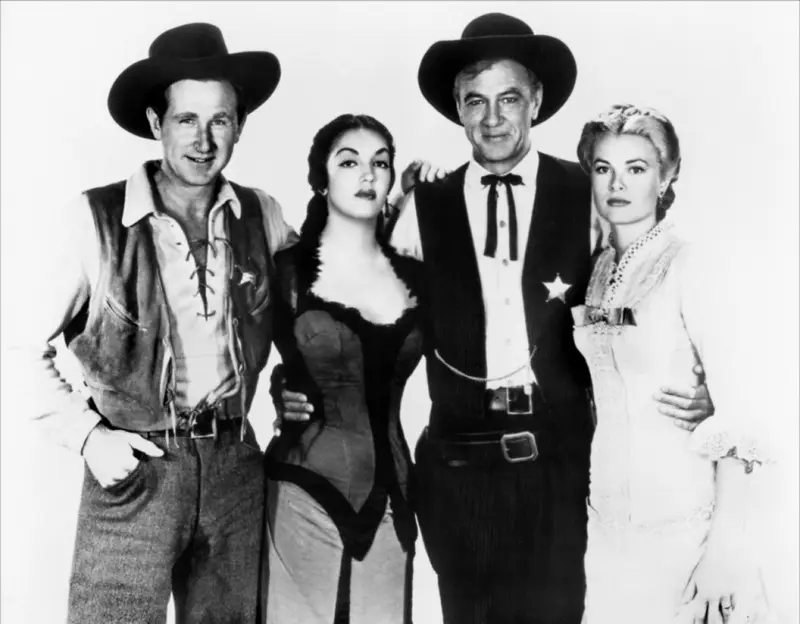
High Noon
Fred Zinnemann 1952
Watch it
Not listed on Amazon right now. Search Amazon for it.
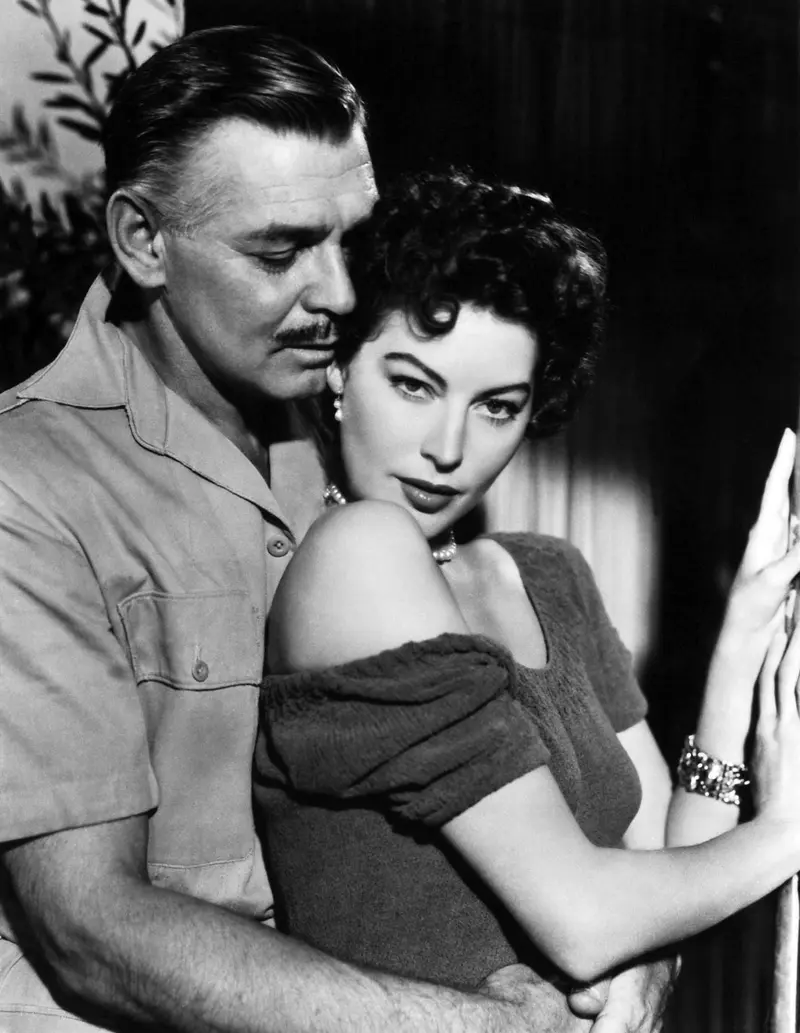
Mogambo
John Ford 1953
Watch it
Rear Window
Alfred Hitchcock 1954
Watch it
High Society
Charles Walters 1956
Watch it
Dial M for Murder
Alfred Hitchcock 1954
Watch it
Grace
James Spada, Grace Kelly · 1987
Get the book
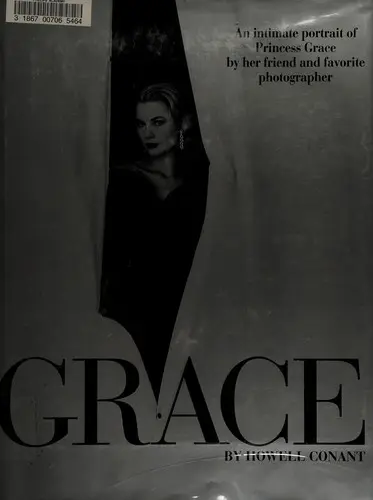
Grace
Howell Conant · 1992
Get the book
Sources
- Grace by James Spada, Grace Kelly (1987)
- Grace by Howell Conant (1992)
- Gable's Women by Jane Ellen Wayne
- Jimmy Stewart: A Biography by Marc Eliot
- Alfred Hitchcock: A Life in Darkness and Light by Patrick McGilligan
- Canadian Moving Picture Digest (Sep 4, 1954), page 22, Canadian Moving Picture Digest, accessed 2026-11-05
- Canadian Moving Picture Digest (Apr 9, 1955), page 6, Canadian Moving Picture Digest, accessed 2026-11-05
- Ballyhoo (Apr 11, 1955) Ontario 'B' District, page 12, Ballyhoo, accessed 2026-11-05
- Google Books record for Grace (James Spada), Google Books, accessed 2026-11-05
- Open Library record for Grace (James Spada), Open Library, accessed 2026-11-05
- Open Library record for Grace (Howell Conant), Open Library, accessed 2026-11-05
- Grace Kelly, Wikipedia, accessed 2026-11-05
Photo credits
- Grace Kelly in a still from The Country Girl (1954). Photo: DoctorMacro.com