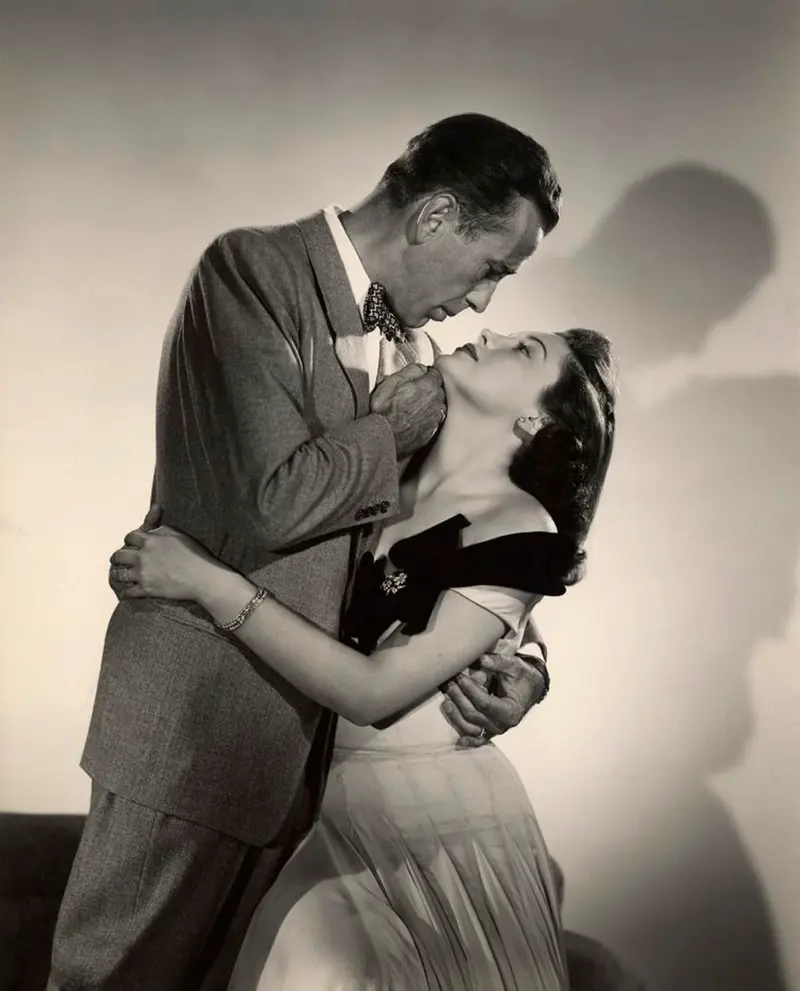
The Barefoot Contessa
Joseph L. Mankiewicz 1954
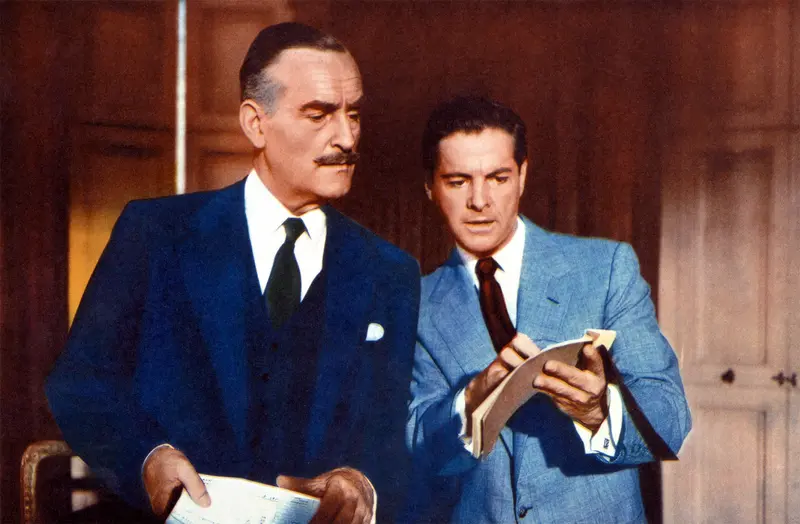
Alfred Hitchcock’s 1954 thriller, shot for 3-D and released in WarnerColor, stars Ray Milland as a retired tennis player who coerces an old classmate into killing his wealthy wife (Grace Kelly), whose lover is a crime writer (Robert Cummings). Frederick Knott adapted his own stage play. Bosley Crowther of The New York Times rated John Williams, as the inspector, “the best of the lot.”
Photo: DoctorMacro.com
The Canadian Moving Picture Digest of 3 Jul 1954 listed Dial M for Murder as a Warner Bros. WarnerColor mystery of 105 minutes, produced and directed by Alfred Hitchcock, and its 17 Jul 1954 issue carried Variety’s list of the top grossers for June, with the picture in fifth place. Frederick Knott wrote both the screenplay and the stage play behind this thriller. Ray Milland plays Tony Wendice, a retired tennis professional, Grace Kelly plays his wealthy wife, Margot, and Robert Cummings plays her lover, the American crime-fiction writer Mark Halliday. It is one of three suspense thrillers that Kelly made for Hitchcock, along with Rear Window and To Catch a Thief.
Tony knows about the affair and wants Margot’s fortune, since he expects a divorce to leave him with no money. He traps a former Cambridge classmate, the small-time confidence man Charles Swann, into agreeing to kill her while Tony is at a party, with a telephone call as the cue. The plan fails on the night, and the rest of the picture turns on a latchkey, a handbag and the questions of Chief Inspector Hubbard. John Williams (Hubbard) and Anthony Dawson (Swann) repeat the parts they played on Broadway.
It was shot for 3-D, but most cinemas played it in 2-D because interest in the process had fallen by the time of release. Warner Bros. issued a 3-D Blu-ray on 9 Oct 2012 for viewers who want the format it was shot in.
The Digest of Trade Press Reviews in the 3 Jul 1954 Canadian Moving Picture Digest gathered favorable lines from five trade papers. Film Daily found “a solid emotional impact,” Exhibitor called it “top grade,” and Boxoffice predicted audiences “on the edges of their seats.” Showmen’s Trade Review expected “exceptional returns,” and Motion Picture Herald offered “Tight, Taut, Tingling.”
The same paper followed the Toronto engagement through the summer. Its 3 Jul 1954 issue reported a sneak preview at the Village Theatre and a coming run at Shea’s, with a stunt arranged by Irving Herman of Warner Bros., Len Bishop and Station CHUM. Three names were to be picked for telephone calls each evening, and anyone who answered by giving the title of the picture could collect $25. The 24 Jul 1954 issue described a second promotion under Bishop, in which young women in “somewhat startling attire” walked the downtown streets, and onlookers who kept staring found a plug for the picture on the rear.
The paper’s listings put the film at the Orpheum in Vancouver and the Paramount in Saint John on 3 Jul 1954, in its second week at Shea’s on 17 Jul, and in its third week there on 24 Jul. Its 17 Jul issue also reported that the Ontario Board of Moving Picture Censors had classified the picture as Adult Entertainment, together with The Long Wait and Indiscretion of an American Wife.
John McCarten of The New Yorker wished the script had allowed one of Hitchcock’s “spectacular chases,” though he wrote that after a talky first 30 minutes the piece became “grimly diverting.” Richard L. Coe of The Washington Post called it “completely choice” and described the camerawork as that of “a master enjoying his script.” The Monthly Film Bulletin was less impressed, calling the result “a neat piece of filmed theatre” and the work of Milland, Kelly and Cummings “rather drab.”
Harrison’s Reports rated it “a mild entertainment” and blamed slow action on a story told mainly through dialogue. Variety saw “basic weaknesses” in the setup that kept it from working as a suspense show for “any but the most gullible,” and said the performances and Hitchcock’s tricks covered them only in part. Neither of those two notices, which raised objections, is quoted in the Digest’s 3 Jul 1954 entry.
Bosley Crowther of The New York Times called the picture a “technical triumph” in a favorable review. Three of these notices singled out the stage veterans. Coe found Williams and Dawson “smooth as silk,” the Bulletin granted Williams’s inspector “a touch of individuality,” and Crowther named Williams “the best of the lot.”
Richard Weill’s study, Frederick Knott and Dial M for Murder, is dated 2026 and published by McFarland. Jeffrey Hatcher’s stage adaptation opened at the Old Globe in San Diego in 2022 and turned Max Halliday into Maxine Hadley, which made the affair a lesbian one. Viggo Mortensen plays the wife’s lover in A Perfect Murder (1998), Andrew Davis’s remake with Michael Douglas and Gwyneth Paltrow, which merges Halliday and Swann into one character.
On television, Diane Cilento played Margot and Laurence Harvey played Tony in the color version that ABC made in 1967, with Hugh O’Brian as Max. Broadway parts were repeated by Williams, Dawson and Maurice Evans (as Tony) in the television film that NBC aired in 1956. The American Film Institute placed the picture ninth among mysteries in its 2008 10 Top 10 and 48th on its 2001 thrills list. The Guardian called it “a taut, acidly funny thriller” in 2012.
The film played in 3-D in some UK cinemas in the summer of 2013. The Detroit Institute of Arts had a sold-out engagement during the limited national re-release of February 1982, which Warner Bros. mounted with Chris Condon’s single-strip StereoVision system. That re-release was prompted by the strong showing of a dual-strip revival in San Francisco, at the York Theater, in February 1980.
The first 3-D showings had a different result. The Philadelphia Inquirer of 23 May 1954 recorded how the 3-D version fared at the Randolph in that city. After one preview on 18 May and four showings on 19 May, the theater’s customers thinned and many complained, and a manager telephoned the studio for permission to show the film flat. The Inquirer wrote that in exhibitors’ terms the picture “literally died,” and that business improved once the glasses were dropped and the 2-D version went on. Hitchcock’s own verdict on the process was that it was “a nine-day wonder” and that he had arrived on the ninth day.
Donald Spoto, Hitchcock’s biographer and also the author of a Kelly biography, High Society, reports that the director had little enthusiasm for the assignment. Spoto quotes Kelly as saying Hitchcock stayed calm because he was “already preparing his next picture,” Rear Window. Kelly’s own recollection supports that account. She said Hitchcock talked to her about Rear Window all through the making of this film, before her being in it had been discussed.
The picture itself replaced another plan. Later accounts say Warner Bros. let Hitchcock drop The Bramble Bush, from David Duncan’s 1948 novel, which he had planned as a Transatlantic Pictures film with his partner Sidney Bernstein. The script and budget gave trouble, and the two men decided to end the partnership.
Kelly won the New York Film Critics Circle Award for Best Actress for her 1954 work in this film, Rear Window and The Country Girl. Rumors of an affair between Kelly and Milland circulated at the time, fed by the columnist Hedda Hopper, but neither of them ever admitted it, so the story cannot be confirmed.
Cummings had already worked for Hitchcock in Saboteur. The play’s lover, Max Halliday, was renamed Mark for the film. Hitchcock’s cameo comes about 13 minutes in, in a black-and-white reunion photograph, where he is seated among former students and faculty at a banquet table. The estimated North American box-office figure for 1954 is $2.7 million.
Yes, by most of the record. Rotten Tomatoes shows 90% positive reviews from 50 critics, and Metacritic gives it 75 out of 100. Its first reviewers split: Bosley Crowther of The New York Times called it a “technical triumph,” while Harrison’s Reports saw “a mild entertainment.”
No. The Canadian Moving Picture Digest listed it as a WarnerColor picture in the summer of 1954. A black-and-white item does appear on screen: the reunion photograph, about 13 minutes in, where Hitchcock makes his cameo.
Yes. The Canadian Moving Picture Digest of 3 Jul 1954 listed it as a WarnerColor mystery of 105 minutes. The paper’s Toronto, Winnipeg and Saint John listings that summer also give WarnerColor.
The ending turns on a latchkey. Inspector Hubbard takes Tony’s key, and Tony, finding it missing, collects Margot’s handbag from the police station. When that key fails, he uses the one hidden under the stair carpet, which proves his guilt, and with the exits blocked he makes himself a drink and congratulates Hubbard.
No. The film came from a stage play by Frederick Knott, who also wrote the screenplay. The play premiered on BBC Television in 1952, then reached London’s West End in June and Broadway in October of that year.
Joseph L. Mankiewicz 1954
John Ford 1953
Henry King 1952
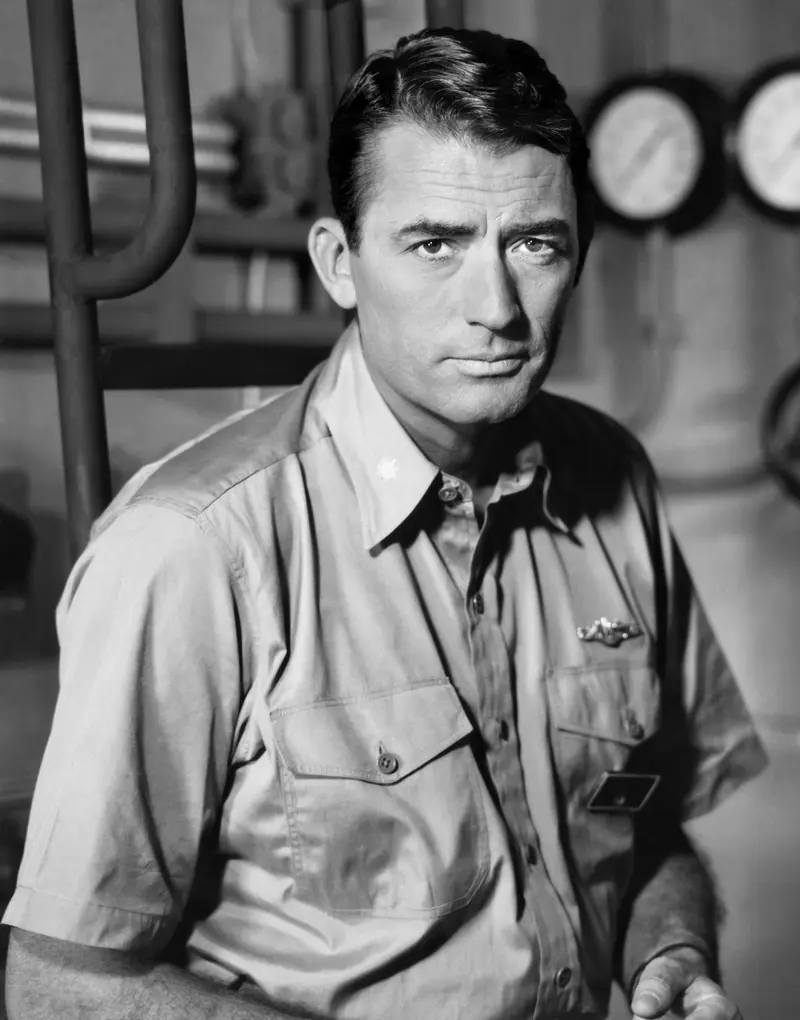
Stanley Kramer 1959
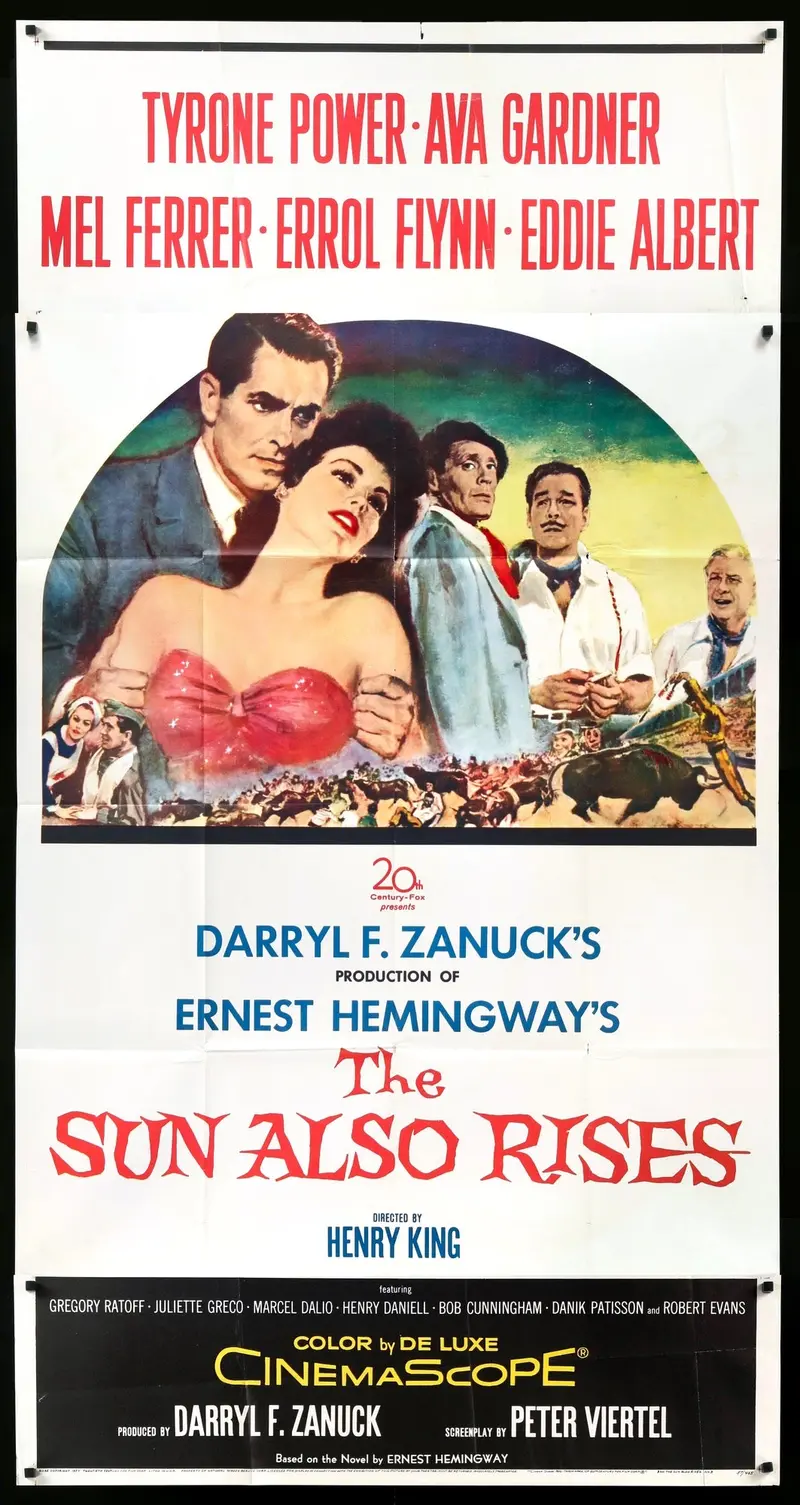
Henry King 1957
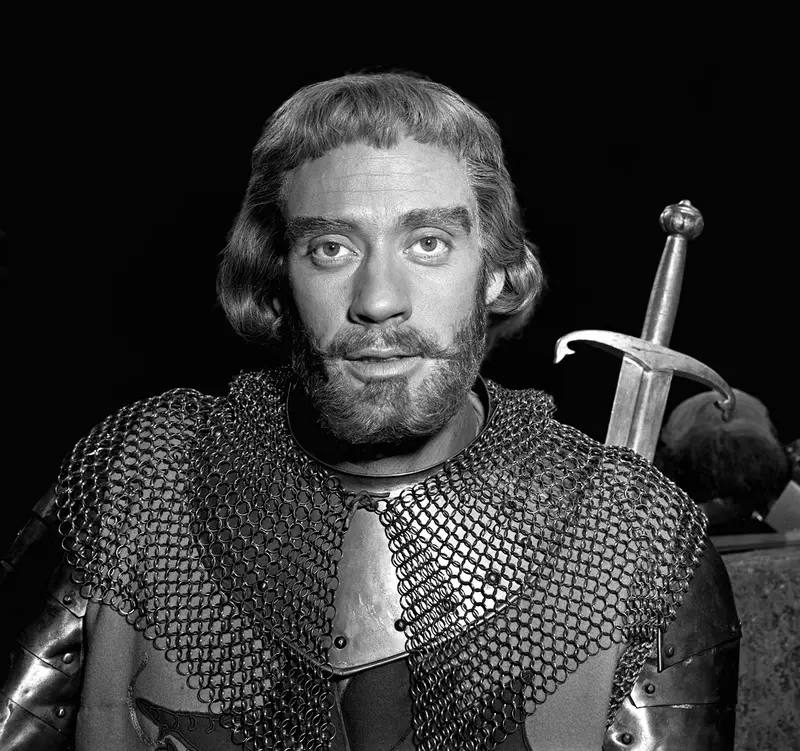
Richard Thorpe 1953
George Cukor 1956
George Sidney 1951
Albert Lewin 1951
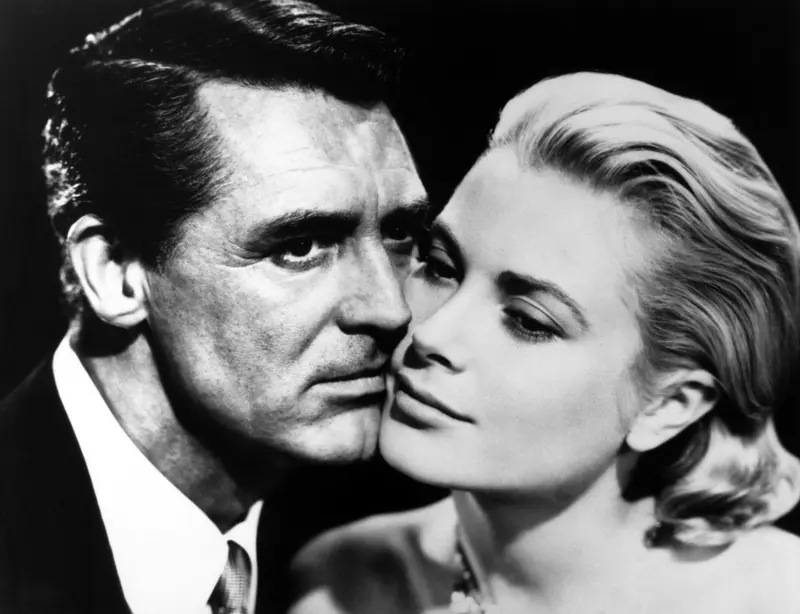
Alfred Hitchcock 1955
Leo McCarey 1957
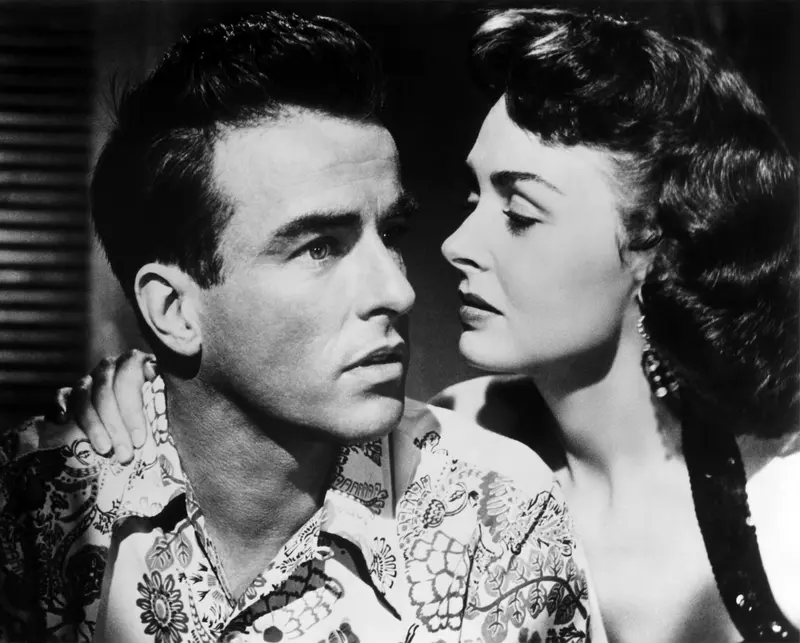
Fred Zinnemann 1953
We use Google Analytics to see which pages help. Allow it?