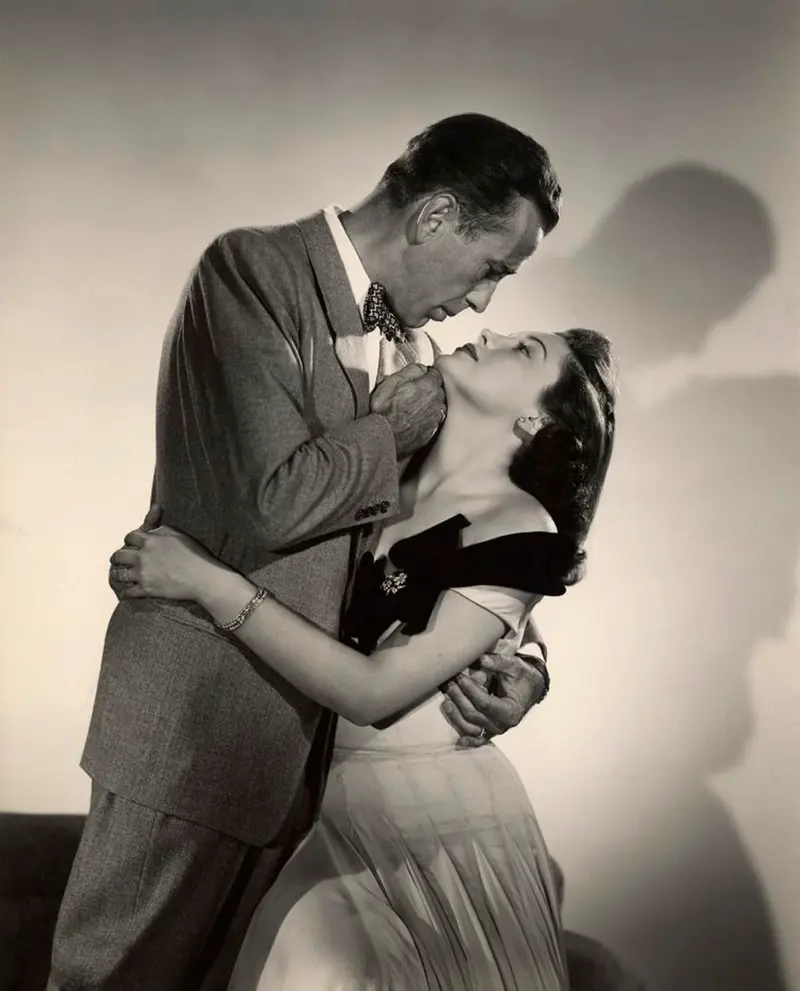
The Barefoot Contessa
Joseph L. Mankiewicz 1954
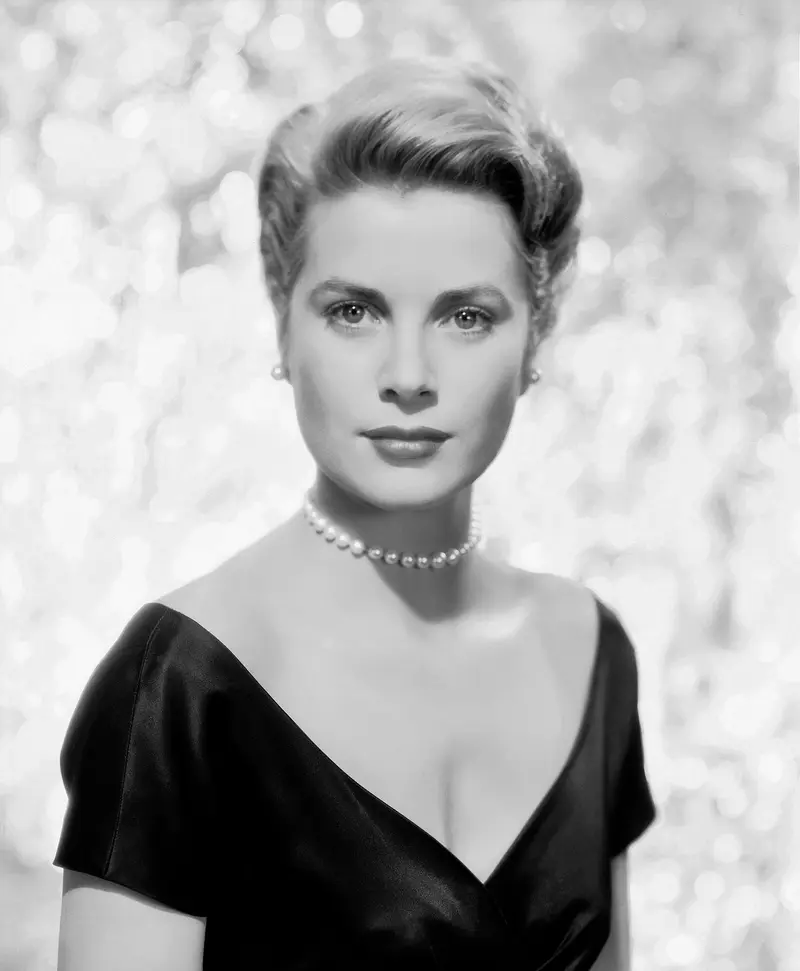
A 1954 George Seaton drama from the Clifford Odets play, with Grace Kelly as Georgie Elgin, wife of Bing Crosby’s washed-up, alcoholic singer Frank Elgin, and William Holden as the other lover she is torn over. Kelly won the Academy Award for Best Actress for the part, and Seaton won for the screenplay.
Not listed on Amazon right now. Search Amazon for it.
Photo: DoctorMacro.com
The Canadian Moving Picture Digest of Apr 23, 1955 reported that The Country Girl, the picture that brought Grace Kelly the Academy Award for best actress, had set a new first-week house record at Shea’s Theatre in Toronto. It had also set a new Saturday opening record for the 2,400-seat house, according to the manager, Len Bishop, and the paper said the lines at times stretched three blocks.
Kelly plays Georgie Elgin, emotionally torn between two men: her husband Frank Elgin, the washed-up, alcoholic singer played by Bing Crosby, and the other lover, played by William Holden. Adapted from Clifford Odets’s 1950 play, the picture is a 1954 Paramount drama written and directed by George Seaton. Kelly’s other 1954 pictures include Dial M for Murder, Green Fire and Rear Window.
The story opens at auditions for a new musical, The Land Around Us, where the director, Bernie Dodd, insists on Frank for the lead over the objections of the producer, Philip Cook. Frank lets Bernie believe that Georgie is the reason his career declined, and Bernie blames her through the rehearsals. He learns that the drinking and the despair he assigned to her belong to Frank, and that an attraction to Georgie lay behind his hatred of her.
Bosley Crowther of The New York Times placed the film among the “fine and forceful pictures of the year,” and the same paper called Kelly’s performance “excellent.” Variety’s review described an “exceptionally well performed essay” about an alcoholic “song man,” with Crosby in that part. Variety judged the film “high on boxoffice punch” and “a strong, intense show.” The film had two benefit openings. The West Coast gala took place on Dec 21 at the Stanley Warner Theatre in Beverly Hills, for the United States Olympic Fund, and the world premiere had taken place at the Criterion Theatre in New York on Dec 15, 1954.
The Digest of Apr 9, 1955 reported the Oscars to Kelly for best actress and to Seaton for best screenplay. Its Ottawa note said that business at the Capitol Theatre “took quite an upsurge” when Kelly’s award was announced. The same note said that Morris Berlin of the Somerset opened the following day with Rear Window. The paper’s release tables that week placed the film at Shea’s in Toronto, at Loew’s in Montreal and, for a third week, at the Capitol in Winnipeg. By Apr 23 the tables showed a third week at both Shea’s and the Capitol in Vancouver, and these listings name only Crosby and Kelly.
Earlier in the awards season, the Digest of Feb 19, 1955 listed nominations for best director (Seaton), best actor (Crosby) and best picture (William Perlberg as producer). The same column announces five best actress nominees but names four, and Kelly is not among them; the reason cannot be confirmed. That issue also covered the Photoplay awards of Feb 10 at the Beverly Hills Hotel, where Holden received a Gold Medal on the basis of a nationwide poll of filmgoers. Kelly received a certificate as “the most promising actress of 1955” for Rear Window and Country Girl.
Some of the film’s dialogue was used in the 2007 Mika song “Grace Kelly.” A 1955 Hancock’s Half Hour radio episode parodied the picture, and Holden referred to it by name in the 1955 I Love Lucy episode “L.A. at Last.” The film was entered in the 1955 Cannes Film Festival. The songs are by Harold Arlen and Ira Gershwin, and Crosby recorded four of them for Decca on a 10-inch LP titled The Country Girl / Little Boy Lost.
Later summaries do not agree on what Frank Elgin is, calling him a has-been actor, a washed-up singer and an alcoholic entertainer. Accounts of Crosby’s career say the role brought him critical acclaim and his third Academy Award nomination, while accounts of Holden’s say he took third billing and that the film was a big hit. Filming is dated to between February and April 1954.
Modern accounts of Kelly’s career say she took the part after a pregnant Jennifer Jones bowed out, and that she already knew the play, which on Broadway had earned Uta Hagen her first Tony Award for the role. MGM would have had to lend her to Paramount, and she threatened to leave for New York for good if the studio refused. MGM relented, and she also negotiated a more lucrative contract. Edith Head dressed her, moving from fashionable dresses early in the film to ordinary-looking cardigans toward the end. The same accounts name Judy Garland in A Star Is Born as her main competitor for the Oscar, and they record a Golden Globe for the part. They also record a New York Film Critics Circle award covering this role, Rear Window and Dial M for Murder. Kelly went on to To Catch a Thief after a run of consecutive shoots that included this one, and she played opposite Crosby in High Society.
The singer in The Country Girl is Frank Elgin, the washed-up alcoholic played by Bing Crosby. The songs are by Harold Arlen and Ira Gershwin, and Crosby recorded four of them for Decca on a 10-inch LP titled The Country Girl / Little Boy Lost.
The 1954 film The Country Girl comes from a stage play rather than a book, Clifford Odets’s 1950 The Country Girl. The film’s story follows an alcoholic has-been actor given a last chance, and the wife’s part earned Uta Hagen her first Tony Award on Broadway.
The 1954 film The Country Girl ends with Georgie leaving the opening-night party to follow her husband. Frank has told her and Bernie that he noticed their longing looks. She says goodbye to Bernie, kisses him lightly and goes after Frank.
Joseph L. Mankiewicz 1954
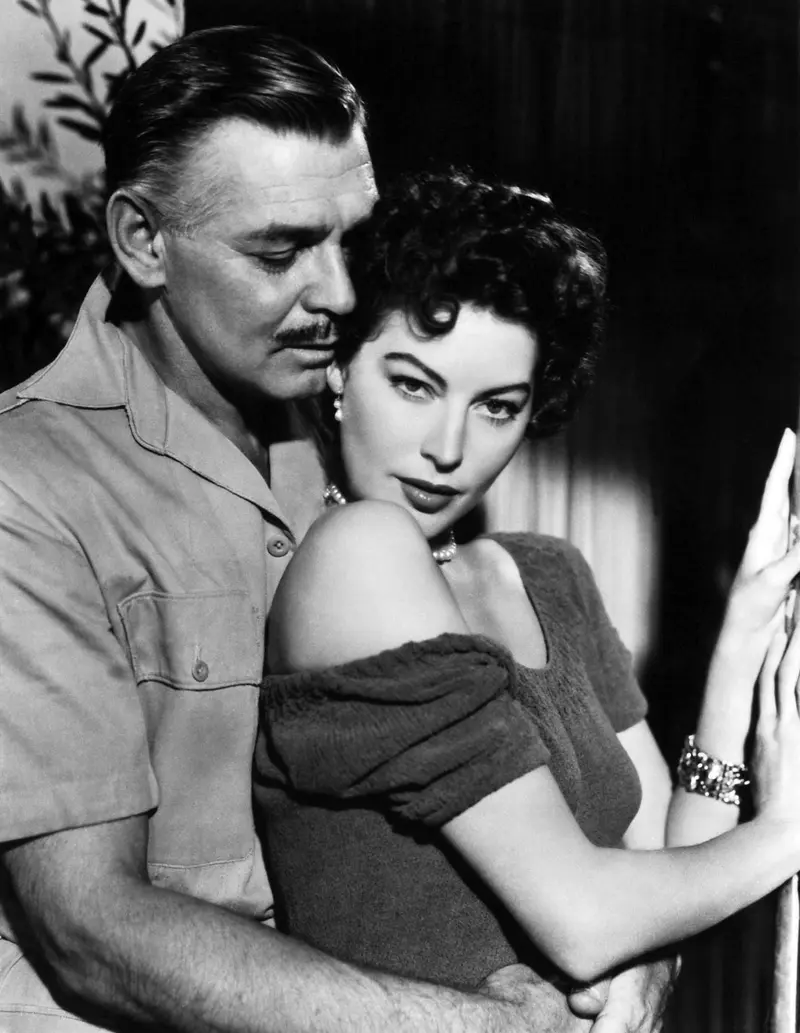
John Ford 1953
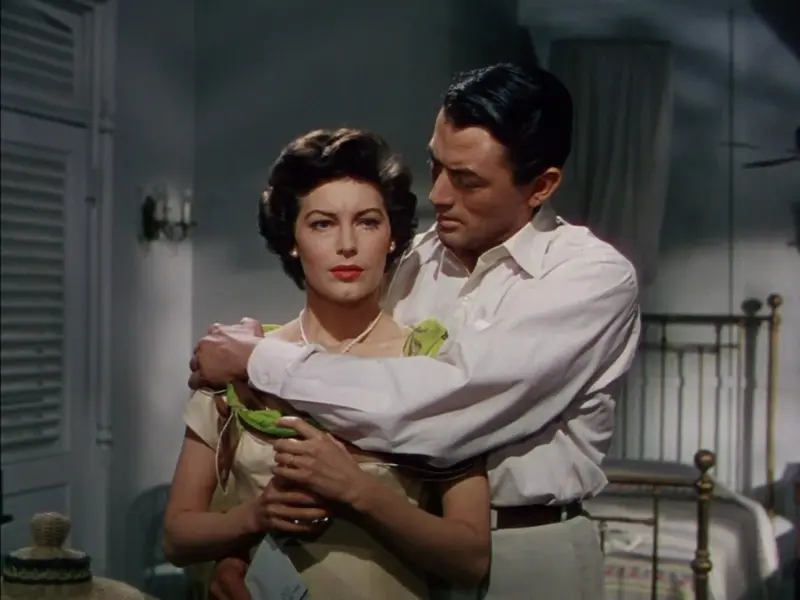
Henry King 1952
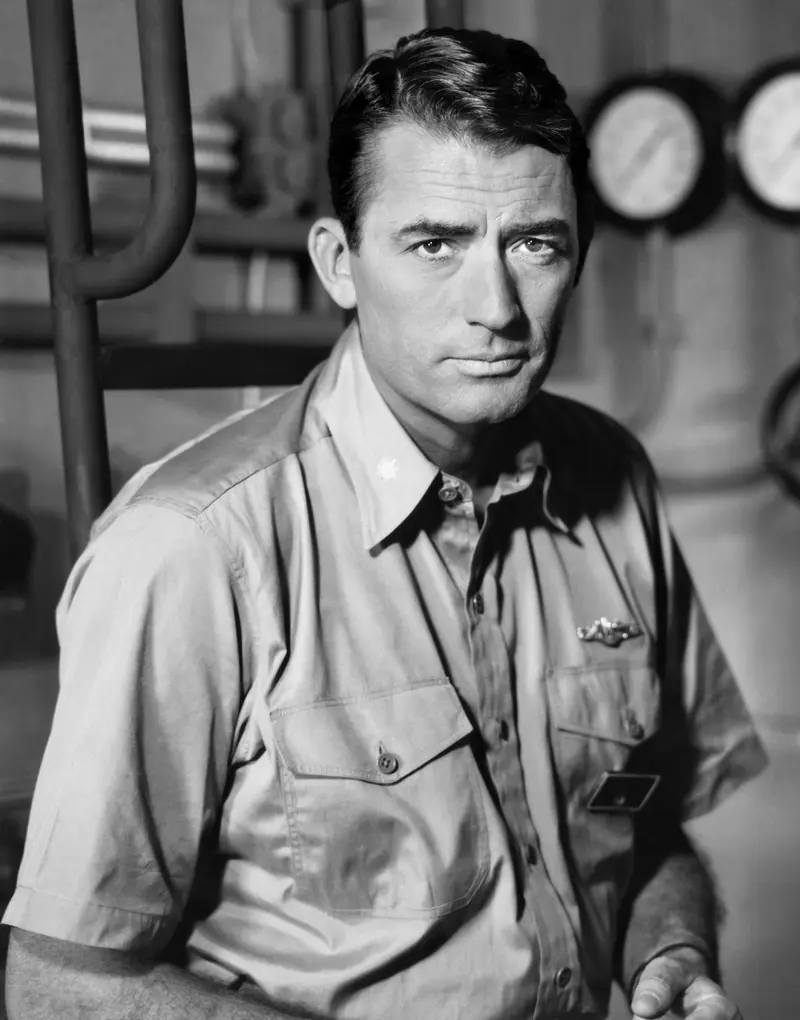
Stanley Kramer 1959
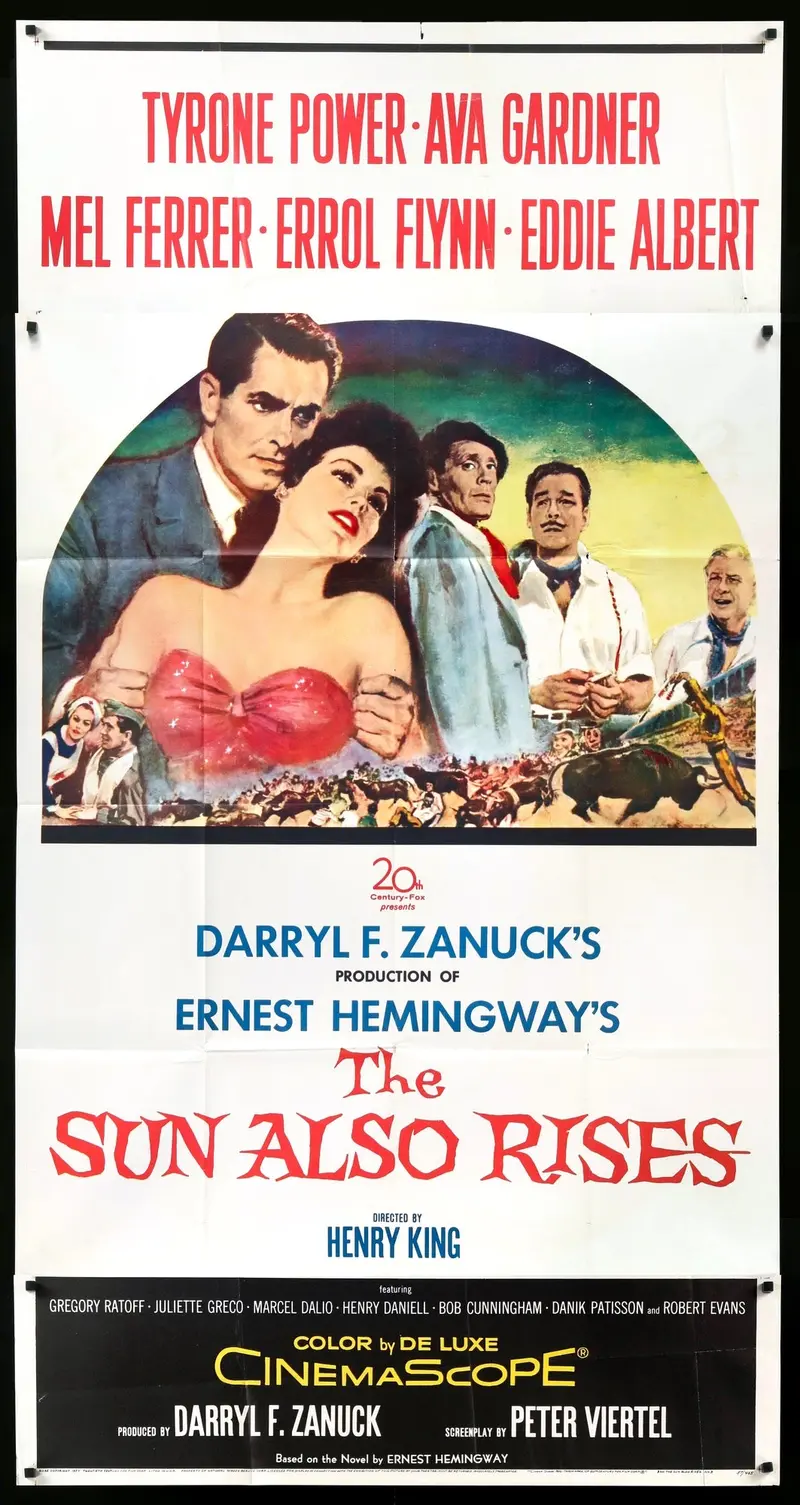
Henry King 1957
George Cukor 1956
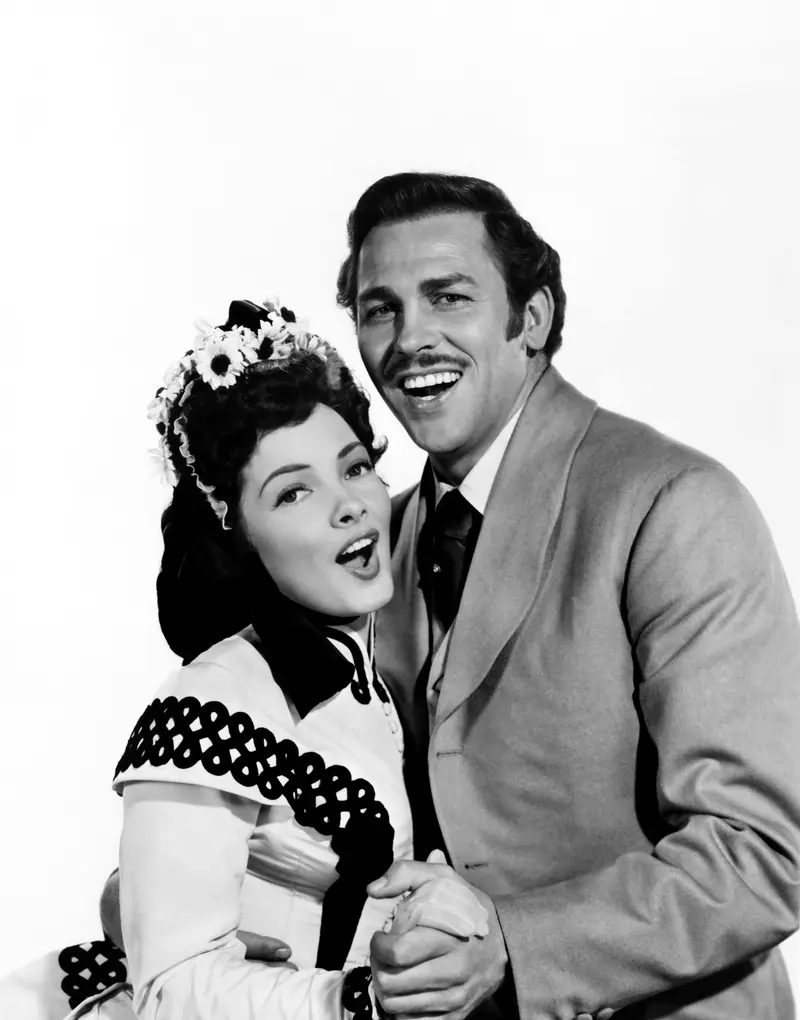
George Sidney 1951
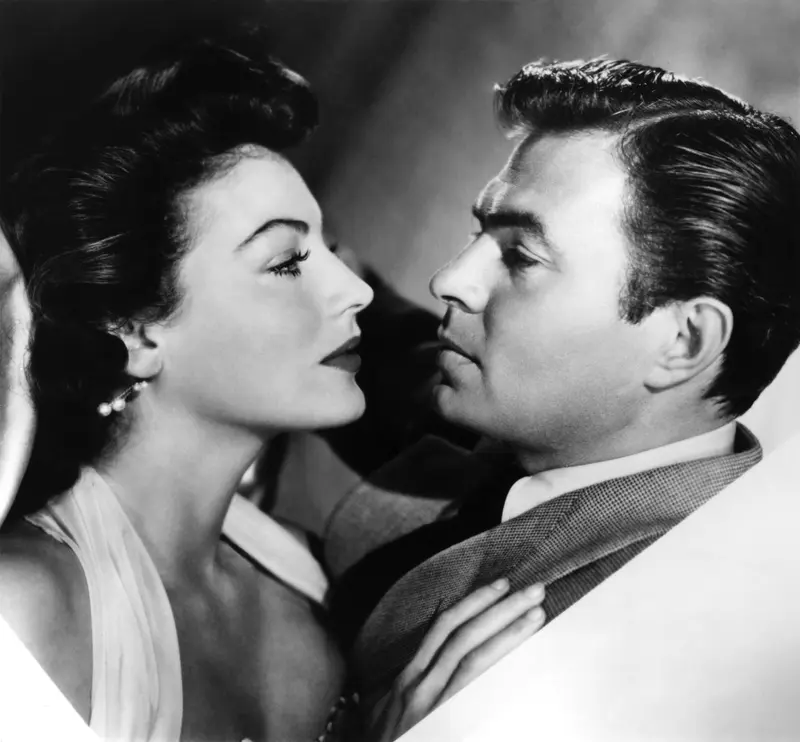
Albert Lewin 1951
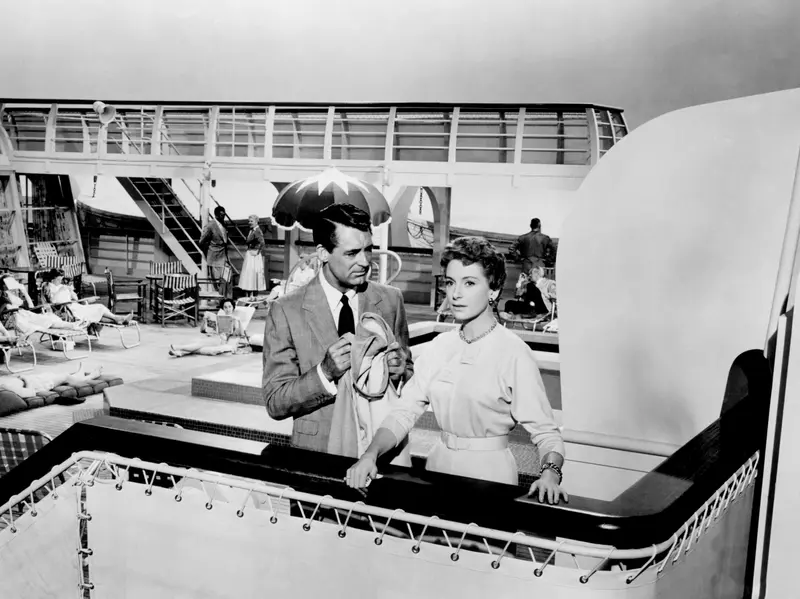
Leo McCarey 1957
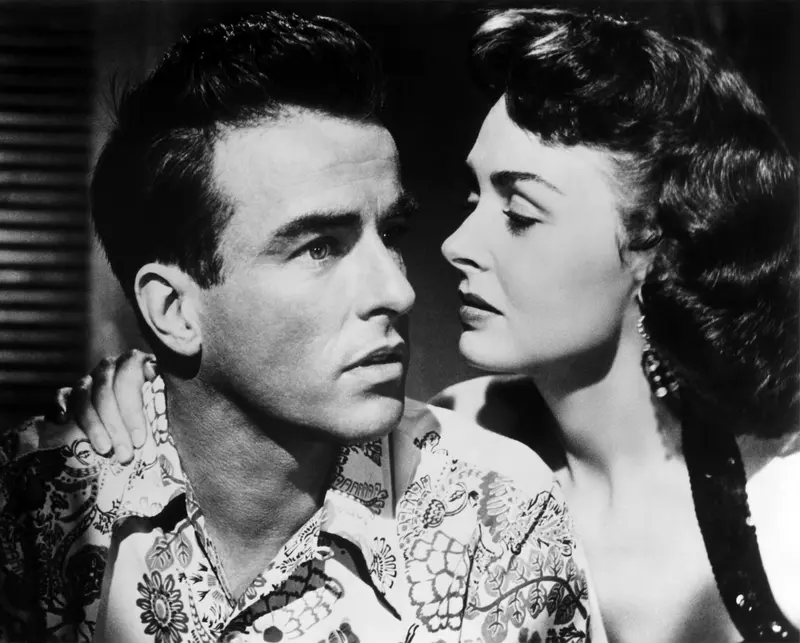
Fred Zinnemann 1953
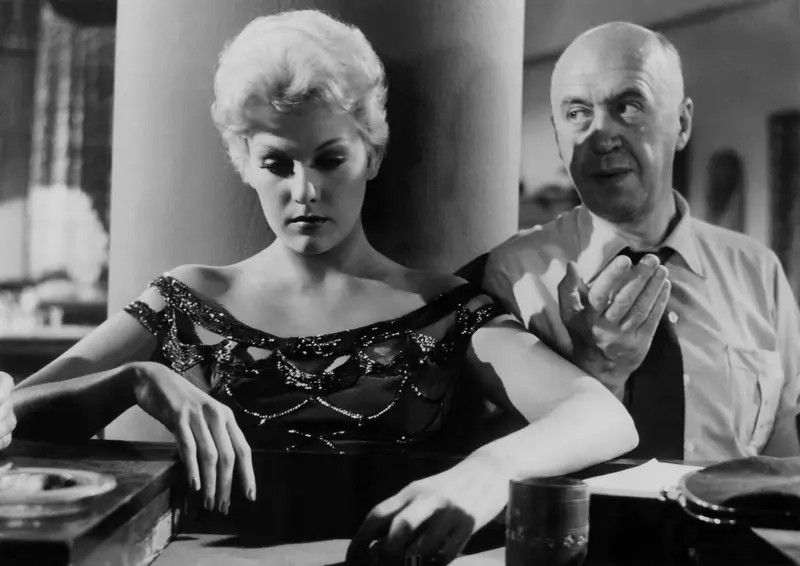
Otto Preminger 1955
Stanley Kramer 1957
We use Google Analytics to see which pages help. Allow it?