The Barefoot Contessa
Joseph L. Mankiewicz 1954
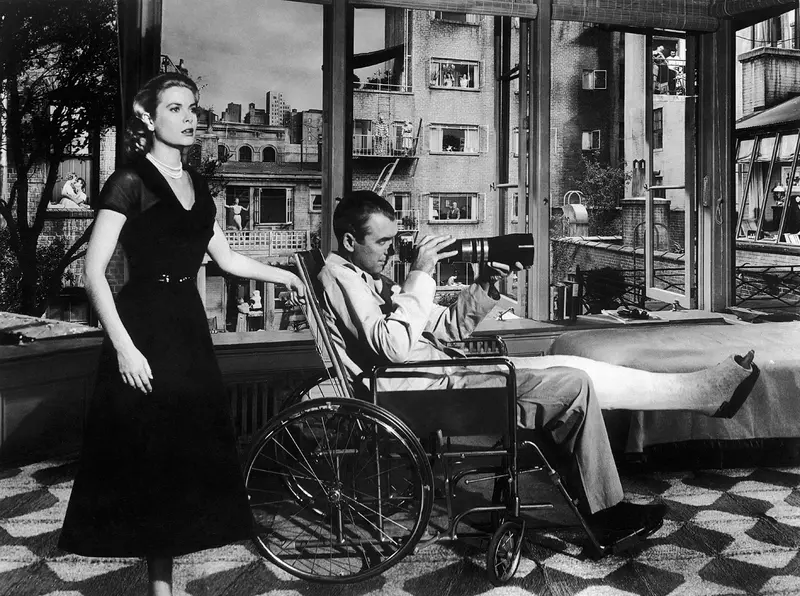
Alfred Hitchcock’s 1954 thriller stars James Stewart as a photojournalist, laid up with a broken leg, who comes to suspect from his apartment window that a neighbor has killed his wife. Grace Kelly plays his girlfriend and Thelma Ritter his nurse. Almost all of it is seen from one room, looking onto a courtyard built indoors at Paramount.
Photo: DoctorMacro.com
Rear Window is a 1954 Paramount mystery thriller produced and directed by Alfred Hitchcock, adapted by John Michael Hayes from “It Had to Be Murder,” a 1942 short story by Cornell Woolrich. James Stewart plays the photojournalist L. B. “Jeff” Jefferies, Grace Kelly plays his girlfriend, the model Lisa Fremont, and Thelma Ritter plays his nurse, Stella. Wendell Corey appears as the detective Tom Doyle and Raymond Burr as the neighbor Lars Thorwald.
The story takes place during a heat wave in a Greenwich Village apartment, where Jeff sits in a wheelchair with a cast from hip to foot and watches the neighbors around a courtyard. He comes to believe that Thorwald, a traveling salesman of costume jewelry, has killed his wife, and he draws in Stella and Lisa. He and Lisa also dispute whether their relationship can survive their different ways of living. Nearly the whole film is seen from inside that one room or from Jeff’s view out of the window.
The film was Stewart’s second collaboration with Hitchcock and ranked eighth among the highest-grossing pictures of 1954. For Kelly it is one of three Hitchcock suspense thrillers, with Dial M for Murder and To Catch a Thief. The Canadian Moving Picture Digest of 6 Nov 1954 reported that Screen Directors Guild members had named it among the six best-directed pictures released from 1 Jul through 30 Sep. For home viewing, Universal first issued it on Blu-ray on September 25, 2012, with a John Fawell commentary and an interview with Hayes, and reissued it with the same extras on May 6, 2014.
The Canadian Moving Picture Digest of 4 Sep 1954, in a survey marking Paramount’s 40th anniversary, listed Rear Window among the company’s pictures already in release. It described a Technicolor suspense thriller starring Stewart and Kelly, with Corey and Ritter in support. The same survey placed The Country Girl among finished films awaiting release and To Catch a Thief, with Cary Grant and Kelly, among those still in production or editing. A Paramount advertisement in that issue said September bookings were arriving and spoke of a “smash performance” in New York, Los Angeles and Philadelphia. The advertisement carried the credit “Color by Technicolor.”
The Digest’s city listings then follow the film across Canada. The 2 Oct 1954 issue has it in a second week at the Met in Winnipeg and the Orpheum in Vancouver, and playing the Paramount in St. John. The 6 Nov 1954 issue has it in a second week at Loew’s in Montreal. These listings name Stewart alone, although the paper’s news items bill him with Kelly.
The 6 Nov issue carried a promotion from Len Bishop at Shea’s Theatre in Toronto: anyone with a leg in a cast could attend as his guest at any performance in the opening week. The notice described Stewart’s part as a press photographer with a broken leg and called the murder story “hair-raising.” The same issue gave the Guild’s list as announced by its president, George Sidney: A Star Is Born, The Caine Mutiny, On the Waterfront, Rear Window, Sabrina and Seven Brides for Seven Brothers. Dial M for Murder had been chosen earlier in the year, so Hitchcock had two pictures in the group. That group, with nominations from the last quarter’s releases, was to supply the Guild’s choice for its annual directing award in January.
Bosley Crowther of The New York Times called the film a “tense and exciting exercise” but held that what it said about people and human nature was “superficial and glib.” He allowed that it exposed the loneliness of city life and that its purpose was sensation. Variety called it “one of Alfred Hitchcock’s better thrillers” and remarked on an “earthy quality” in the relationship between Stewart and Kelly. Time rated it “just possibly the second-most entertaining picture” Hitchcock had made, behind The 39 Steps, while noting “studied lapses of taste.” Harrison’s Reports called it a “first-rate thriller” and “strictly an adult entertainment,” and credited its comedy and romance with relieving the tension.
François Truffaut, in a 1954 review, offered a parable that made the courtyard the world, the photographer the filmmaker and the binoculars the camera. Cahiers du Cinéma placed the film fifth on its Top 10 list in 1955. The accounts of Stewart’s career say most of the first praise went to Hitchcock rather than to him.
Wikipedia’s article on Kelly dates the opening to October 1954. Its article on the film records a benefit world premiere on August 4, 1954, at the Rivoli Theatre in New York, with proceeds going to the American-Korean Foundation, and the 4 Sep Digest already has the picture running in three cities. The same article gives two money figures without reconciling them: a $27 million gross in the initial release on a $1 million budget, and $5.3 million in North American rentals.
Kelly recalled that Hitchcock kept discussing Rear Window with her throughout the making of Dial M for Murder, before there was any talk of casting her. She had turned down On the Waterfront, and she shot the film in a consecutive run with The Country Girl and Green Fire. The New York Film Critics Circle gave her its Best Actress award for Rear Window, Dial M for Murder and The Country Girl together. Donald Spoto, whose 1976 book The Art of Alfred Hitchcock has a foreword by Kelly, wrote there of the “social contagion” of acting as voyeur. He later published a biography of her, High Society.
For Stewart, the later writing centers on the darker turn. His photographer was loosely based on Robert Capa, and he had to react largely with his face because the character is held to a wheelchair. Vincent Canby called the performance “grand.” Roger Ebert grouped Jefferies with the darker parts directors gave Stewart after the war, and John Belton placed the role among his “disturbed voyeur” characters for Hitchcock. Laura Mulvey, in “Visual Pleasure and Narrative Cinema,” used the film as an example of the male gaze, citing the dancer Miss Torso.
The production accounts describe an indoor set on stage 18 at Paramount, replicating a Greenwich Village courtyard, that Hal Pereira and Joseph MacMillan Johnson took six weeks to build. It held 31 apartments wired for electricity and supplied with running water, about 12 of them furnished, and a drainage system made for the rain sequence. It was modeled on an actual courtyard at 125 Christopher Street, although the film gives the address as 125 W. Ninth Street. The 90-second opening scene needed many rehearsals and ten takes across half a day. Franz Waxman’s credited score was limited to the opening and closing titles and the songwriter’s tune “Lisa,” and Hitchcock otherwise relied mainly on music and noise from within the story, including Bing Crosby’s voice drifting across the courtyard.
The copyright was taken in 1954 by Patron Inc., a company set up by Hitchcock and Stewart. Rear Window was one of five Paramount-era films whose rights reverted to Hitchcock after eight years, and he kept them out of circulation for almost 20 years. Universal bought them in 1983 for a rumored $6 million. Ebert, reviewing that October’s re-release, compared watching it to spying on one’s neighbors and called viewers “accomplices” in the voyeurism, while Canby wrote in 1983 that its appeal “remains undiminished.” The rights to Woolrich’s story reached the Supreme Court in Stewart v. Abend in 1990, and the litigant, Sheldon Abend, was credited as a producer of the 1998 television remake with Christopher Reeve. The Library of Congress chose the film for the National Film Registry in 1997, and Robert A. Harris and James C. Katz restored it for a limited 1999 run in Technicolor dye-transfer prints, the first the title had been given.
Rear Window 1954 is about a photojournalist confined to a wheelchair in his Greenwich Village apartment who comes to believe a neighbor has murdered his wife. The Canadian Moving Picture Digest of 6 Nov 1954 described Stewart’s part as a press photographer with a broken leg who uncovers a murder from his room.
Yes. Paramount’s advertising in the Canadian Moving Picture Digest of 4 Sep 1954 carried the credit “Color by Technicolor.” A restoration for a limited 1999 theatrical run gave the title its first Technicolor dye-transfer prints.
Yes. Rear Window was shot entirely on stage 18 at Paramount Studios, on an indoor set replicating a Greenwich Village courtyard with 31 apartments. Hal Pereira and Joseph MacMillan Johnson took six weeks to build it, and its tallest structure stood 40 feet.
Rear Window ends with Thorwald attacking Jeff and dropping him from the window as police seize him, after which Thorwald confesses to killing his wife. Days later Jeff has both legs in casts. As he naps, Lisa puts down a book on travel exploration and picks up a fashion magazine.
Joseph L. Mankiewicz 1954
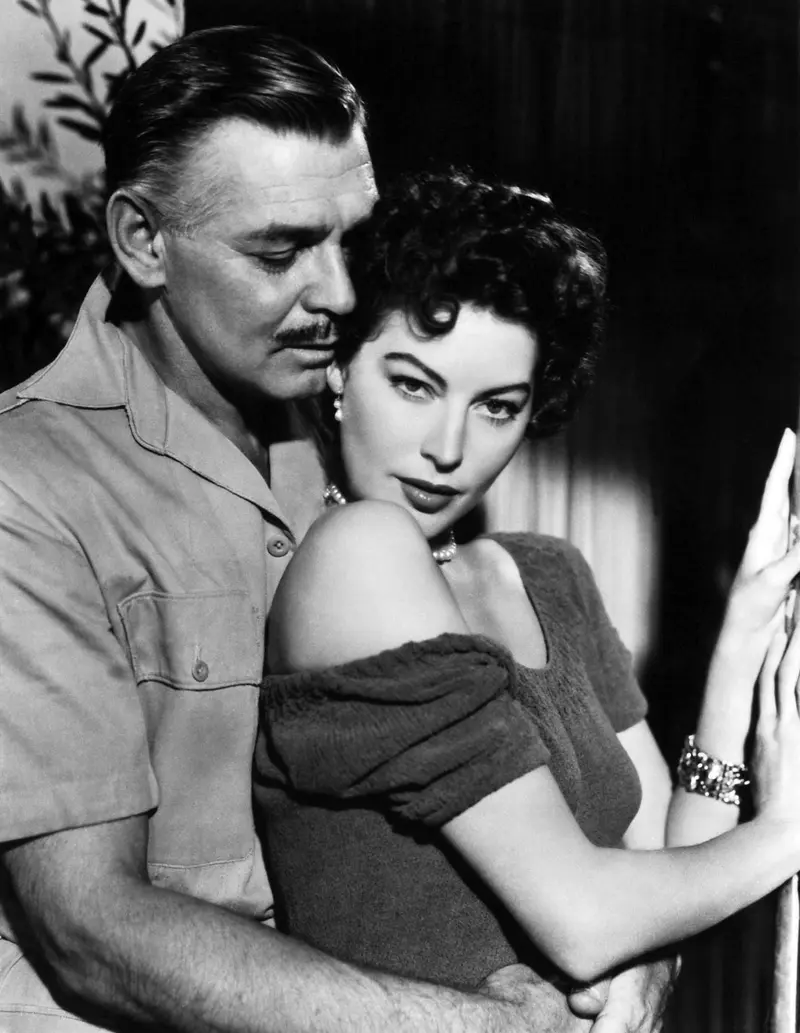
John Ford 1953
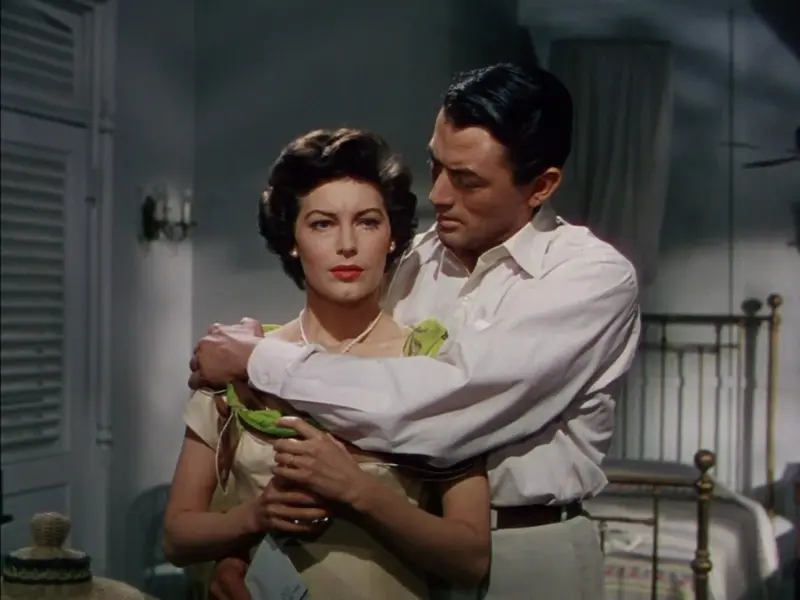
Henry King 1952
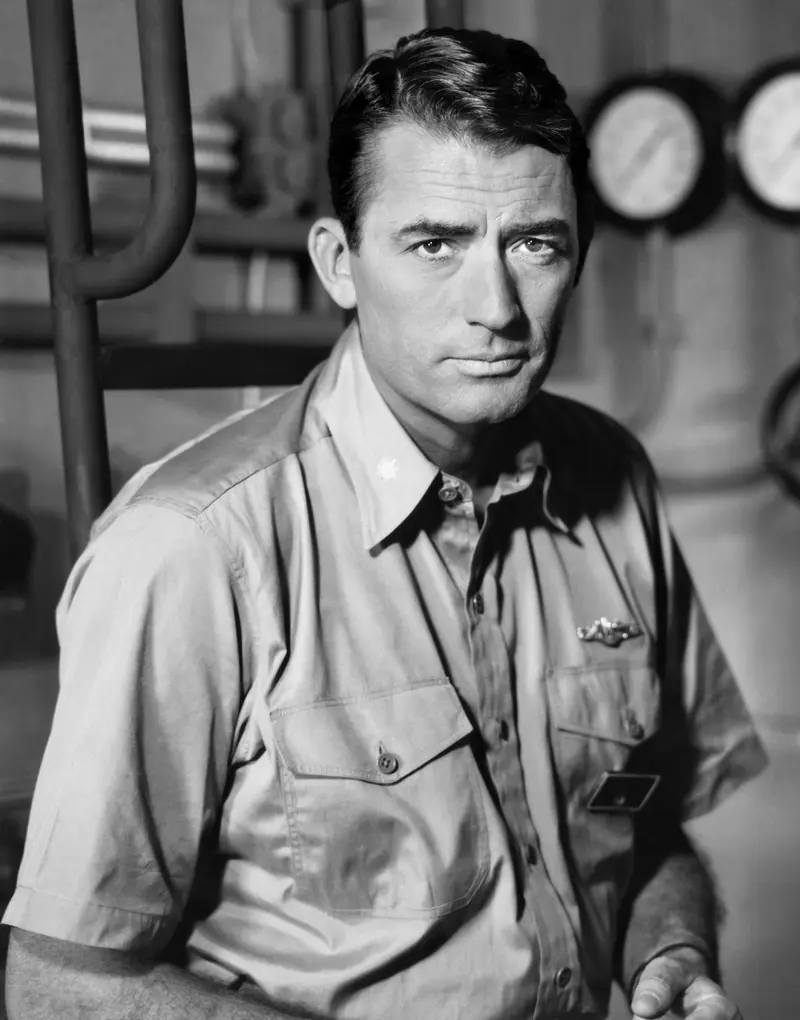
Stanley Kramer 1959
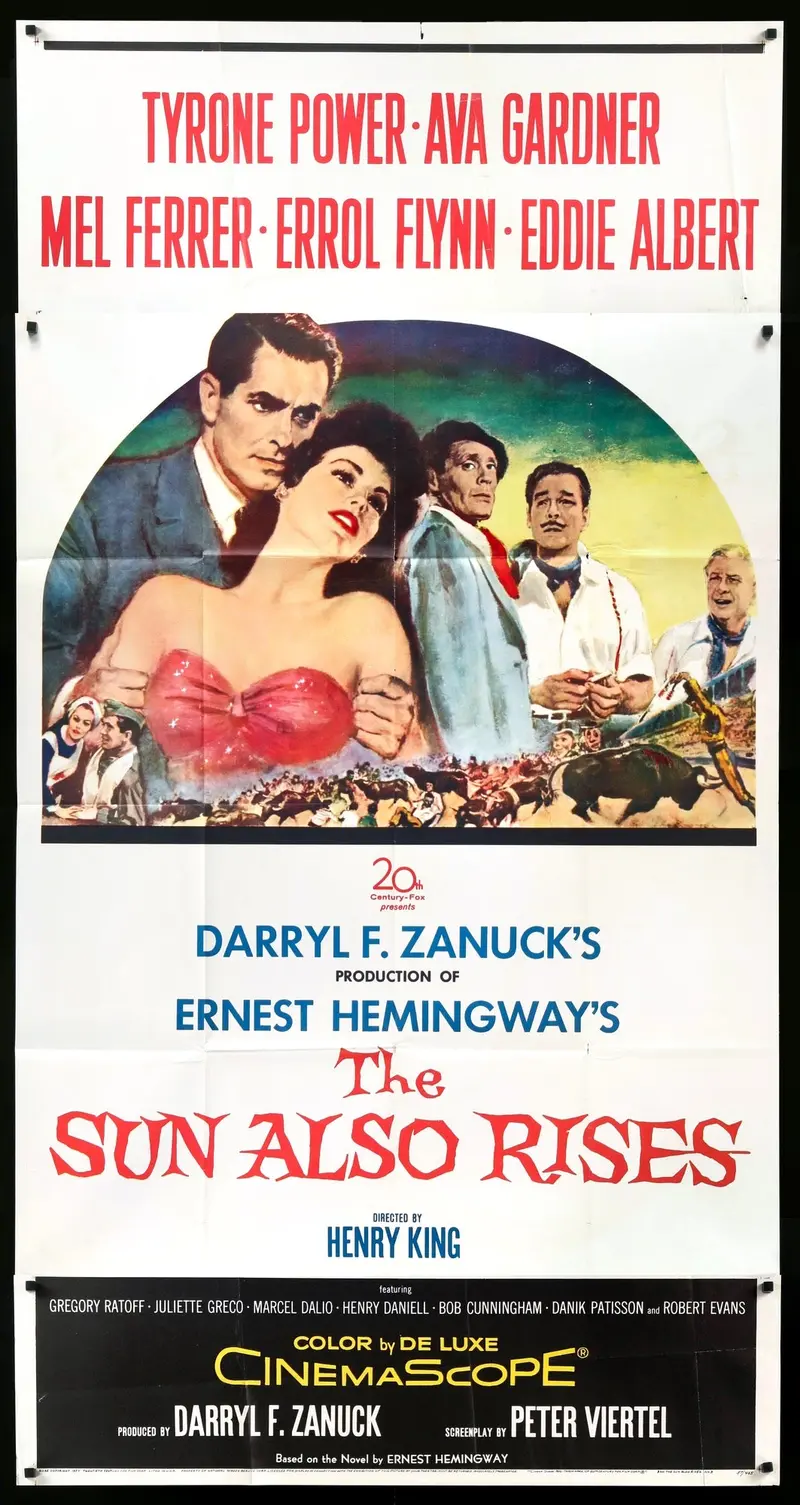
Henry King 1957
George Cukor 1956
George Sidney 1951
Albert Lewin 1951
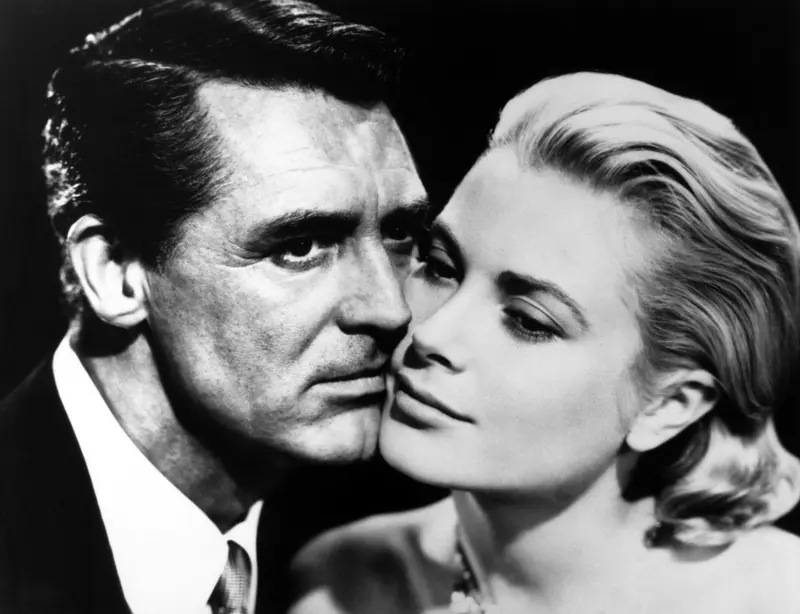
Alfred Hitchcock 1955
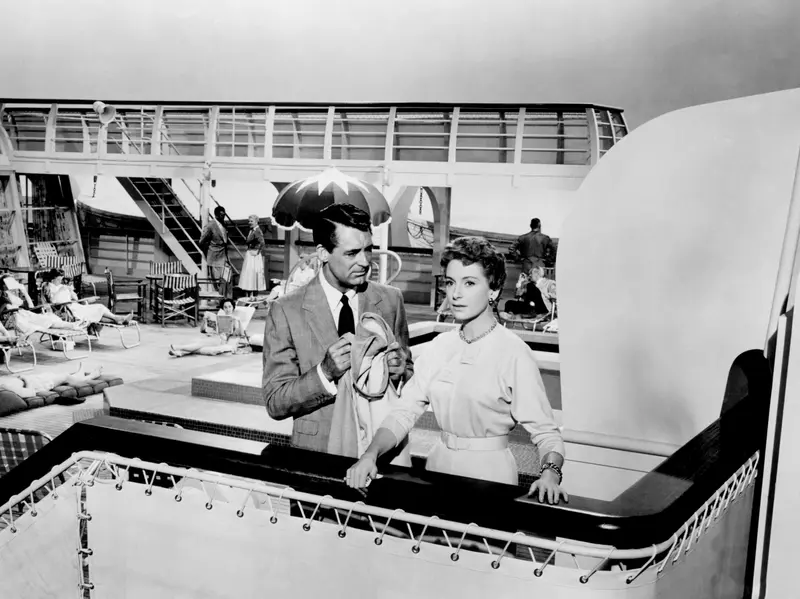
Leo McCarey 1957
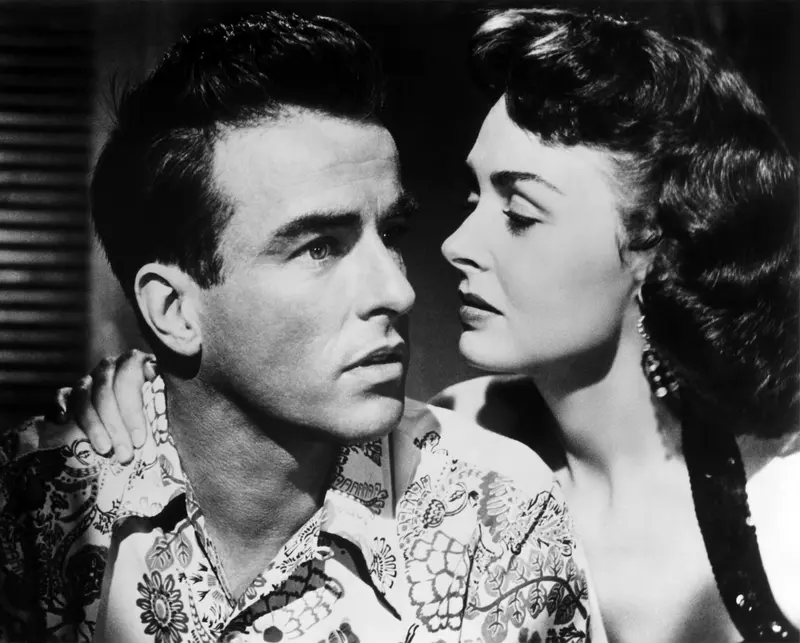
Fred Zinnemann 1953
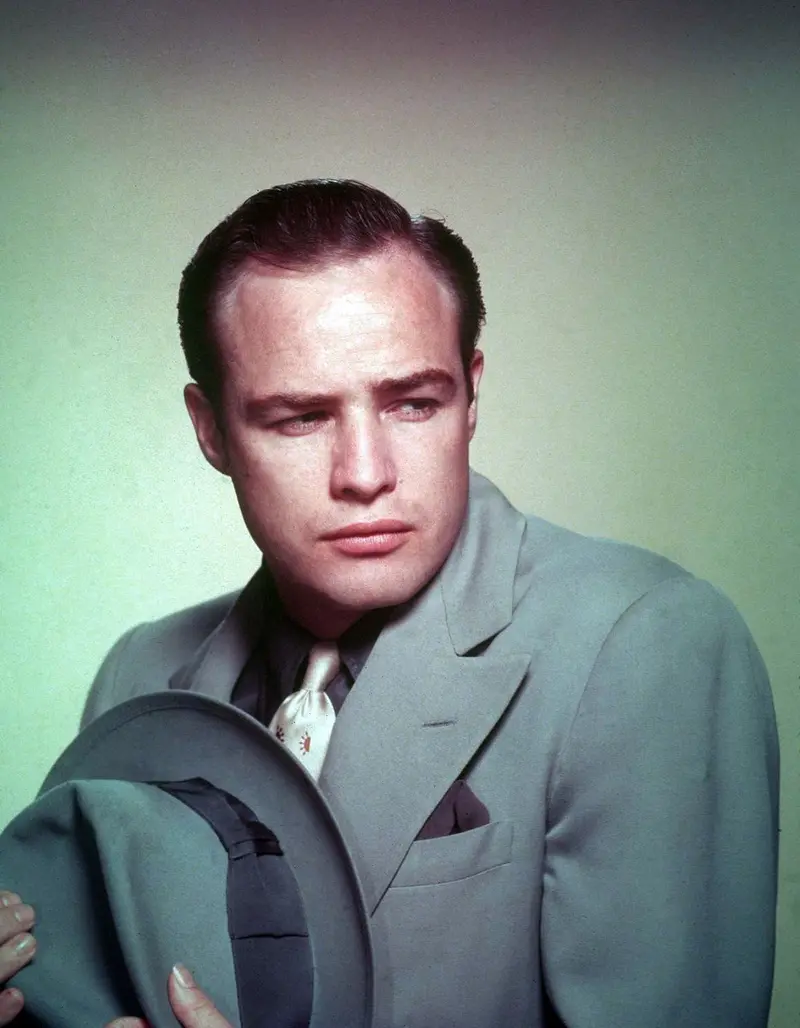
Joseph L. Mankiewicz 1955
We use Google Analytics to see which pages help. Allow it?