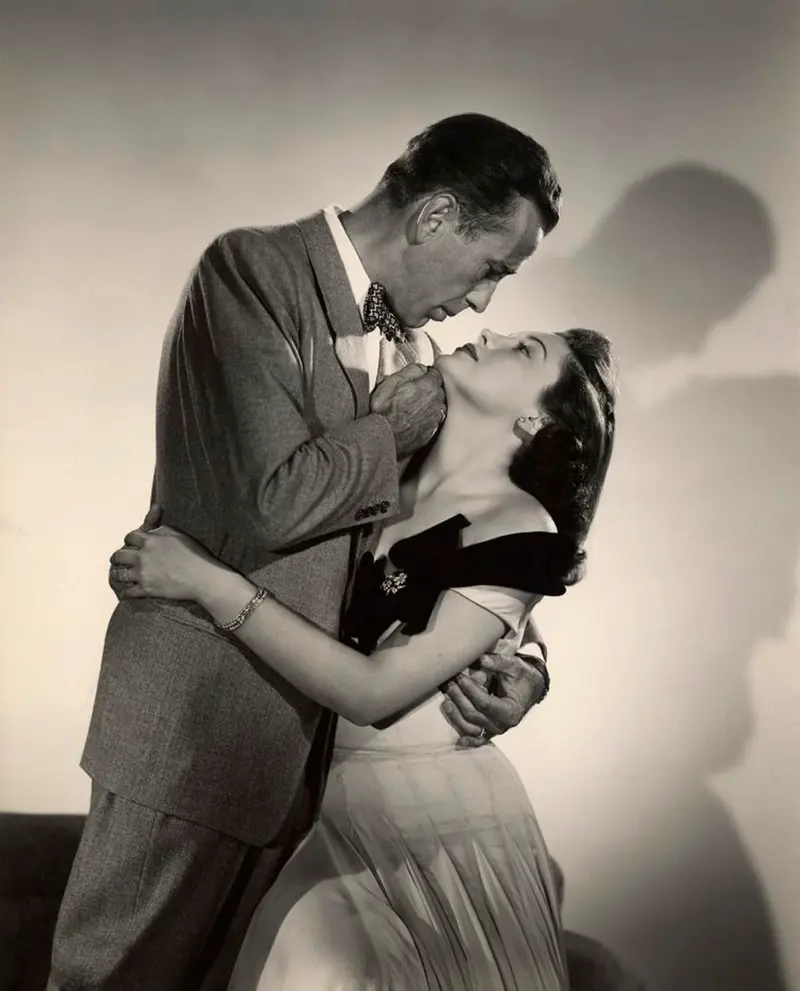
The Barefoot Contessa
Joseph L. Mankiewicz 1954
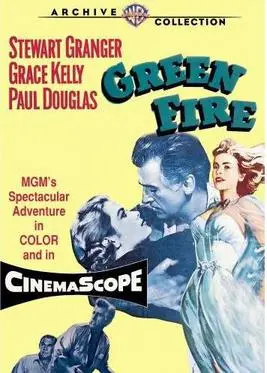
Green Fire is MGM’s 1954 CinemaScope adventure, directed by Andrew Marton, with Stewart Granger as a mining engineer working a lost emerald mine in Colombia, Grace Kelly as a coffee grower and Paul Douglas as his partner. Kelly said she accepted it for the chance to do The Country Girl, which gives it a place in the record of her career.
Not listed on Amazon right now. Search Amazon for it.
Poster: Wikipedia (fair use)
The Canadian Moving Picture Digest of 13 Nov 1954 reported that just one of the completed pictures on MGM’s fall and winter schedule was in CinemaScope. That picture was Green Fire, which the paper called “an adventurous quest” after a South American emerald mine. Stewart Granger plays the mining engineer Rian X. Mitchell, Grace Kelly plays the coffee grower Catherine Knowland, and Paul Douglas plays Mitchell’s partner, Vic Leonard. Wikipedia’s article on Kelly places the picture in a run of consecutive shoots with The Country Girl, The Bridges at Toko-Ri and Rear Window, after which she flew to the French Riviera for To Catch a Thief.
Catherine and her brother Donald (John Ericson) take Mitchell in to recuperate at their plantation, after he has found a lost emerald mine in the highlands of Colombia, last worked by the Spanish conquistadors, and has had to contend with local bandits and a jaguar. He charms her and tricks Vic into staying in the country to help him mine. His operation then draws away the workers she needs at harvest time and puts her land at risk of flooding, while the bandit chief threatens her at home.
The same Digest item of 13 Nov 1954 counted 20 pictures on MGM’s coming schedule, 13 of them in color and CinemaScope, and named Granger, Kelly and Douglas in the starring roles of Green Fire. It listed Granger in Moonfleet, a John Houseman production directed by Fritz Lang, among the pictures in editing. It listed Kelly in The Cobweb, also produced by Houseman, among those preparing to go before the cameras. The Digest’s release guide of 19 Feb 1955 showed Green Fire at the Capitol in Montreal, billed as CinemaScope and color with Granger and Kelly. Its guide of 12 Mar 1955 showed the picture at the Uptown in Toronto, with Granger alone named, and at the Capitol in St. John, with both stars named. The 19 Feb 1955 issue also reported that Photoplay gave Kelly a certificate as “the most promising actress of 1955” for her work in Paramount’s Rear Window and Country Girl.
Schary and the studio’s books disagree. According to Dore Schary, head of MGM, the picture “was a dog” and “just terrible”, made in the belief that it would bring in some money, which he said it did not do. MGM’s records, as given in Wikipedia’s article on the film, show a studio profit of $834,000, on earnings of $2,631,000 outside North America and $1,829,000 in the US and Canada. The same article reports French admissions of 2,048,836. Wikipedia’s article on Granger calls Green Fire more successful than Beau Brummell, the box-office disappointment it lists just before. Granger’s own verdict was that he had been in “the only really bad movie” Kelly ever made.
Kelly’s performance in The Country Girl, the film she held out for, earned her the Best Actress Oscar. According to Wikipedia’s article on Green Fire, MGM wanted her for the picture after Eleanor Parker dropped out, and she refused because she wanted to make the other film at Paramount. The studio refused to loan her out, and she threatened to retire. Wikipedia’s article on Kelly gives the threat in a different form, saying she would pack her bags and leave for New York for good. MGM eventually gave way and pushed back production on Green Fire. Kelly later said that she had to accept the picture for the chance at the Paramount film, and that it was “not the kind of picture” she had become an actress to make. It “taught me a lesson”, she said, the lesson being to read a script before agreeing to a role.
Wikipedia’s article on the film records that it was shot in both a CinemaScope version and a non-anamorphic 4 x 3 version, as all MGM CinemaScope films were in 1954, for cinemas that had not yet converted. Several exteriors were filmed in the Hollywood Hills off Mulholland Drive, where the company received permission to cut steps into a hillside, and interiors were finished by May. For the foreign locations the same article lists the mountains around Bogota, Buenavista, Barranquilla, Cartagena and the Magdalena River. It says the production struggled with weather and a lack of facilities, and that a recent military coup meant new permissions had to be obtained.
Accounts of the Colombia trip differ on its length. Wikipedia’s article on the film says a crew of 28, with Granger, Kelly and Douglas among them, went in April 1954 for three weeks of location work. Its article on Kelly calls the trip a 10-day shoot. Kelly told the columnist Hedda Hopper, “It wasn’t pleasant,” describing “miserable huts” and saying that “Part of the crew got shipwrecked.”
Wikipedia’s article on the film dates the casting changes that preceded the shoot, the last of them in January 1954. In that month the male role passed from Clark Gable to Granger, since Gable’s MGM contract was close to expiring and he would not sign again. Later that month the studio announced Andrew Marton as director, who had worked with Granger on King Solomon’s Mines and The Wild North. Schary had announced Richard Thorpe as director in September 1953. By October the female lead was Parker, and Ivan Goff and Ben Roberts had replaced Everett Freeman as writer. In July MGM had named Kelly as Gable’s co-star, citing her success in Mogambo. The earliest report the article gives is from January 1953, when MGM said that Freeman and the producer Armand Deutsch were going to Colombia to research the story, then planned as a Gable vehicle along the lines of that film.
The picture took its title and basis from a memoir published in 1942, which the New York Times praised for its “adventure and sense of high spirit”. Its author, Major Peter William Rainier, was a South African mining engineer who spent eleven years working in the Andes. He died in a fire at Red Lake in Canada in 1945, while inspecting mining properties. Wikipedia’s article on the film describes the picture MGM released as an Eastmancolor production, with original music by Miklós Rózsa.
Yes. The film draws on a real book, the 1942 memoir Green Fire by Major Peter William Rainier, a South African mining engineer who spent eleven years working in the Andes. Cast and crew also traveled to Colombia in April 1954 for location filming.
Yes, in box-office terms, if the question means this 1954 MGM film rather than a flame. MGM records show $1,829,000 in the US and Canada, $2,631,000 elsewhere and a profit of $834,000. Dore Schary remembered it differently, calling the picture a dog.
No. This Green Fire is a 1954 MGM adventure film about a lost emerald mine in Colombia, not a flame, so it has no temperature to set against a blue one.
Joseph L. Mankiewicz 1954
John Ford 1953
Henry King 1952
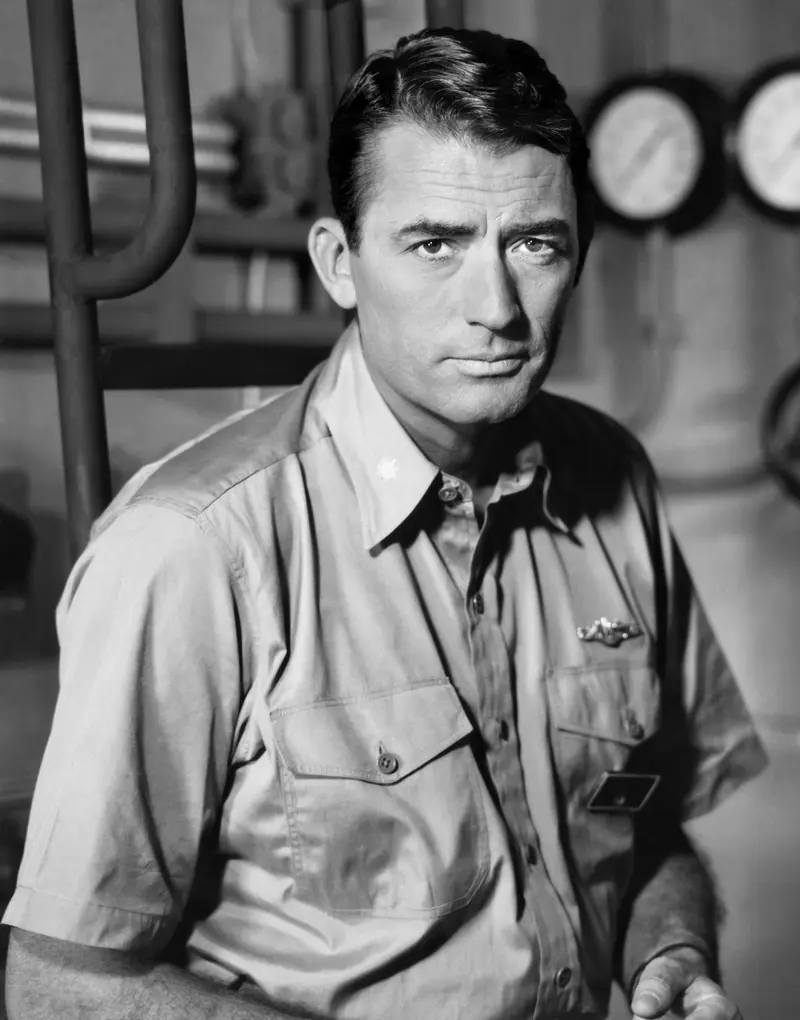
Stanley Kramer 1959
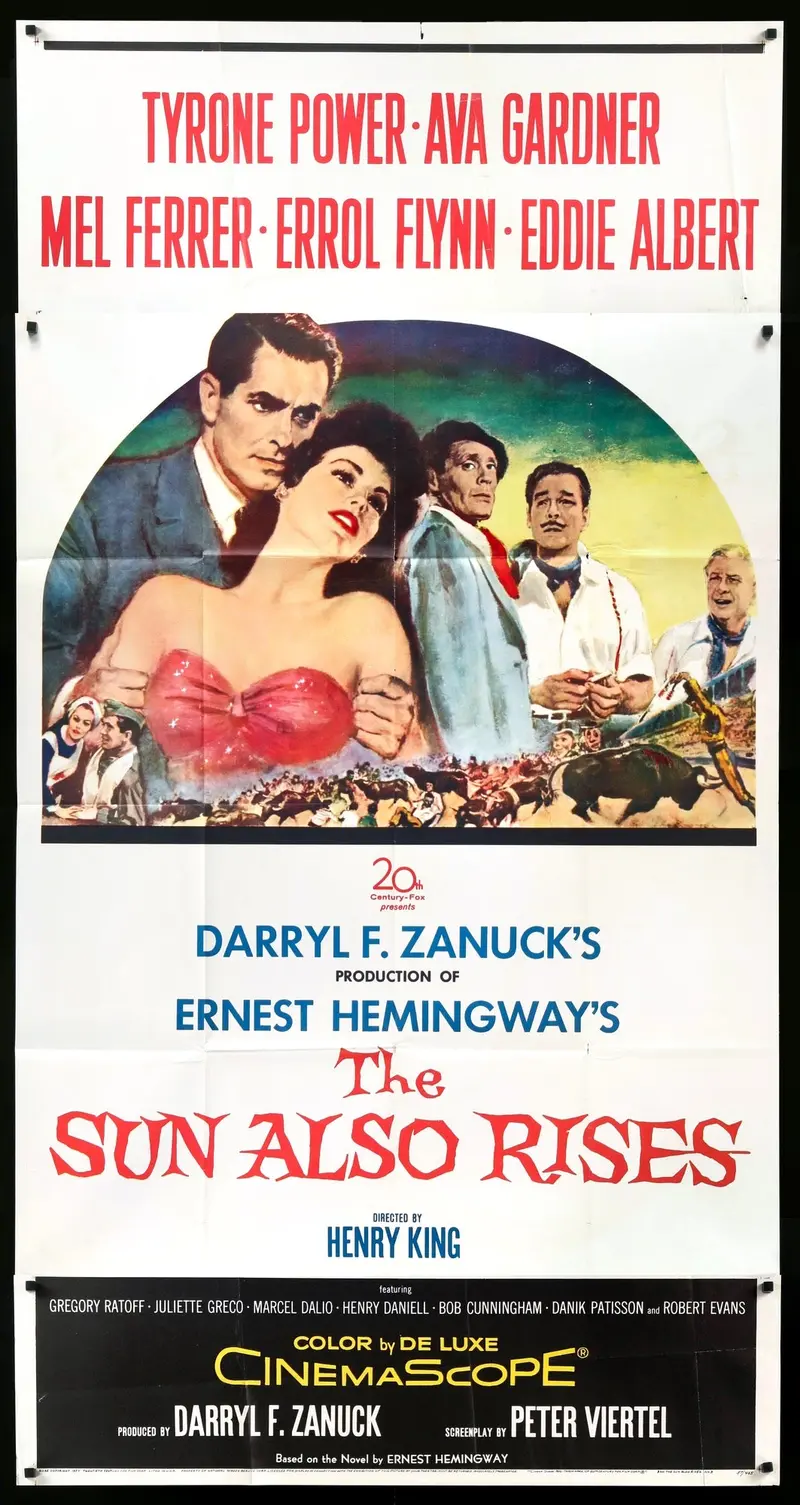
Henry King 1957
George Cukor 1956
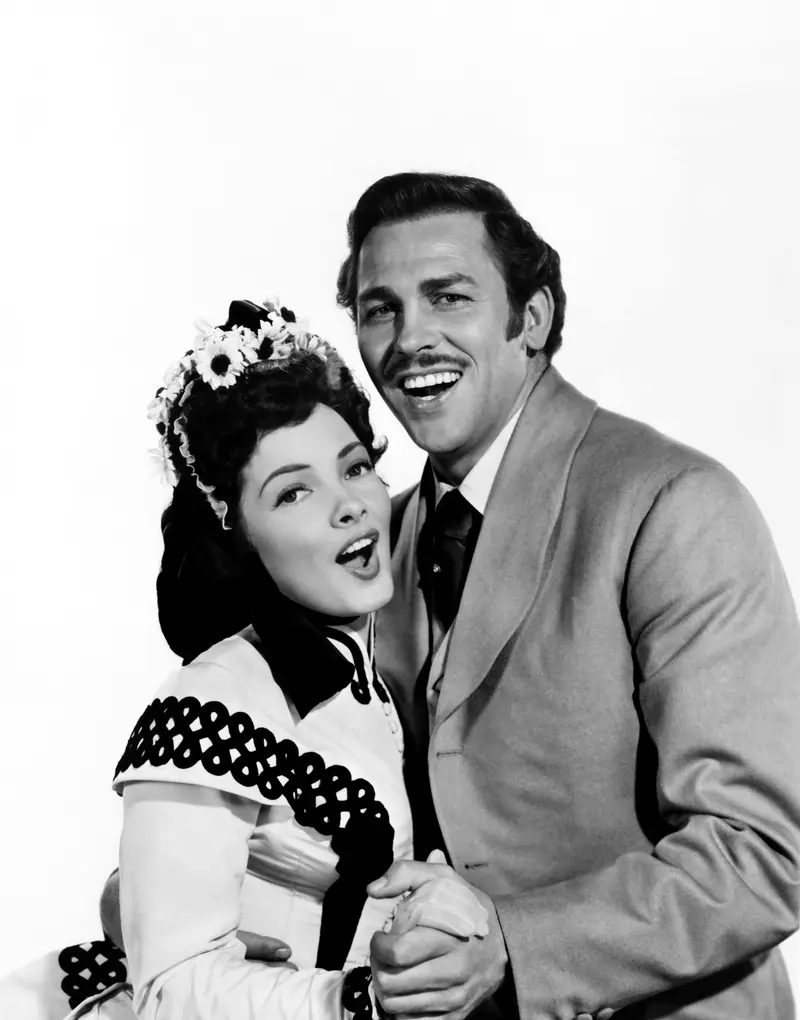
George Sidney 1951
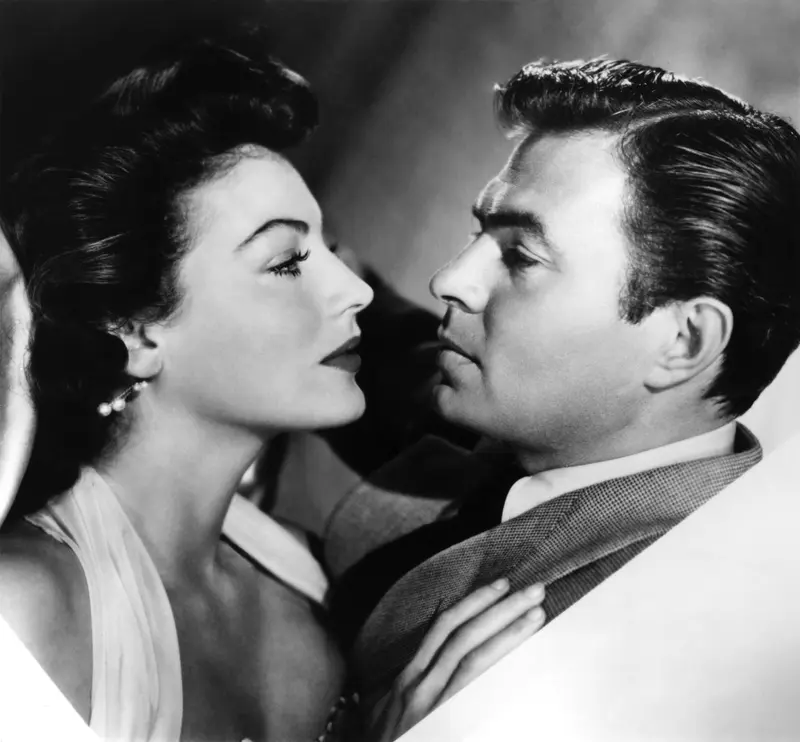
Albert Lewin 1951
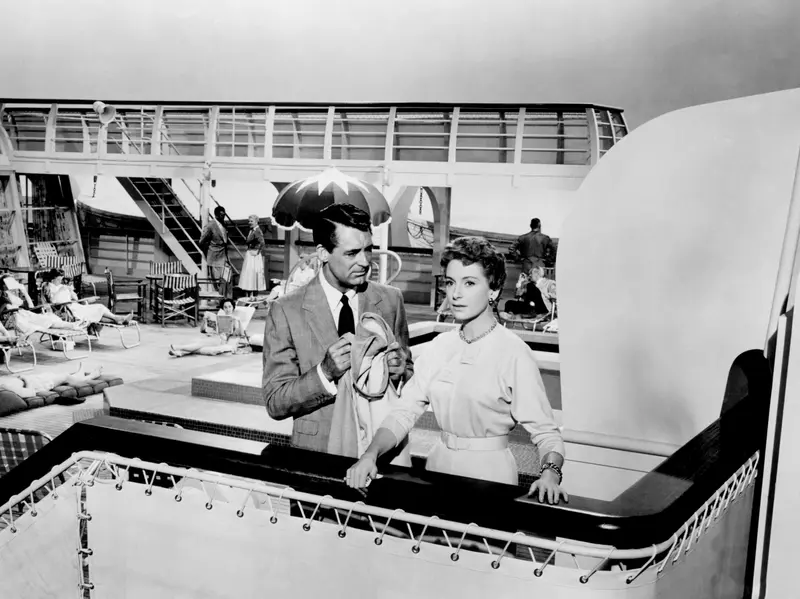
Leo McCarey 1957
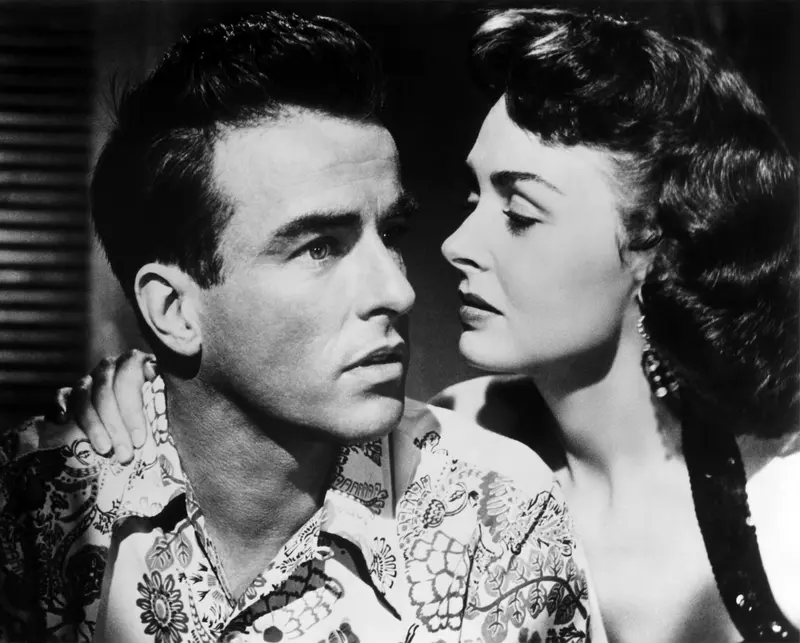
Fred Zinnemann 1953
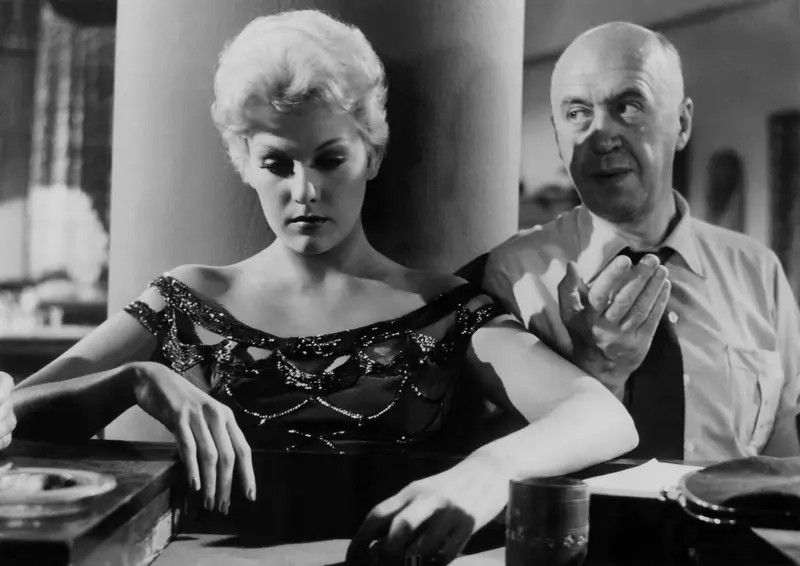
Otto Preminger 1955
Stanley Kramer 1957
We use Google Analytics to see which pages help. Allow it?