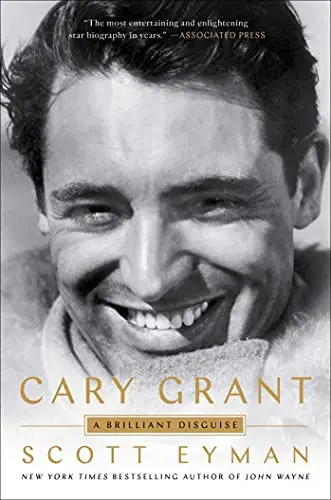
Cary Grant
Scott Eyman · 2020
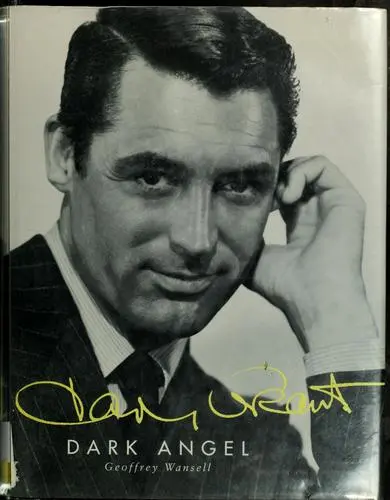
About Cary Grant
Not listed on Amazon right now. Search Amazon for it.
Cary Grant, Dark Angel is a biography of Cary Grant by Geoffrey Wansell, published in 1996 by Arcade. The publisher’s description on the Google Books record calls it a “superbly illustrated biography” with 150 photos, and says Wansell’s text traces “threads of both light and dark” in the actor. On that description, it is a book for a reader who wants Grant’s life told alongside many photographs. The two library records differ on its length: Open Library gives 192 pages and Google Books gives 200.
The catalog lists 14 other books about Grant, all classed as biographies, and 10 of them are older than this one. It is the third title there by Wansell, after Cary Grant, Haunted Idol (1983, Quill) and Cary Grant (1984, Fontana). Graham McCann’s Cary Grant, from Columbia University Press, carries the same 1996 date. Three listed books came later: Marc Eliot’s biography (2004), Dyan Cannon’s Dear Cary (2011) and Scott Eyman’s Cary Grant (2020).
The publisher’s description opens on Cary Grant as millions see him, a figure of style from Hollywood’s golden years. It calls him handsome and debonair, a man who never appeared to take himself too seriously, and it says some of the most beautiful women in movie history pursued him onscreen. Open Library files the book under two subjects, Biography and Motion picture actors and actresses. Neither record lists its chapters or quotes a review of it. Neither record says whether the 1996 text draws on Wansell’s 1983 and 1984 books about Grant.
Wikipedia’s article on Grant cites Wansell by name in its running text, but those sentences give no book title, so none of these points can be assigned to Dark Angel from the article’s wording. According to the article, Wansell notes that Grant’s mother blamed herself bitterly for the death of Grant’s brother John and never recovered from it. Wansell also claims that Grant set out intentionally to get himself expelled from school, in order to pursue a career in entertainment with the Pender troupe. The article credits Wansell as well with the view that a darker, mysterious side extended to Grant’s personal life, and that Grant went to great lengths to cover it up to keep his debonair image. On the screen work, it reports Wansell’s remark that Grant could question his own image with “the arch of an eyebrow.”
Scott Eyman · 2020
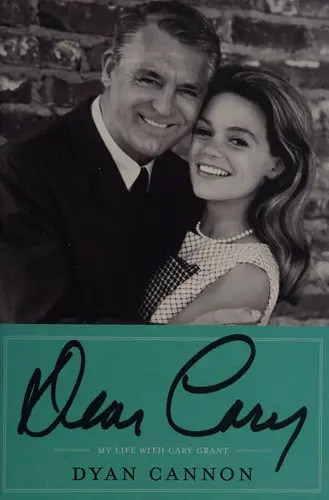
Dyan Cannon · 2011
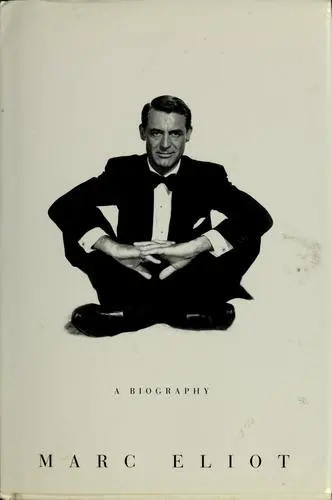
Marc Eliot · 2004
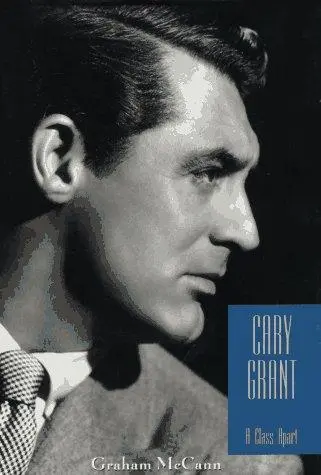
Graham McCann · 1996
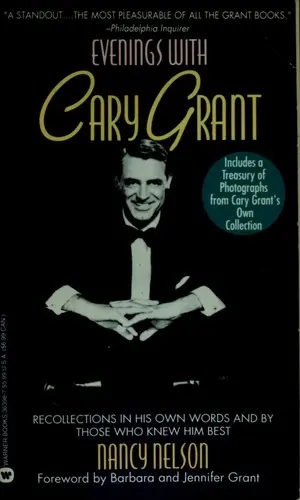
Nancy Nelson · 1991
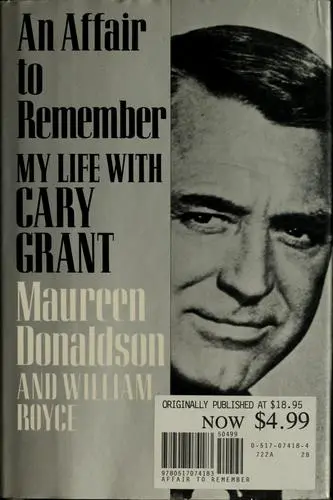
Maureen Donaldson · 1989
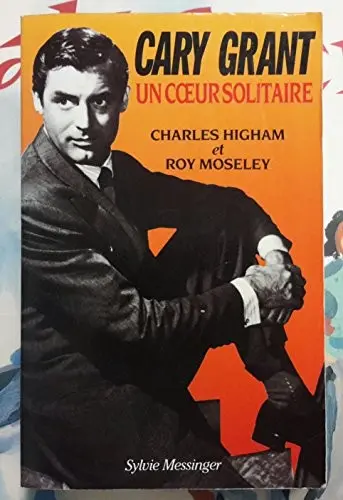
Charles Higham, Roy Moseley · 1989
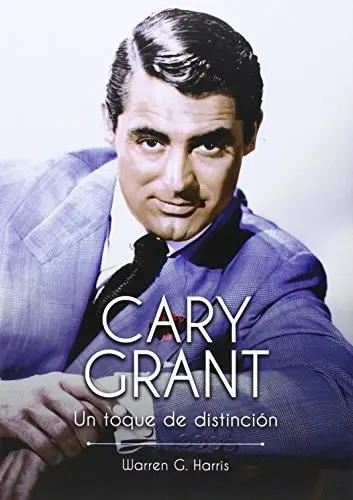
Warren G. Harris · 1987
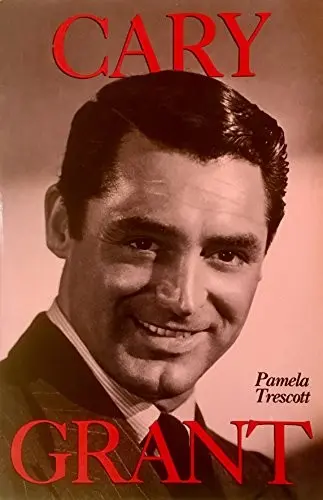
Pamela Trescott · 1987
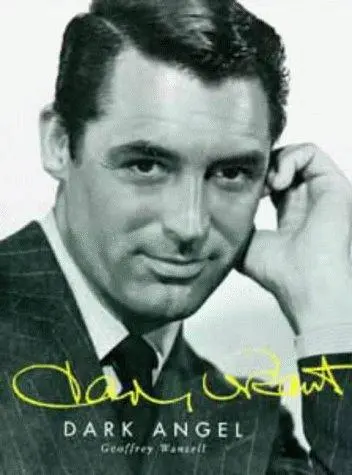
Geoffrey Wansell · 1984
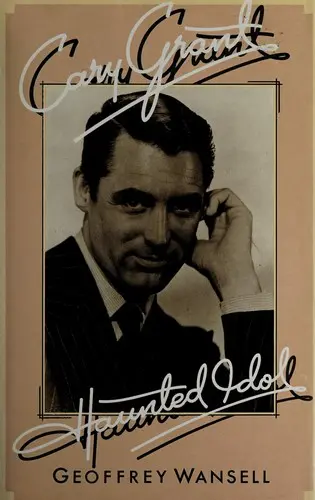
Geoffrey Wansell · 1983
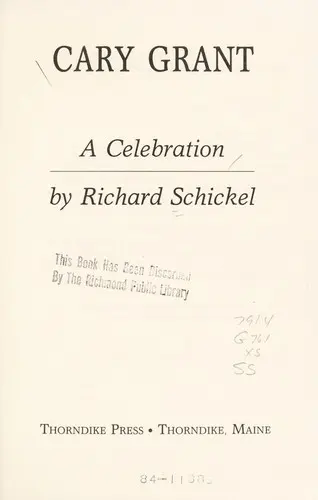
Richard Schickel · 1983
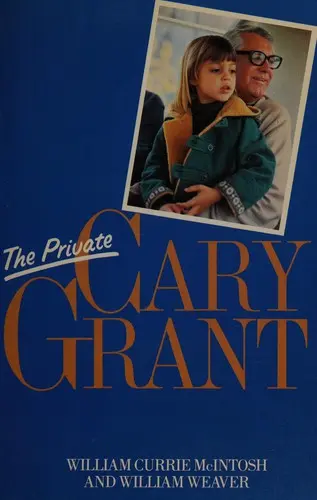
William Currie McIntosh · 1983
We use Google Analytics to see which pages help. Allow it?