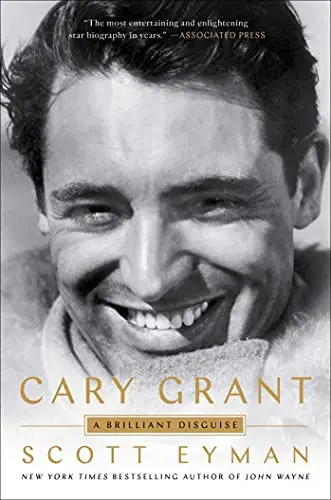
Cary Grant
Scott Eyman · 2020
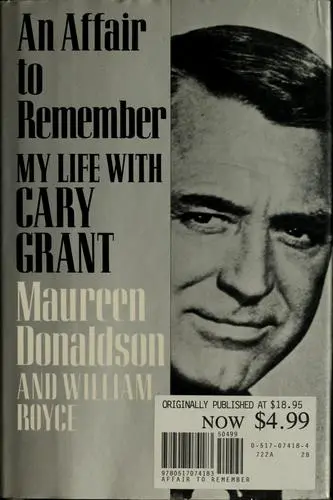
About Cary Grant
An Affair to Remember is a 288-page book by Maureen Donaldson, published by Putnam in 1989. The Google Books record gives the title with the subtitle My Life with Cary Grant. Open Library classes it as biography and files it under journalists, motion picture actors and actresses, large type books and Grant himself. Wikipedia’s entry on Grant lists a 1957 romance of the same title, made with Deborah Kerr.
Kirkus Reviews, in a notice dated Feb. 16, 1989, described the book as “the most intimate portrait” of Grant in print, with much of it “straight from the bedroom.” That notice is about a woman’s four years with Grant and what she saw there, and it does not discuss his films.
Open Library also classes as biography the books about Grant by Lionel Godfrey (1981), Richard Schickel (1983), Geoffrey Wansell (1983 and 1984), William Currie McIntosh (1983), Warren G. Harris (1987) and Pamela Trescott (1987), all earlier than Donaldson’s. Cary Grant: The Lonely Heart, by Charles Higham and Roy Moseley, carries the same year, 1989. Later titles include Nancy Nelson’s Evenings with Cary Grant (1991), Graham McCann’s Cary Grant (1996), Wansell’s Cary Grant, Dark Angel (1996), Marc Eliot’s biography (2004), Dyan Cannon’s Dear Cary (2011) and Scott Eyman’s Cary Grant (2020).
The Kirkus heading credits the book to Maureen and William Royce Donaldson, while Open Library and Google Books name Maureen Donaldson alone. Kirkus reports that Donaldson was a “post-teen Brit” when Grant, then nearly 70, started to court her in Los Angeles. The two later shared his house, which Kirkus says he remodeled without end, and the relationship ran four years. Kirkus sets out what the book counts in his favor: Grant steered her toward photography, backed her growing professional skill, took her on vacations and got on well with her parents in Bristol.
The same notice lists the other side. Kirkus says the book shows a “Jekyll/Hyde personality” that surfaced most often with drink and with the women in his life. On money, it reports that Grant accused Donaldson of stealing his toilet paper and kept an inventory of the rolls. Kirkus also says he listened in on the private conversations of his small daughter, Jennifer. Its review traces the breakup, and his marriages before it, to his mother, whom his father had committed for 20 years while letting the boy believe she was dead. In the Kirkus reading, Grant drove away each woman he loved before she could abandon him.
Kirkus adds that Grant talked openly with Donaldson about being labeled gay, and that her portrait “shrivels” the label “into meaninglessness.” The notice closes with praise for the writing and for the final pages. It predicts that Grant himself would have found the book “lamentable but a bull’s-eye.”
Wikipedia’s entry on Grant calls Donaldson a British photojournalist and dates their relationship to the years 1973 through 1977, which fits the four years Kirkus gives. The entry also bears on the mother story. It puts Grant at nine when his father committed her to Glenside Hospital, says he was 31 before he learned she was alive, and records his own acknowledgment that his experiences with her affected his relationships with women.
On the question Kirkus considers closed, the entry differs. It calls the nature of Grant’s relationship with Randolph Scott disputed among biographers, and it records that Jennifer Grant has denied her father was bisexual. After Donaldson, the entry says, Grant dated Victoria Morgan, and on 11 April 1981 he married Barbara Harris. The Open Library record gives subjects and a page count, with no description of the contents.
Scott Eyman · 2020
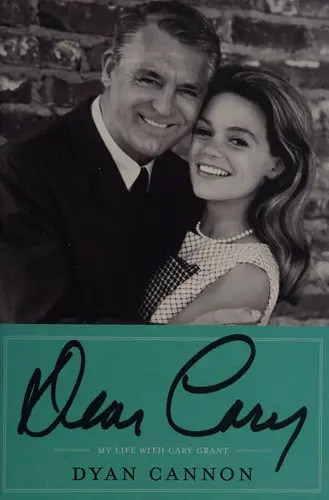
Dyan Cannon · 2011
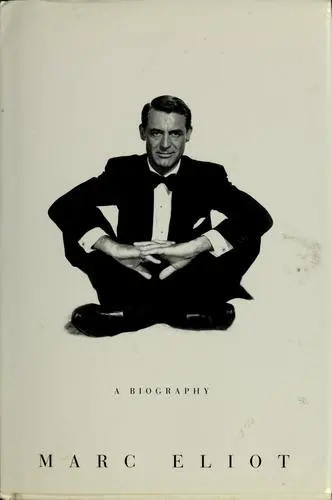
Marc Eliot · 2004
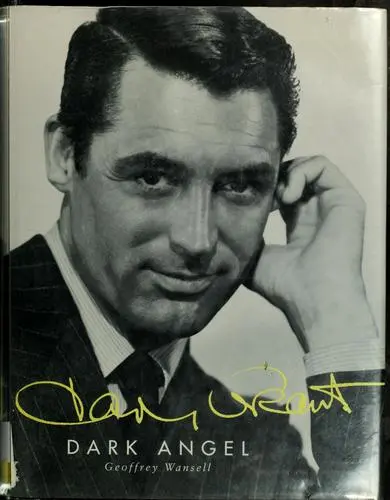
Geoffrey Wansell · 1996
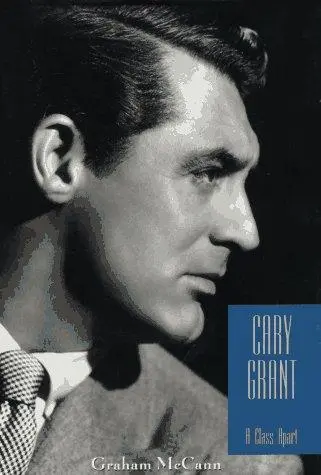
Graham McCann · 1996
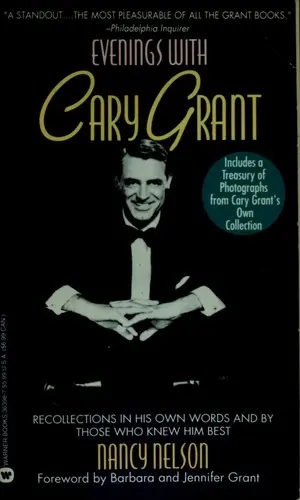
Nancy Nelson · 1991
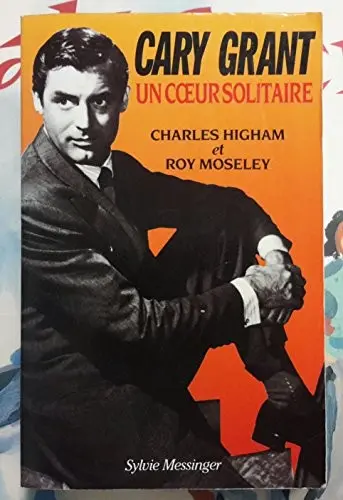
Charles Higham, Roy Moseley · 1989
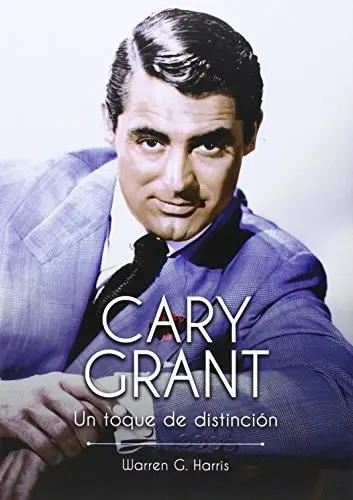
Warren G. Harris · 1987
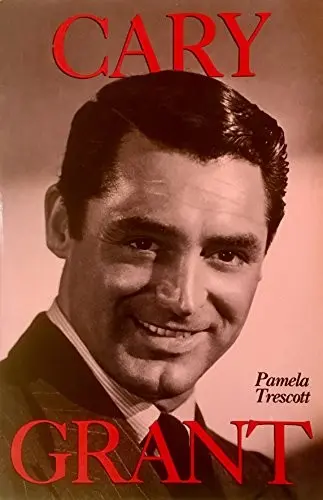
Pamela Trescott · 1987
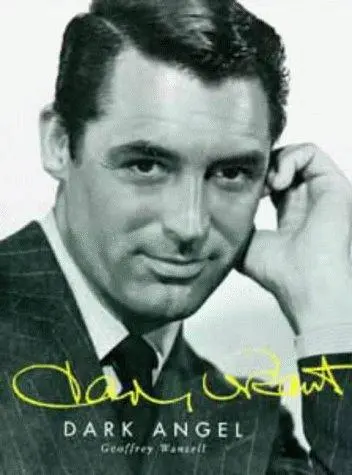
Geoffrey Wansell · 1984
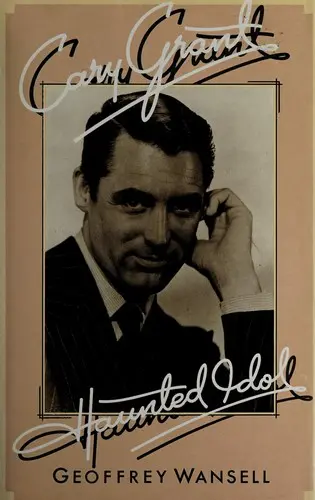
Geoffrey Wansell · 1983
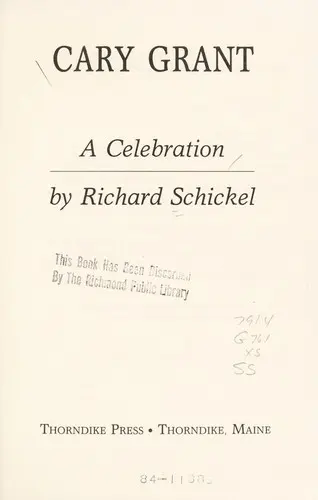
Richard Schickel · 1983
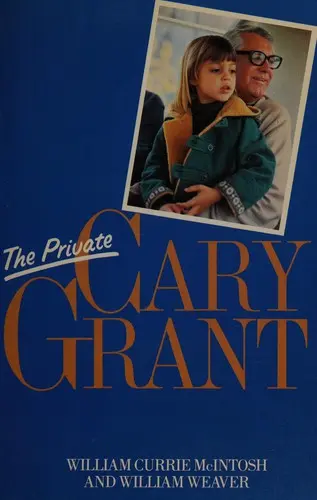
William Currie McIntosh · 1983
We use Google Analytics to see which pages help. Allow it?