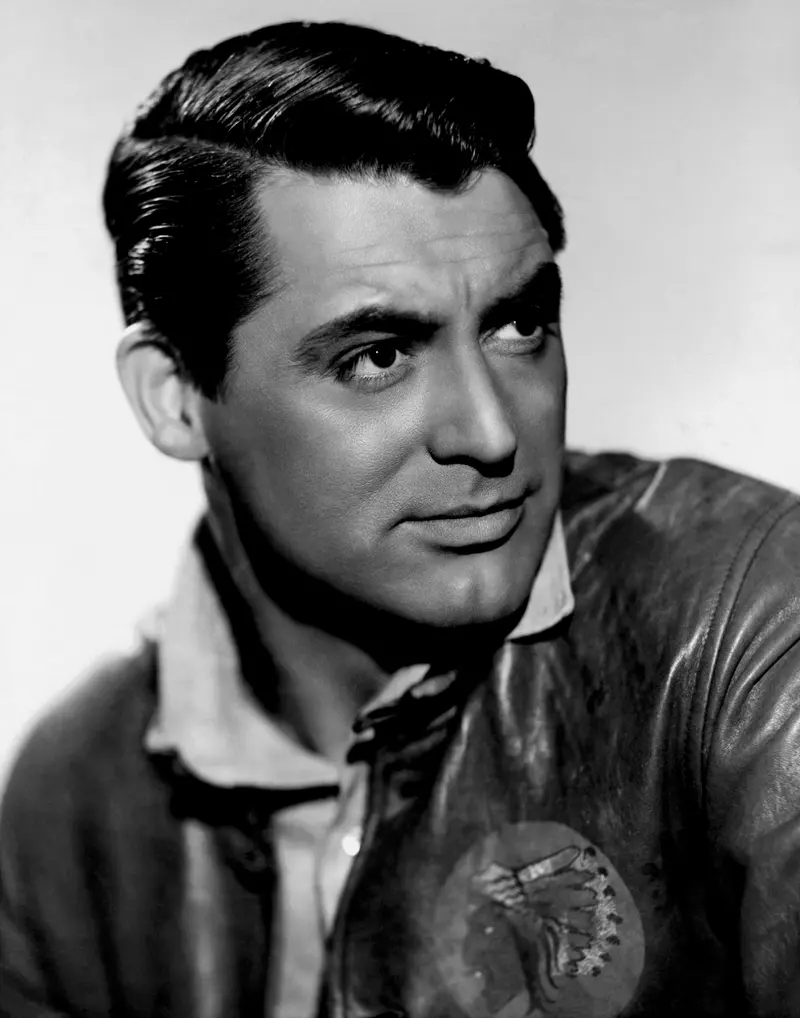
Only Angels Have Wings (1939)
- Year
- 1939
- Director
- Howard Hawks
- Studio
- Columbia Pictures
- Genre
- Drama
Synopsis
Howard Hawks’s 1939 Columbia drama follows an airmail outfit flying an Andes pass from a fictional South American port. Cary Grant plays a pilot, Jean Arthur the entertainer Bonnie Lee, and Richard Barthelmess the disgraced pilot Bat MacPherson. The New York Times praised its flying sequences, and it gave Rita Hayworth her first major role.
Watch it
Not listed on Amazon right now. Search Amazon for it.
Photo: DoctorMacro.com
The Canadian Moving Picture Digest of 19 Aug 1939 named Only Angels Have Wings among eight American pictures chosen for the International Film Festival at Cannes, set to open Sept. 1, and the Box Office Digest’s 1940 annual gave it a figure of 119 for the year. The picture is a 1939 Columbia Pictures drama directed by Howard Hawks from a story of his own. In it Cary Grant plays a pilot, Jean Arthur plays Bonnie Lee, and Richard Barthelmess plays Bat MacPherson, with Rita Hayworth as MacPherson’s wife, Judy.
“Dutchy” Van Ruyter, who owns a barely solvent airmail line, can win a government contract only if the mail keeps moving through a six-month trial, and the flying in the film is built on that deadline. His chief pilot and manager, Geoff Carter, runs Barranca Airways out of the fictional port of Barranca, sending planes through a high pass in the Andes. Bat MacPherson turns up with Judy, a former love of Carter’s. MacPherson cannot get work in the United States because he once bailed out of a plane and left his mechanic to die, and that mechanic was the brother of Carter’s best friend, “Kid” Dabb. Bonnie, a piano-playing entertainer, comes in on a banana boat and stays on after meeting Carter, despite his fatalism about the flying.
Wikipedia’s production history counts the film as the second of five that Hawks and Grant made together, a year after Bringing Up Baby. Grant worked with Hawks again on His Girl Friday and Monkey Business, and Arthur appeared with Grant again in The Talk of the Town. By Vermilye’s account, Grant’s roles in 1939 were more dramatic, though with comic undertones.
Cast
- Cary Grant
- Jean Arthur
- Richard Barthelmess
- Rita Hayworth
- Thomas Mitchell
- Allyn Joslyn
- John Carroll
- Sig Ruman
- Victor Kilian
- Noah Beery Jr.
- Don "Red" Barry
- Pat Flaherty
- Robert Sterling
- James Millican
For fans
What the trade papers reported
The Canadian Moving Picture Digest of 24 Jun 1939 listed the film at the Capitol in Winnipeg and the Capitol in Vancouver, in both cases as “starring Cary Grant and Jean Arthur.” Its issue of 19 Aug 1939 had the film in Vancouver again, at the Dominion, on a bill with Juarez. That same issue named the other seven Cannes selections, among them The Wizard of Oz, Union Pacific and Stanley and Livingstone, and said four more would be picked on the advice of the American Embassy. Wikipedia’s entry puts the Cannes selection at 12 American films and says the festival was canceled as World War II approached.
The Box Office Digest’s 1940 annual printed the 119 figure twice, under Harry Cohn’s producer credits and under Hawks in its producer-directors’ list. In Cohn’s list, Mr. Smith Goes to Washington stood at 167 and Golden Boy at 102, and the list averaged 91. The annual’s own note explains its scale through Jesse James, which at 182 ran 82% above normal business. Its table of the Big Ten pictures of 1939 does not include Only Angels Have Wings, although it does include Gunga Din with Grant at $3,100,000 and Mr. Smith Goes to Washington with Arthur at $2,700,000. Wikipedia’s entry on the film disagrees with that table, calling it the third-highest-grossing film of 1939 and giving its total as over one million dollars, with $143,000 from its first two weeks at Radio City Music Hall.
The reviews
Wikipedia’s entry summarizes two reviews from the release. Frank S. Nugent wrote in The New York Times that Hawks had “staged his flying sequences brilliantly,” and credited the “amiable performing talents” of Grant, Arthur, Thomas Mitchell, Barthelmess and Sig Rumann. Abel Green of Variety compared the film favorably to Flight From Glory and praised Barthelmess. Among later reviewers, Geoffrey Macnab of The Independent praised the aerial sequences, and Peter Bradshaw of The Guardian gave it 4 stars out of 5 and called it “eccentric and entertaining.” Metacritic shows 86 out of 100 from 10 critics, and Rotten Tomatoes shows 100% from 32 reviews.
Later accounts
The 2022 Sight and Sound poll placed the film in a tie for 122nd, and the Library of Congress named it to the National Film Registry in 2017. Dave Kehr called it the “equilibrium point” of Hawks’s career, linking his early 1930s themes to his darker work of the 1940s and 1950s. Critics at Cahiers du Cinéma held up the film in the 1950s as support for the auteur theory. Roy Davidson and Edwin C. Hahn were nominated for the Academy Award for special effects, and Wikipedia’s entry adds that the film reached a preliminary list for black-and-white cinematography without a nomination.
Radio took up the story twice. Orson Welles and Joan Blondell starred in a version on The Campbell Playhouse on February 25, 1940, and before that Grant, Arthur, Hayworth, Barthelmess and Mitchell had repeated their parts on Lux Radio Theatre on May 29, 1939. The film itself had opened at the Pantages Theater in Los Angeles on May 10, 1939, twelve days after its last re-shoots, and had its official world premiere at Radio City Music Hall the next day.
Wikipedia’s account of the aircraft says Paul Mantz flew a Boeing Model 40 biplane in an aerobatic scene that repeated his work in Flight from Glory. A prop model of the Hamilton aircraft surfaced in 2007 on the U.S. Antiques Roadshow, and its owner had matched it to the screen. The same account of the shoot says main shooting ended on March 24, 1939, 31 days behind schedule, after cameras first rolled on December 19, 1938, at the Columbia Studio Ranch. Hawks worked in story order when he could. The second unit then spent several weeks filming aircraft around the western United States. April retakes involved Grant and Victor Kilian, and Charles Vidor directed two days of re-shoots with Hayworth.
In a 1972 interview, Arthur said she loved “sinking my head into Cary Grant’s chest.” Years after the shoot, having seen Lauren Bacall in To Have and Have Not, she apologized to Hawks and said she finally understood what he had wanted. On the set the two had argued, and she was uneasy with his coaching toward a variation of the Hawksian woman, until she gave in unhappily. Hawks had chosen her after watching her in Frank Capra’s films, and he later said she had been good in the film.
Wikipedia’s production history calls this Hayworth’s breakout role as well as her first major one, and notes a Look magazine cover after the film’s success. Hawks first gave Judy to Dorothy Comingore. Cohn had been grooming a young starlet, and with his backing her agent insisted Hawks screen-test Hayworth, who won the part. The same account says Barthelmess was a disputed choice because an operation under his eyes had gone wrong and left X-shaped scars. He usually hid them with heavy make-up, and Hawks wanted them used for the character. Barthelmess’s own entry calls this his most notable late character part, the disgraced flier married to Hayworth’s character. Wikipedia also notes that Grant calls after that character with “Judy, Judy,” the nearest he came on film to the misquotation attached to him.
The script stayed unfinished through the shoot, by Wikipedia’s account, with Hawks and Jules Furthman doing most of the rewriting and Eleanore Griffin and William Rankin contributing. Hawks had been struck by aviation staff he met in Mexico while scouting Viva Villa! He reworked the scenario himself from a story he wrote in 1938, Plane from Barranca. The original outline was Anne Wigton’s, under the working title Plane No. 4.
Quick answers
What is Only Angels Have Wings about?
Only Angels Have Wings is about the pilots of a barely solvent airmail line flying a high Andes pass out of a South American port. Manager Geoff Carter must risk his fliers while the owner chases a government contract, and an entertainer, Bonnie Lee, falls for him.
Is Only Angels Have Wings a good movie?
Yes. Frank S. Nugent of The New York Times wrote on its release that Hawks had “staged his flying sequences brilliantly,” and the Library of Congress named it to the National Film Registry in 2017. The 2022 Sight and Sound poll placed it in a tie for 122nd.
Where was Only Angels Have Wings filmed?
Only Angels Have Wings was filmed first at the Columbia Studio Ranch, starting December 19, 1938. After main shooting ended on March 24, 1939, a second unit spent several weeks filming aircraft at locations around the western United States.
Where is Only Angels Have Wings set?
Only Angels Have Wings is set in Barranca, a fictional port town in South America. The mail route runs from there through a high pass in the Andes. Hawks drew on aviation staff he had met in Mexico while scouting Viva Villa!
Stills
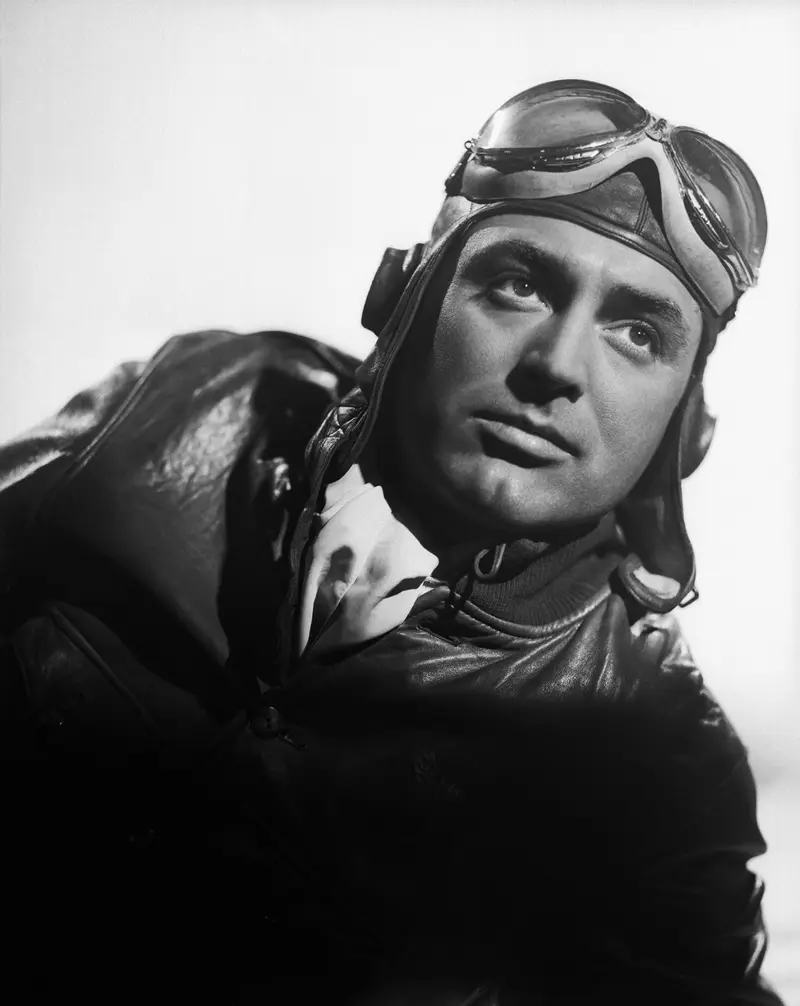
Photo: DoctorMacro.com 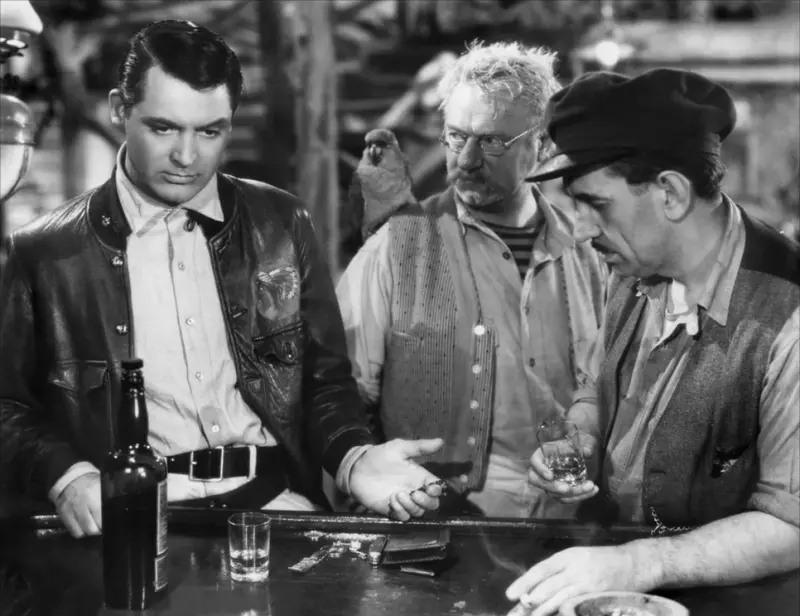
Photo: DoctorMacro.com