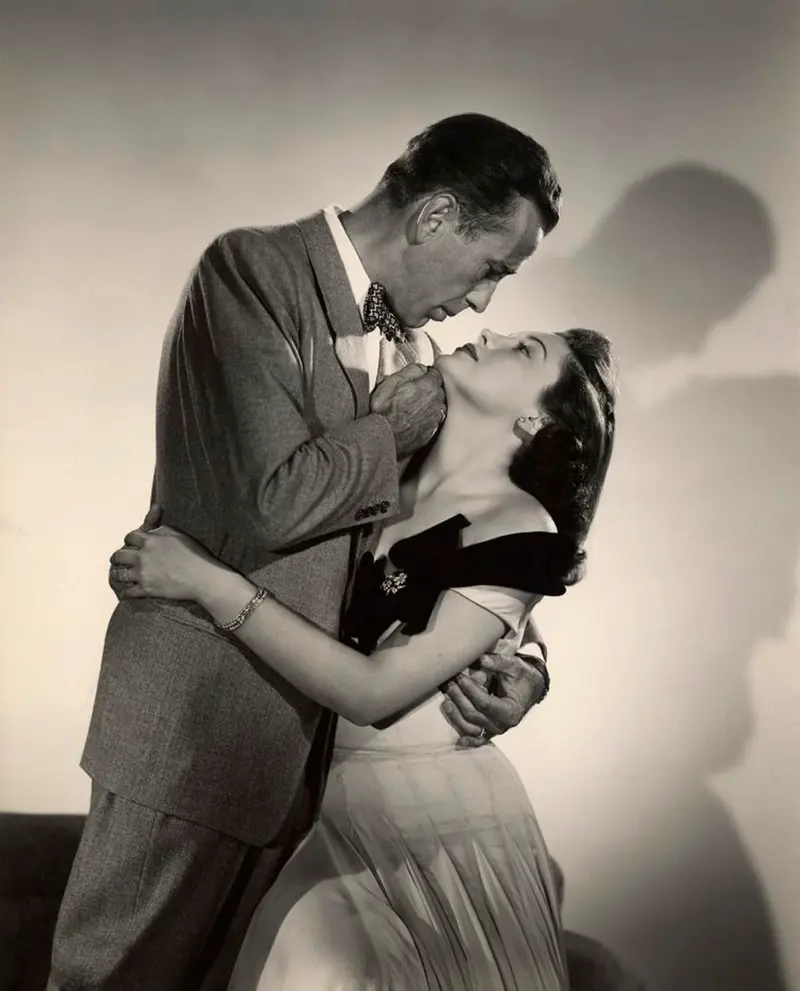
The Barefoot Contessa
Joseph L. Mankiewicz 1954
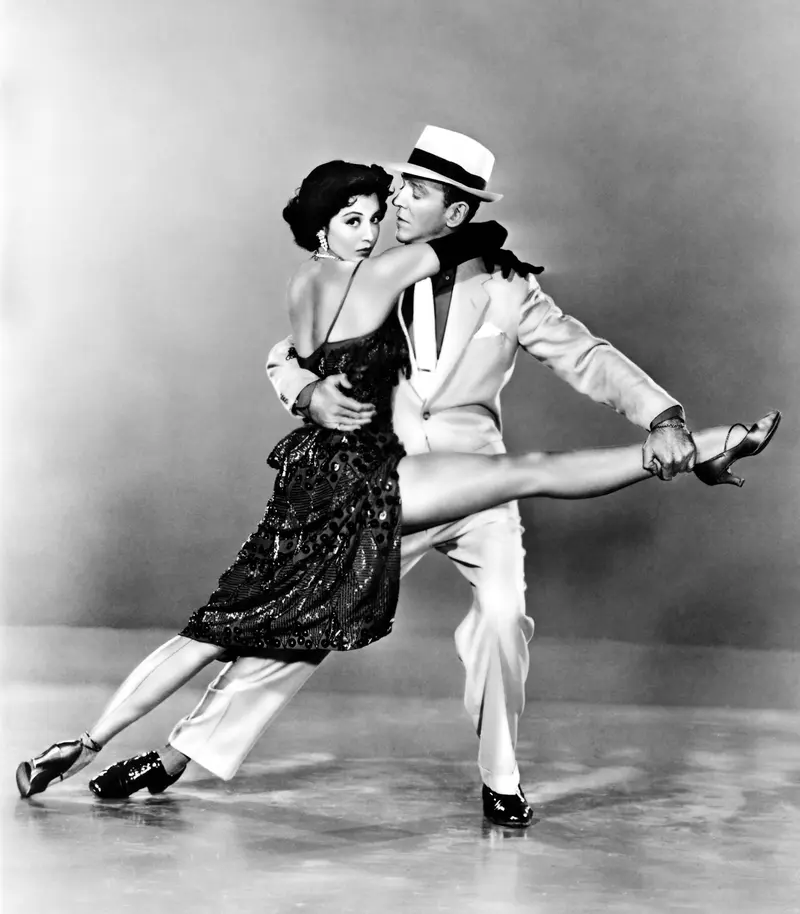
Fred Astaire plays Tony Hunter, a forgotten musical star attempting a Broadway comeback, in Vincente Minnelli’s 1953 MGM musical. Jack Buchanan is the director who turns the show into a Faust drama and Cyd Charisse the ballerina who clashes with Hunter. The songs include “Dancing in the Dark” and “That’s Entertainment!”, and Martin Scorsese has listed it as his favorite musical.
Photo: DoctorMacro.com
The Band Wagon is a 1953 Metro-Goldwyn-Mayer musical directed by Vincente Minnelli, in which Fred Astaire plays Tony Hunter, Cyd Charisse plays Gabrielle Gerard and Jack Buchanan plays Jeffrey Cordova. Nanette Fabray and Oscar Levant play the writing couple Lily and Lester Marton. The Canadian Moving Picture Digest of 22 Aug 1953 named those three stars, reported a gross of $635,000 at Radio City Music Hall up to the fourth week, and called the film the top-money show then running in New York City. MGM’s records tell a different story for the whole release: a loss of $1,185,000. Modern accounts of Astaire’s career say that MGM dismissed him soon afterward, along with most of its other remaining stars, and they give television and the streamlining of film production as the reasons.
The story turns on a show in trouble. Hunter has gone three years without a picture and has returned from Hollywood to New York, where the Martons have written a light musical comedy as his comeback. Cordova, who is starring in and directing his own version of Oedipus Rex, hears their outline as a retelling of the Faust legend and has it rewritten as a dark musical drama. The ballerina Gerard arrives with her boyfriend and choreographer, Paul Byrd (James Mitchell), and she and Hunter start out hostile because each feels less talented than the other. A disastrous tryout in New Haven then forces a decision about what kind of musical it is to be.
For viewers who want the number cut from the release, Charisse’s “Two-Faced Woman,” the footage is included with the 2005 DVD. “That’s Entertainment!” was written specifically for the film by Howard Dietz and Arthur Schwartz, who adapted parts of the score from a 1931 Broadway revue of the same title that starred Fred and Adele Astaire.
Exhibitor’s release charts in its May to July 1953 volume carried the picture under the heading “To be reviewed or in production,” with Fred Astaire, Charisse (spelled “Chariss”) and Fabray named and Technicolor noted. The same list names Ava Gardner on the line for Knights of the Round Table, not on the line for The Band Wagon. In the film she appears as herself: reporters at Grand Central Terminal are there by chance because she is on Hunter’s train, and they nearly ignore him. Wikidata’s cast listing places her fifth, after Buchanan, while a modern cast breakdown counts her among the unbilled players.
Exhibitor of 5 Aug 1953 reported that the picture was helping MGM to a new high in attendance and grosses at Radio City Music Hall. Its Broadway column, headed “‘Band Wagon’ Still Strong On B’way,” drew on sources it described as usually reliable. The column gave $93,000 for a Thursday through Sunday at the Music Hall, with a stage show, and expected more than $155,000 for the fourth week. In the same column, Gentlemen Prefer Blondes at the Roxy, with an ice show, reported $84,000 for a Wednesday through Sunday.
The same Exhibitor issue forecast that The Band Wagon would become the seventh MGM production to reach $1 million at the Music Hall and the ninth to draw more than a million people. The paper listed the marks it was chasing, led by The Great Caruso at $1,391,000 over 10 weeks, with Ivanhoe second at $1,257,000 and Show Boat third at $1,160,000 for eight weeks. It noted close to half a million dollars over a 21-day period and expected a run of at least seven or eight weeks. Exhibitor added that nine earlier MGM pictures had taken $8,993,000 there over 73 weeks, and it predicted that a tenth would lift the total past $10 million.
The Canadian Moving Picture Digest of 22 Aug 1953 ran its item under the headline “Band Wagon Rolls in the Dough” and put the fourth week at $153,000, slightly under Exhibitor’s expectation. The same Digest issue listed the film in its third week at the Uptown in Toronto, in Technicolor, with Astaire the only player named. A later account gives the final Music Hall figure as $1,044,000 in seven weeks and counts it among the higher grosses at that theater.
A modern account of Fred Astaire’s career says the film received rave reviews from critics. Later critics supply most of the quoted judgments. Martin Scorsese has listed the film as his favorite musical. Leonard Maltin gave it four of four stars and wrote that it “improves with each viewing.” Leslie Halliwell praised its “bare minimum of plot” and rated its technical accomplishment “very high.”
In a 1999 Guardian article, Derek Desmond credited Minnelli with “almost perfect control” and said that the film’s seamless quality sometimes causes people to underrate it. Pauline Kael found the script by Betty Comden and Adolph Green less consistently fresh than their Singin’ in the Rain, but ranked few screen musicals with this one and called Astaire and Buchanan “two great song-and-dance men.” She wrote that Charisse’s “phenomenal legs” around Astaire excused both her three minutes of ballet and line readings that sounded as if she “learned them phonetically.”
MGM’s records, as later reported, show rentals of $1,202,000 in other countries and $2.3 million in the United States and Canada. Against those figures stands the $1,185,000 loss. Modern accounts differ in how they describe this: one calls the film a box-office disappointment at first, while another says it drew huge crowds and failed to make a profit on first release because of its high cost. A modern account of Charisse’s career says the film lost money for MGM at first and was acknowledged as a classic later.
Oliver Smith designed the production, his first work in motion pictures. Adolph Deutsch was the musical director and Conrad Salinger wrote the orchestrations. The film drew Academy Award nominations for color costume design, for musical scoring and for story and screenplay, the last going to Comden and Green. They modeled the Martons on themselves, although the two writers were not a romantic couple and the characters are married. A filmography of Levant’s career records his Lester Marton as based on Green. The impresario Cordova was developed with José Ferrer in mind.
Michael Kidd, named as Fred Astaire’s co-choreographer on the film, later recounted that he cared about the emotional motive behind a dance and that Astaire did not share the concern. In Kidd’s telling, “Technique was important to him,” and Astaire would say, “Let’s add the looks later.” Minnelli said of Astaire in general that “He always thinks he is no good.” Jazz arranger Skip Martin reworked “A Shine on Your Shoes,” written for the 1932 revue Flying Colors, as a specialty number. Modern accounts record it as Astaire’s only on-screen dance with a black dancer, the uncredited Leroy Daniels.
Charisse had danced with Astaire in Ziegfeld Follies and rejoined him in Silk Stockings. A modern account of her career describes this as the lead female role, with “Dancing in the Dark” and the “Girl Hunt Ballet” as her routines with Astaire. In his autobiography, Steps in Time, Astaire called her “beautiful dynamite” and wrote that “you stay danced with.” Her own autobiography, comparing Astaire with Gene Kelly, rated Astaire’s coordination the better and said “his sense of rhythm is uncanny.”
The MGM retrospective That’s Entertainment! III (1994) first brought to the public the Charisse version of “Two-Faced Woman,” the number dropped from the film. The singing on it, as on her other songs, was dubbed by India Adams, and Adams’ recording was reused for a Joan Crawford number in Torch Song (1953).
A stage adaptation titled Dancing in the Dark ran at the Old Globe in San Diego from March 4 to April 20, 2008, directed by Gary Griffin, with a book by Douglas Carter Beane and Scott Bakula as Hunter. Bob Verini wrote in Variety that it could succeed once it shed its “extraneous and self-contradictory elements.” Michael McKean, Tracey Ullman and Brian Stokes Mitchell were in the cast when a revised version under the original title played as a staged concert at New York City Center Encores! in November 2014, directed and choreographed by Kathleen Marshall.
The Girl Hunt Ballet, inspired by Mickey Spillane’s novels, is named as a heavy influence on Michael Jackson’s “Smooth Criminal” video, and “That’s Entertainment!” was used in Joker: Folie à Deux (2024). The American Film Institute ranked the film number 17 among best musicals in 2006, and the Library of Congress selected it for the National Film Registry in 1995.
Yes. The Band Wagon is a 1953 MGM musical romantic comedy directed by Vincente Minnelli, with songs by Arthur Schwartz and Howard Dietz. The Canadian Moving Picture Digest of 22 Aug 1953 called it MGM’s musical when it reported a $635,000 gross at Radio City Music Hall up to its fourth week.
Bandwagon here is a title: The Band Wagon names both this 1953 film and a 1931 Broadway revue by Arthur Schwartz and Howard Dietz, with Fred and Adele Astaire. Parts of the film’s score were adapted from that revue. The Canadian Moving Picture Digest of 22 Aug 1953 headlined its item “Band Wagon Rolls in the Dough.”
No first singer of “Wagon Wheel” can be named from The Band Wagon, because no number of that name appears among the film’s musical numbers. Some listed numbers did begin on stage: “By Myself” was introduced in Between the Devil, and “Louisiana Hayride” in Flying Colors.
Joseph L. Mankiewicz 1954
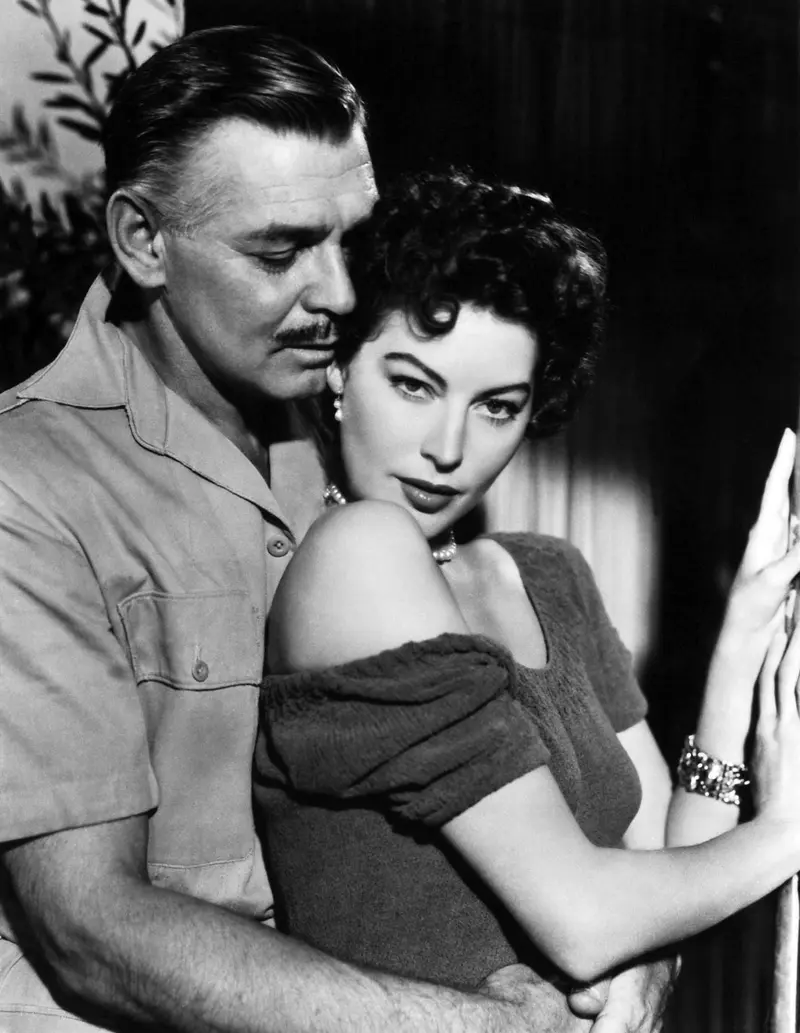
John Ford 1953
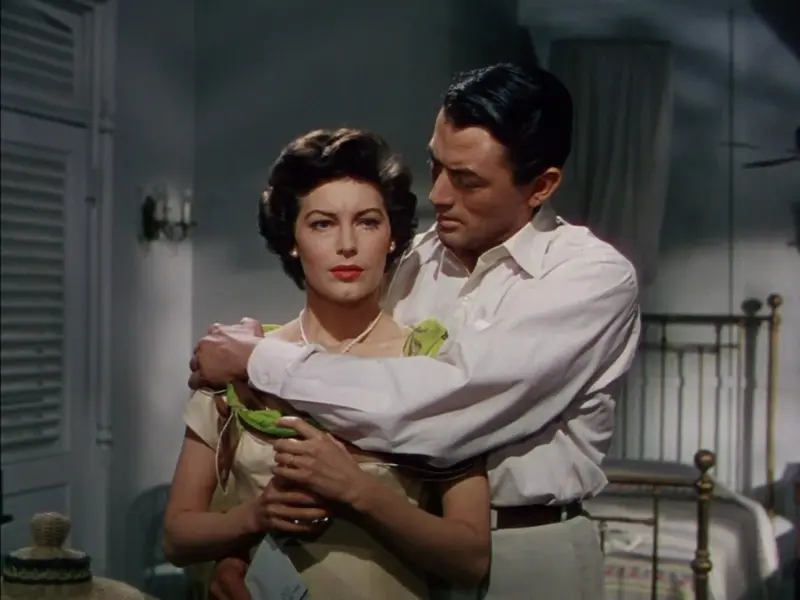
Henry King 1952
George Cukor 1956
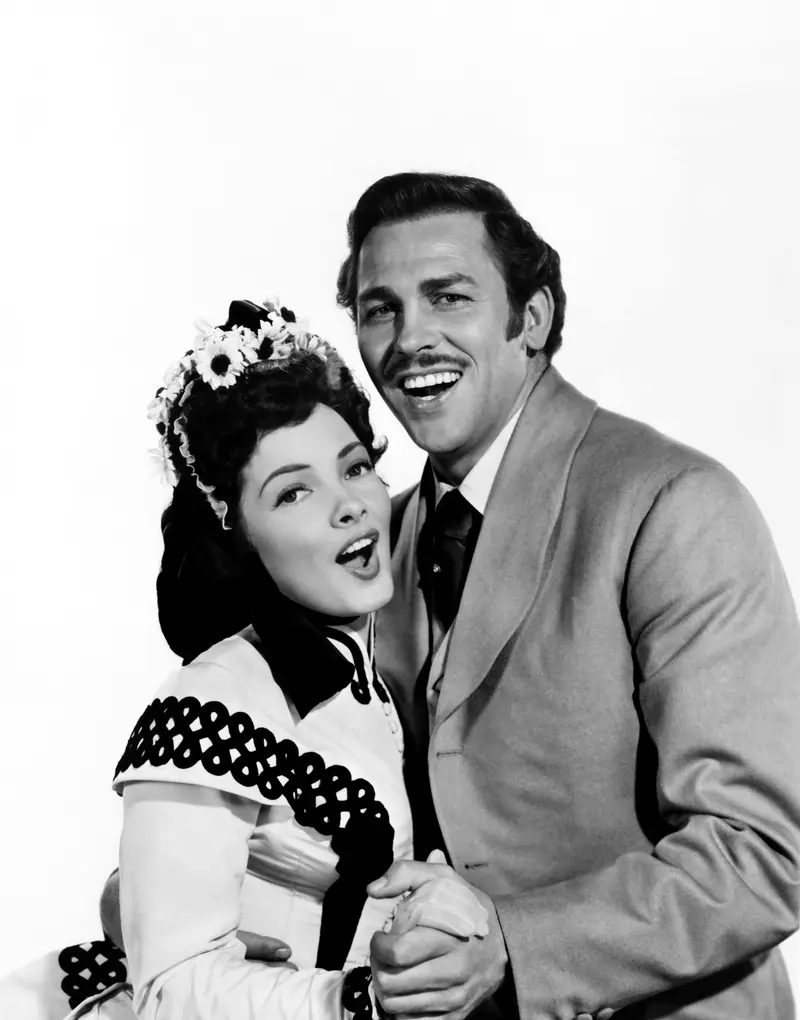
George Sidney 1951
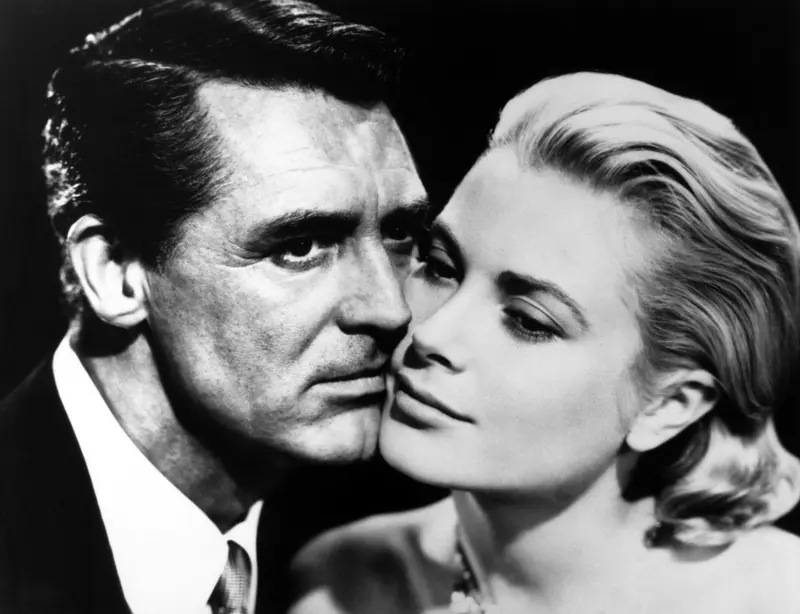
Alfred Hitchcock 1955
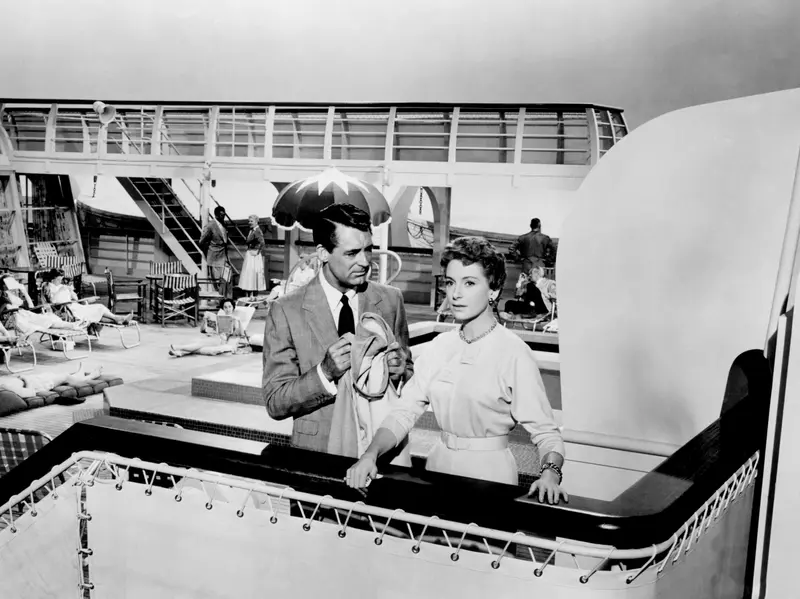
Leo McCarey 1957
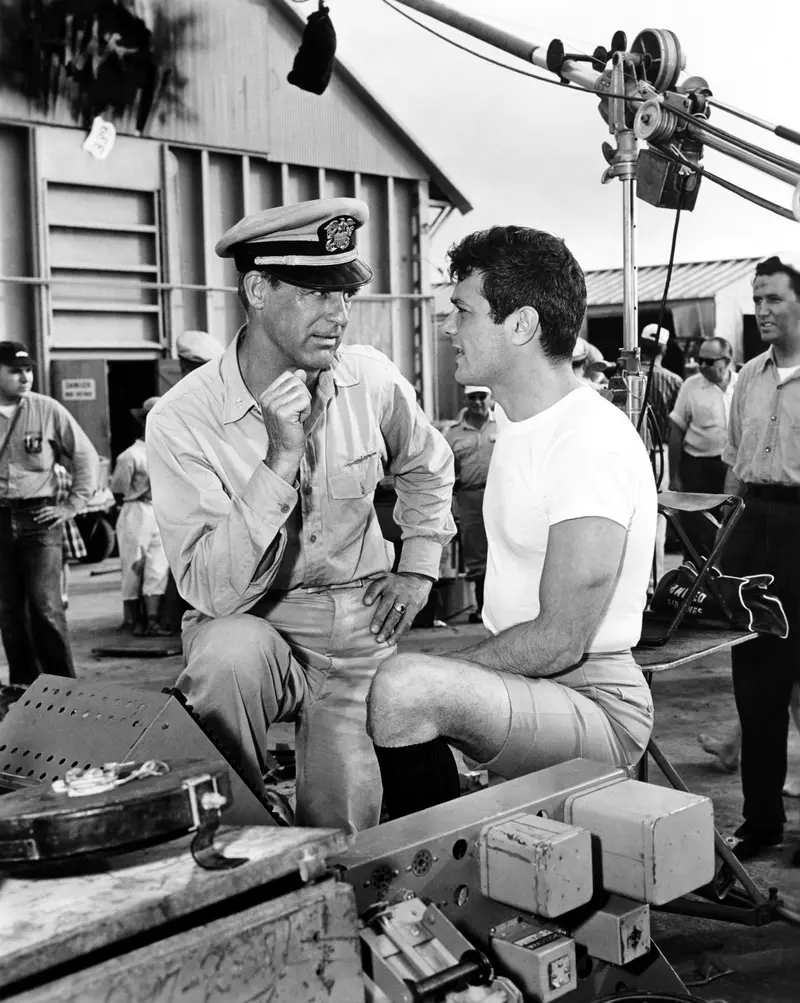
Blake Edwards 1959
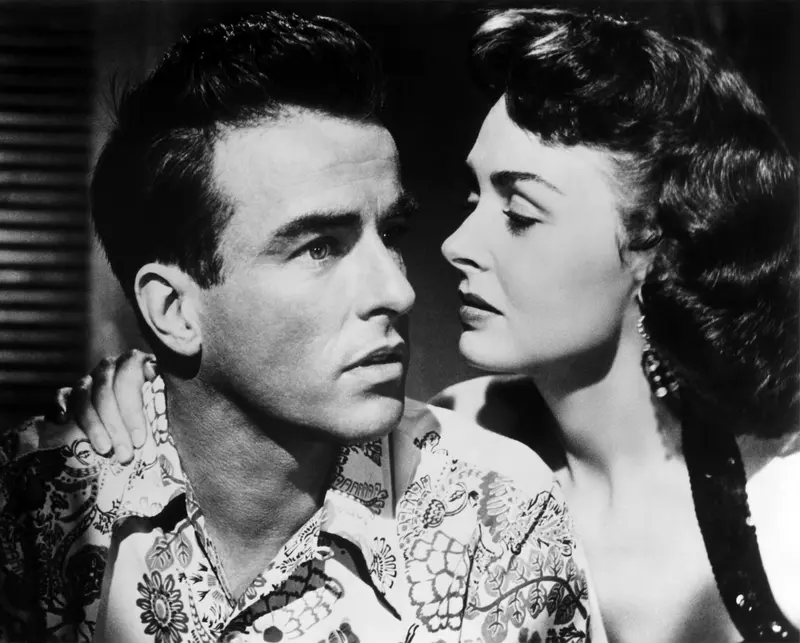
Fred Zinnemann 1953
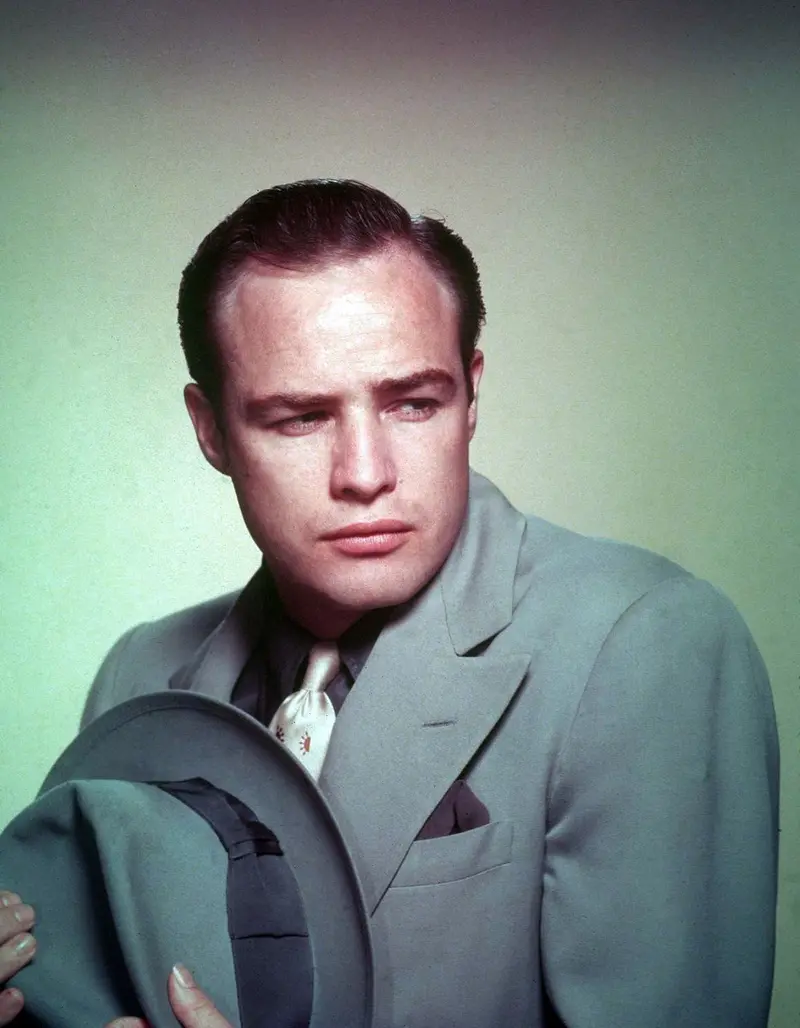
Joseph L. Mankiewicz 1955
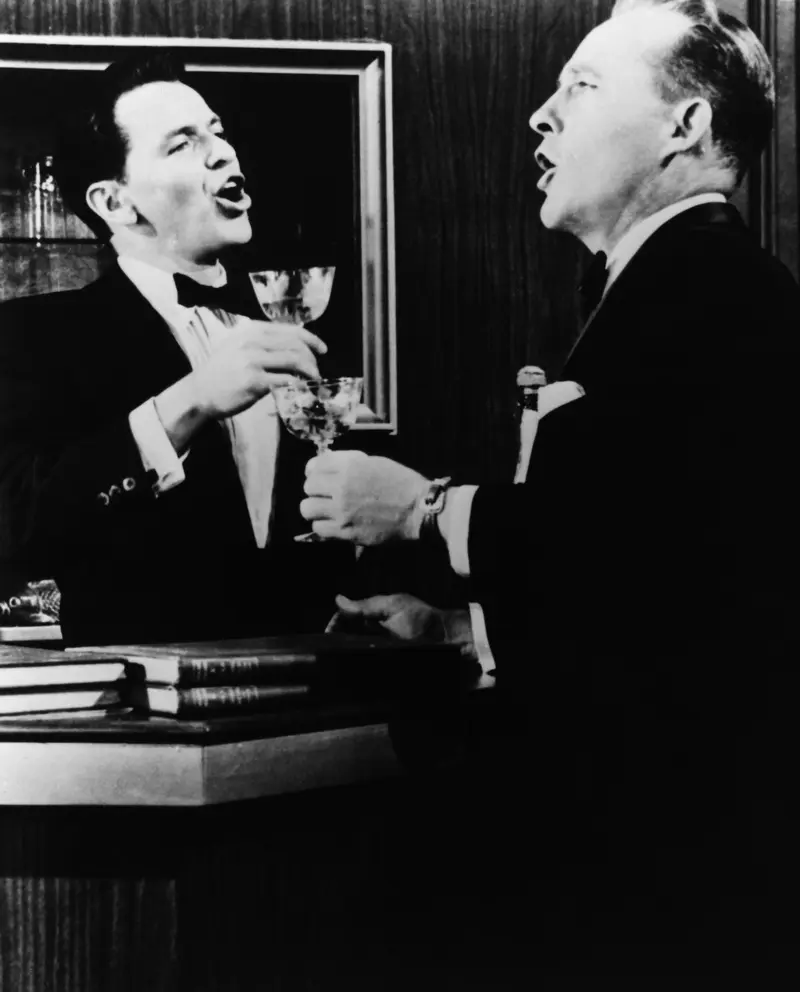
Charles Walters 1956
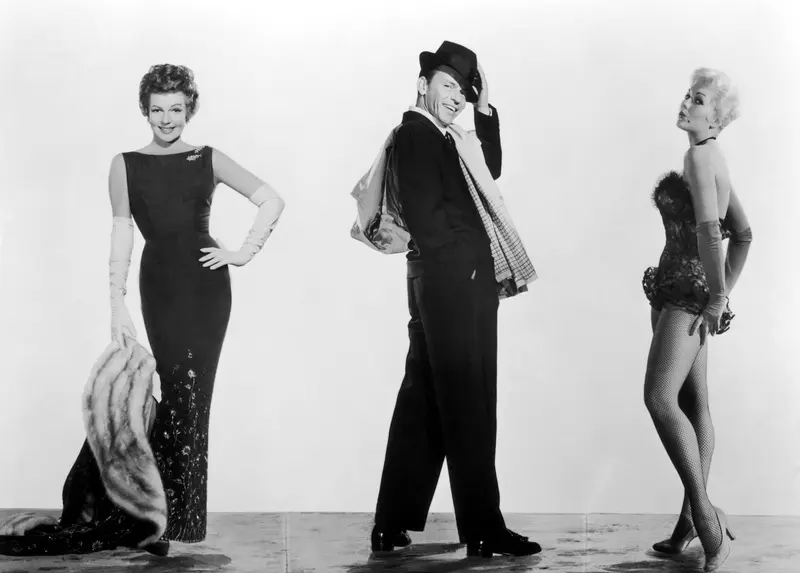
George Sidney 1957
We use Google Analytics to see which pages help. Allow it?