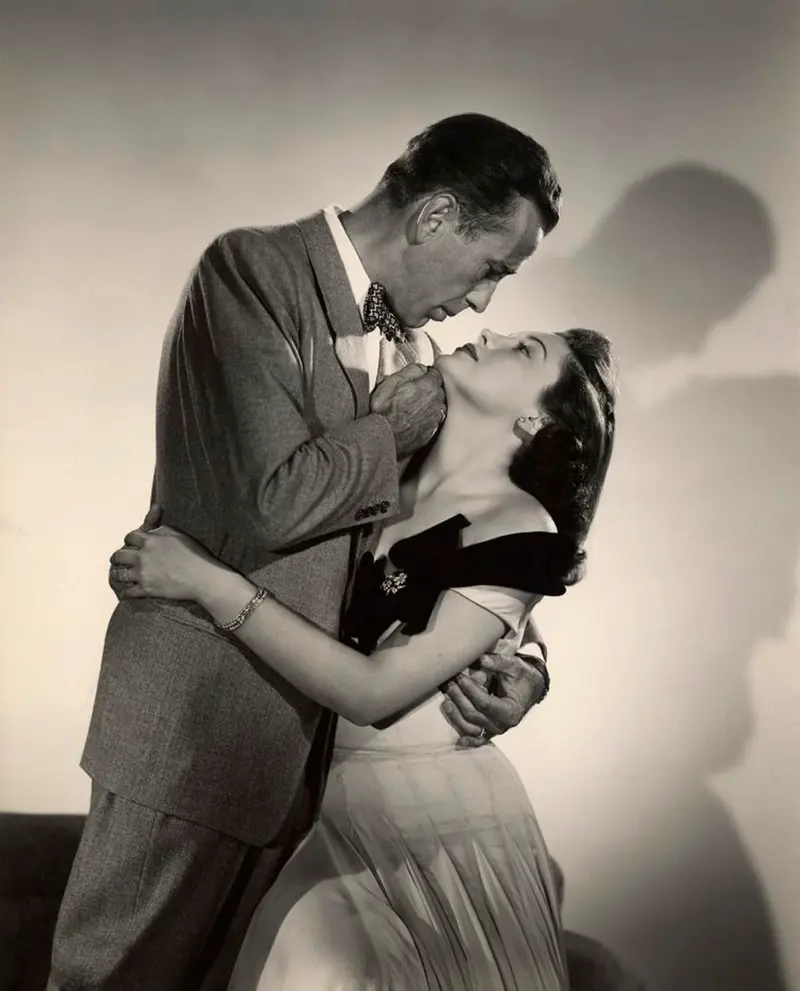
The Barefoot Contessa
Joseph L. Mankiewicz 1954
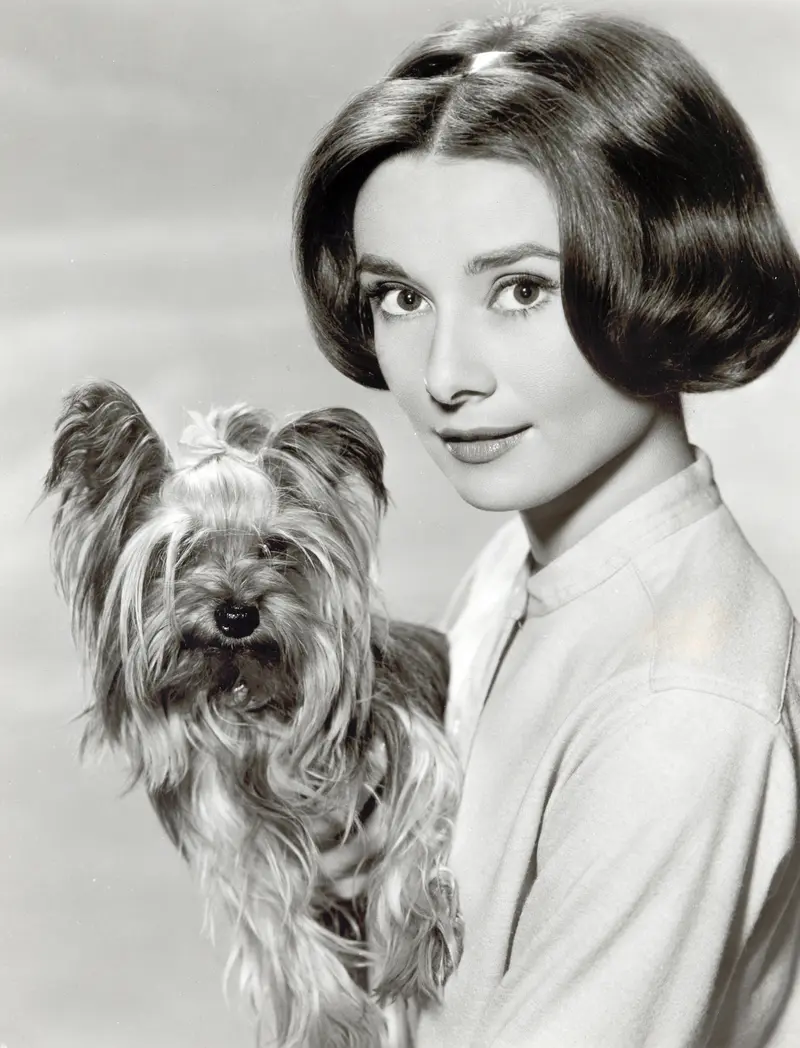
A 1957 Paramount musical directed by Stanley Donen, with Gershwin songs. A fashion editor (Kay Thompson) and her photographer (Fred Astaire) turn a Greenwich Village bookshop assistant (Audrey Hepburn) into a model, and a trip to Paris is the bait. Hepburn sings her own songs in her first musical, and the film drew four Academy Award nominations.
Not listed on Amazon right now. Search Amazon for it.
Photo: DoctorMacro.com
Funny Face is a 1957 Paramount musical romantic comedy directed by Stanley Donen, written by Leonard Gershe, with songs by George and Ira Gershwin. Audrey Hepburn plays Jo Stockton, Fred Astaire plays Dick Avery and Kay Thompson plays Maggie Prescott. Wikipedia’s entry notes that the film shares its title and its male star with the Gershwins’ 1927 Broadway show, but tells another story and keeps four of that show’s songs.
Maggie, the editor of a fashion magazine called Quality, and Dick, her top photographer, want a look that is both beautiful and intellectual. They find it in Jo, a shy assistant and amateur philosopher in a Greenwich Village bookstore, who thinks the fashion business is nonsense. She agrees to model because the job will take her to Paris, where Professor Émile Flostre (Michel Auclair) lectures, and she and Dick fall in love during the shoots there.
Hepburn sings her own songs in what her Wikipedia entry calls her debut musical film. Astaire was 58, and Wikipedia’s entry places the film near the end of his musicals; his entry says that after Silk Stockings, also from 1957, he announced he was retiring from dancing in films. Thompson’s entry calls Maggie the one major role of her film acting. Opinion split on release: when the film reached London’s Odeon on April 25, 1957, The Times called it “the American ‘musical’ at its worst”. Of the three Region 1 DVD editions from Paramount, the 2007 50th Anniversary release improved on the picture and sound of the 2001 disc, and the two-disc 2009 Centennial Collection adds further featurettes, among them “This is VistaVision” and “Fashion Photographers Exposed”.
The Canadian Moving Picture Digest of June 2, 1956, named Funny Face among seven large-scale Paramount pictures then in production, describing a musical comedy that paired Hepburn and Astaire on Gershwin music. Motion Picture Exhibitor of January 30, 1957, still carried the title in its Paramount list of films to be reviewed or in production. That entry credits Hepburn, Astaire and Thompson and marks the film as Technicolor, VistaVision and made in France. The same issue’s list of unreviewed titles includes Silk Stockings, with Astaire, Cyd Charisse and Janis Paige. It also lists Hepburn in Love in the Afternoon, with Gary Cooper and Maurice Chevalier, again marked as made in France.
The producer and songwriter Roger Edens wrote about the picture in “Labor Pains”, an article for Film and TV Music, once it was in release. He set aside the full story of its origins as too long and probably too personal for the piece. He did reckon the time from conception to delivery at the Music Hall at almost two years, including a delay over difficulties in casting, and added, “Even elephants don’t need that much time!” Edens wrote that the property bought from Gershe was an unproduced stage play called “Wedding Day”, and that its modern subject led the makers to plan an original score with songs and musical sequences worked closely into the script. He gave the credit for the music, “unequivocally”, to the musical director Adolph Deutsch and the staff Deutsch enlisted: Skip Martin, Conrad Salinger, Van Cleave and Alexander Courage.
Edens also recalled a day when Gershe read a newly written darkroom scene to him and Donen. In it, the photographer tries to talk Hepburn’s character into modeling while he develops a negative he has just shot of her. On seeing the print she is horrified and says, “I think my face is perfectly funny.” Edens tells this directly after saying that the film was not called Funny Face at first.
Bosley Crowther of The New York Times called the film “delightfully balmy” and “extraordinarily stylish”, and Wikipedia’s entry describes the American reception as generally good. Edens wrote that the advance appraisal had been highly complimentary, and that he was especially grateful for the praise of the musical treatment. The reviewer for The Times, writing on the London opening, disagreed, calling it “a displeasing piece of work” and saying the presence of Astaire could not save it. That reviewer’s main objection was to the film’s attitude toward the intellectual, in Greenwich Village and in Paris, which the notice denied was either parody or satire and traced to an urge to jeer.
The film received four Academy Award nominations: for Gershe’s writing, for the costumes of Edith Head and Hubert de Givenchy, for Ray June’s cinematography and for the art direction and set decoration. The National Board of Review cited its photographic innovations. Donen was nominated by the Directors Guild of America and for a Golden Palm at Cannes in 1957.
Later accounts turn on how the picture was assembled. According to Hepburn, she made Astaire a condition of her taking part. In a December 6, 2006, interview on Turner Classic Movies, Donen said the film was made at Paramount with a crew largely from MGM, including himself, Edens and Thompson, because the studio would not let Hepburn go for a picture made anywhere else. Thompson had been a vocal arranger at MGM on musicals including Ziegfeld Follies. Astaire’s entry adds an earlier chapter: after the 1927 stage show closed, he and his sister Adele tested at Paramount and came close to a deal for a screen version, which was abandoned.
The sources disagree on what Gershe wrote. Edens calls it an unproduced stage play, “Wedding Day”, while Wikipedia’s entry on the film names a Broadway musical by Gershe, “Wedding Bells”, and gives Wedding Day only as the film’s original title. They also disagree on the model for Maggie. Wikipedia names Diana Vreeland and recalls a Vogue memo of hers beginning “Today let’s think pig white!”, while the architectural historian Francis Morrone names Carmel Snow, editor-in-chief of Harper’s Bazaar. Dick is described as loosely based on Richard Avedon, who supplied photographs seen in the film and designed the opening title sequence.
The film’s first run disappointed at the box office, and Astaire’s entry says it failed to recover its cost despite good reviews. Paramount reissued it in 1964, when My Fair Lady, also with Hepburn, was drawing huge grosses, and the reissue drew crowds and put the film into profit. Hepburn’s vocals in My Fair Lady were dubbed by Marni Nixon, so the singing here carries a later note of dispute about her voice. Givenchy also dressed her in Charade, among other films. A 2006 Gap commercial cut her Funny Face dancing to AC/DC’s “Back in Black”. Thompson acted in only one more feature, and Liza Minnelli, its star, said she disliked how slowly movies were made. The soundtrack has since been reissued in an expanded 60th-anniversary edition with eight alternate tracks, four of them featuring Thompson.
Yes. Funny Face (1957) is a musical romantic comedy directed by Stanley Donen, with songs by George and Ira Gershwin. The Canadian Moving Picture Digest of June 2, 1956, was already describing it as a musical comedy while it was in production.
Yes. The title covers two musicals, the Gershwins’ 1927 Broadway show and the 1957 Paramount film, and Fred Astaire starred in both. Their plots are different, and the film keeps only four songs from the stage show.
Funny Face is about Jo Stockton, a Greenwich Village bookstore assistant whom a fashion editor and a photographer turn into a model. She agrees because the job takes her to Paris, home of the philosopher Émile Flostre, and she falls in love with the photographer during the shoots.
Funny Face came out in 1957. Motion Picture Exhibitor of January 30, 1957, still listed it among titles to be reviewed or in production, and The Times reviewed it when it opened at London’s Odeon on April 25, 1957.
Funny Face was filmed in France, according to Motion Picture Exhibitor of January 30, 1957, which marks it as made in France without naming locations. The story itself moves from Greenwich Village to Paris.
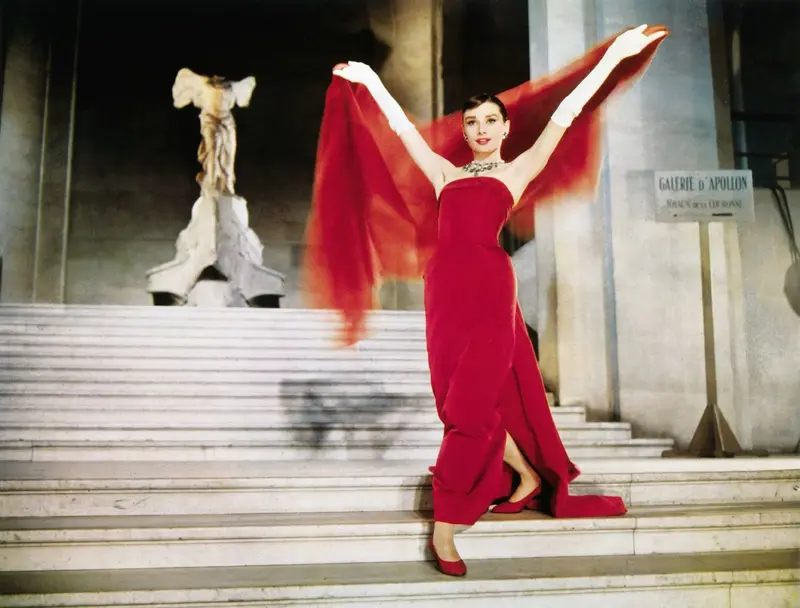
Joseph L. Mankiewicz 1954
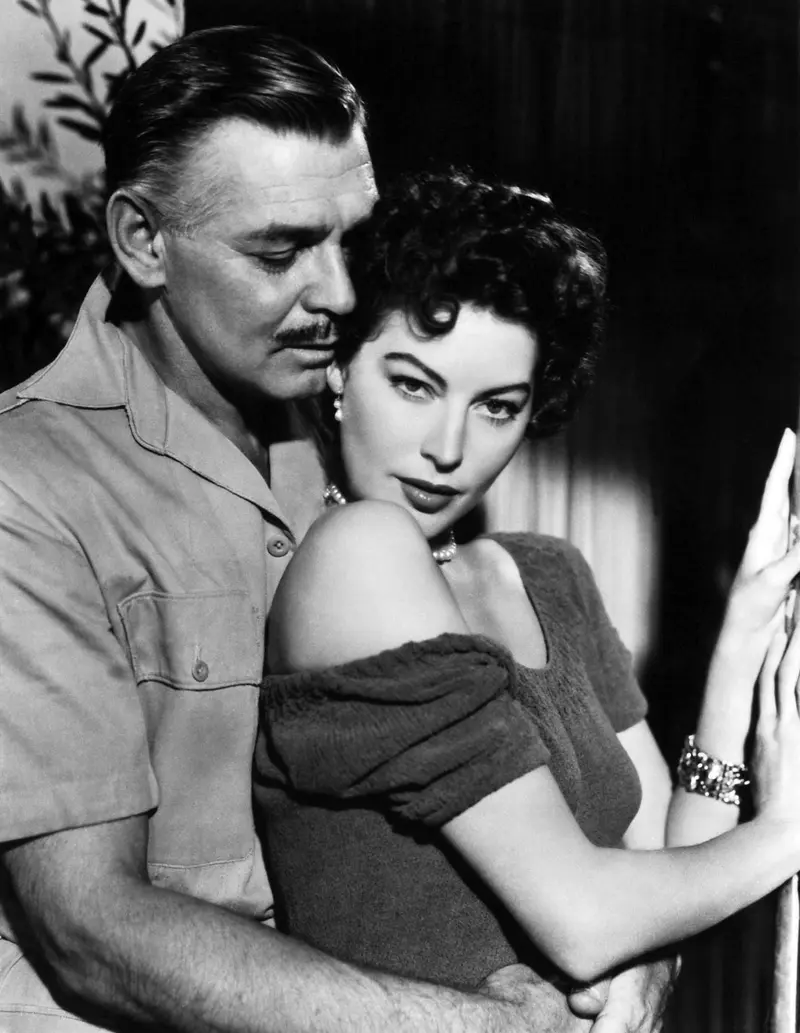
John Ford 1953
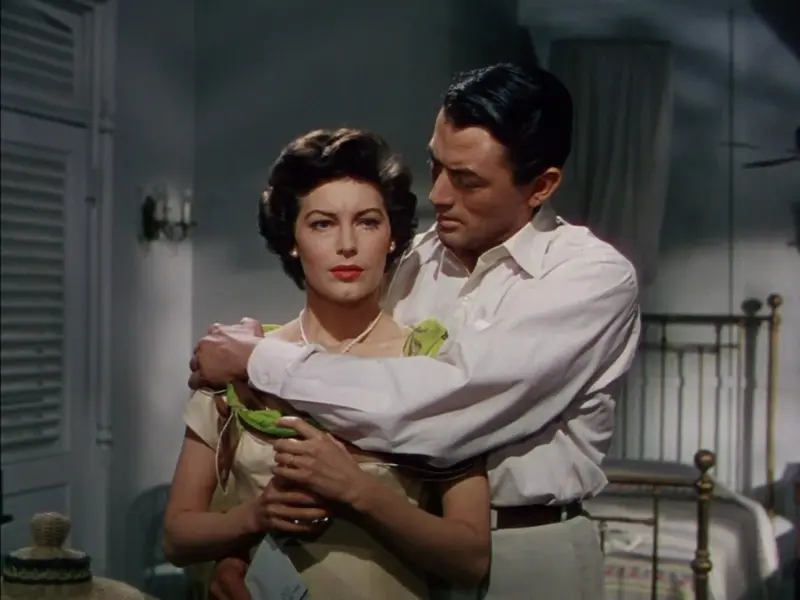
Henry King 1952
George Cukor 1956
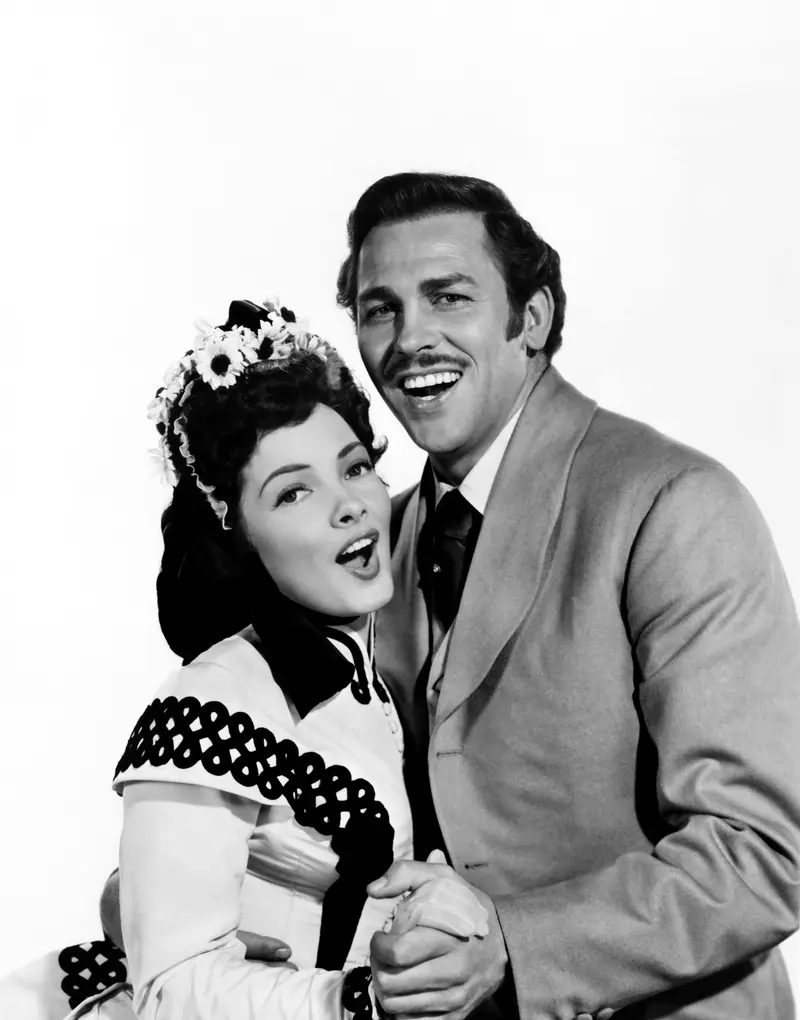
George Sidney 1951
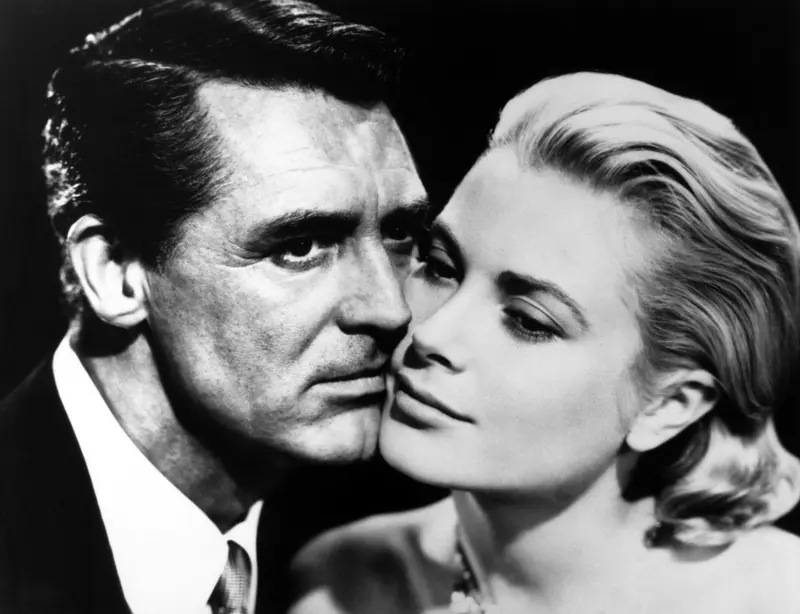
Alfred Hitchcock 1955
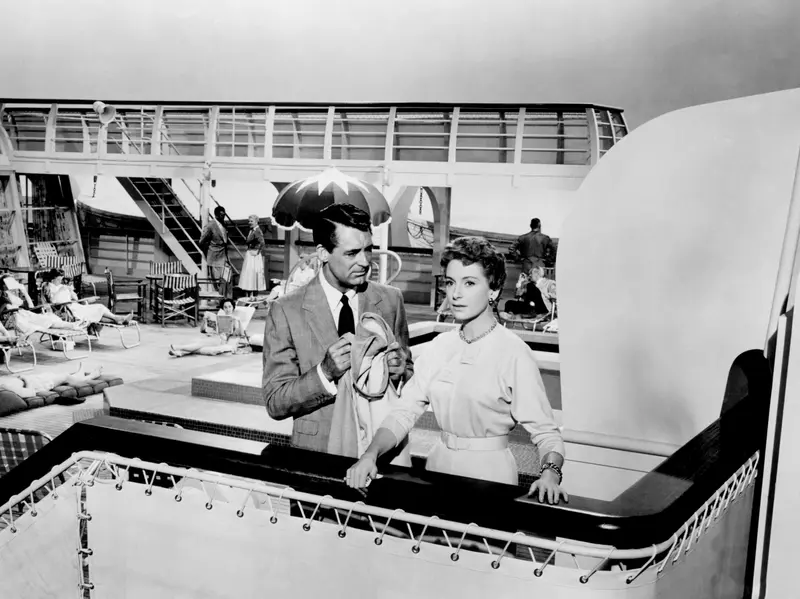
Leo McCarey 1957
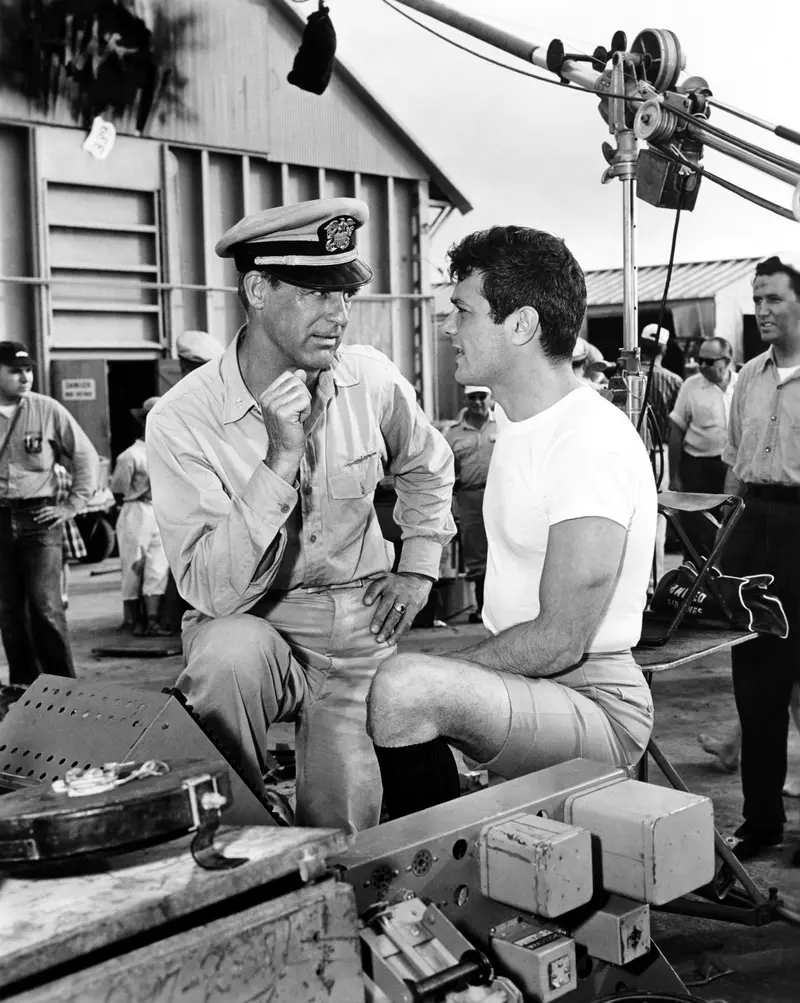
Blake Edwards 1959
Fred Zinnemann 1953
Joseph L. Mankiewicz 1955
Charles Walters 1956
George Sidney 1957
We use Google Analytics to see which pages help. Allow it?