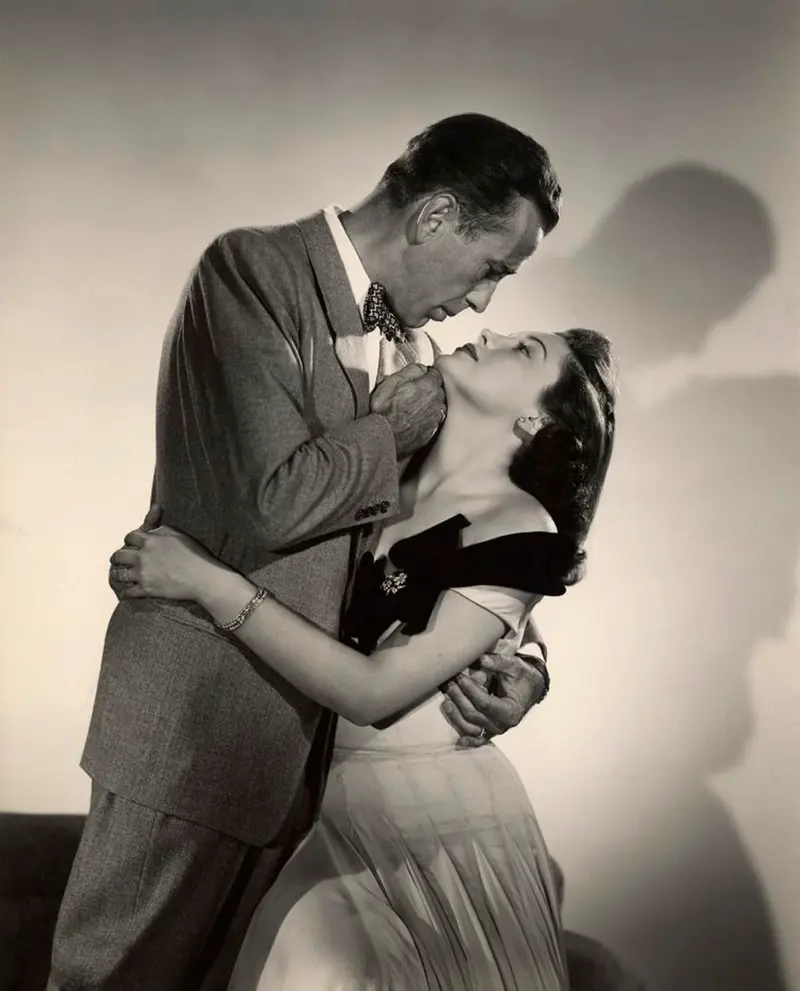
The Barefoot Contessa
Joseph L. Mankiewicz 1954
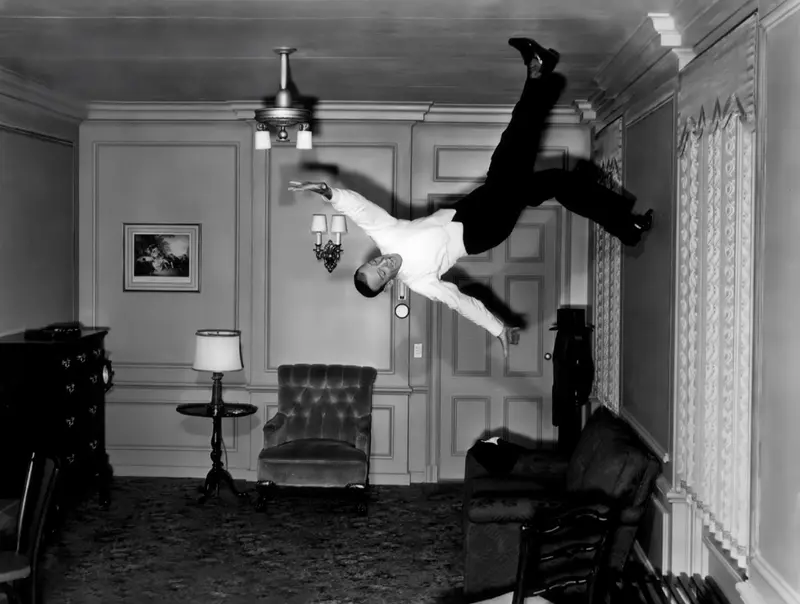
A 1951 MGM musical comedy directed by Stanley Donen. Fred Astaire and Jane Powell play Tom and Ellen Bowen, an American brother and sister who take their Broadway hit to London for the 1947 royal wedding, with Sarah Churchill and Peter Lawford as the people they fall for. It contains Astaire’s dance on the walls and ceiling of a room, shot in a revolving set.
Not listed on Amazon right now. Search Amazon for it.
Photo: DoctorMacro.com
Jackie Ross, reviewing Royal Wedding in the Canadian Moving Picture Digest of April 28, 1951, wagered that it would finish above at least half of the year’s biggest grossers. According to MGM records, the studio made a profit of $584,000, with earnings of $1,354,000 outside the United States and Canada and $2,548,000 within them. It also appeared in Variety’s list of the top box-office hits of 1951. Accounts of Astaire’s career call it very successful and set it against The Belle of New York (1952), a failure with critics and at the box office.
The film is a Metro-Goldwyn-Mayer musical comedy in Technicolor. Fred Astaire plays Tom Bowen, Jane Powell plays his sister and stage partner Ellen Bowen, and Peter Lawford plays Lord John Brindale, with Sarah Churchill as the dancer Anne Ashmond and Keenan Wynn in a dual part as the twin agents Irving and Edgar Klinger. The songs are by Burton Lane (music) and Alan Jay Lerner (lyrics), and the director is Stanley Donen. In the United Kingdom it was released under the title Wedding Bells. The film falls between Easter Parade (1948) and The Band Wagon (1953) in Astaire’s filmography.
The story opens with the Bowens starring in Every Night at Seven, a Broadway hit, and being talked into taking it to London to profit from the coming marriage of Philip Mountbatten and Princess Elizabeth in 1947. Ellen falls in love with Brindale, a lord with little money and good connections, on the voyage over. Tom falls in love with Anne while he is casting the show.
For viewing, the Classic Musicals from the Dream Factory series from Warner Home Video includes the film in a DVD set issued in 2007. The film is also in the public domain, because MGM failed to renew its copyright registration in the 28th year, and it can be viewed free at the Internet Archive.
The Canadian Moving Picture Digest followed the film through its Canadian bookings in the spring of 1951. Its issue of April 21 listed a second week at Loew’s in Toronto and at the Capitol in Vancouver, along with a booking at the Paramount in Saint John. The April 28 issue reported a third week at Loew’s in Toronto, which it called a “box-office celebration.” By May 12 the paper’s listings had the film at Loew’s in Montreal and the Capitol in Winnipeg.
The advertising in the same paper made larger claims. An advertisement in the April 28 issue, headed “NATIONWIDE SOCKO!”, said that the film’s first 156 engagements stood at 99% of Kim, 98% of Summer Stock, 90% of Three Little Words and 81% of Annie Get Your Gun. The advertisement gives percentages only. On May 12 an advertisement for M-G-M’s Teresa used the film as a yardstick, saying that Teresa had matched in 2 days at Toledo what Royal Wedding did there at Easter. A column in the April 28 issue also named Royal Wedding beside Easter Parade and The Jolson Story when it set current screen musicals against those of the past.
The notices of the time differed. Edwin Schallert of the Los Angeles Times called the film “so-so in story” but praised the songs and dances, and credited its appeal largely to Astaire and “a new Jane Powell.” A cooler contemporary review came from Bosley Crowther in The New York Times. Crowther credited the film with “one swell number,” built on what he called “the world’s longest-titled song,” and allowed three or four more that were good. He added “a laugh here, a laugh there” and color newsreels of the British ceremony, and wrote that Astaire had done better in his lifetime and also much worse.
Ross’s notice in the April 28 Digest treated the film first as a commercial property, listing star power, color, music, comedy and production values among its assets. Ross argued that the “I Left My Hat in Haiti” sequence alone should earn the film Oscar consideration for art direction and costume design. Astaire, in Ross’s view, “has never been better,” and was someone who “grows better as he grows older.” Ross also noted that Astaire’s dance on the ceiling had already been much discussed and had been written up in Life Magazine. Wynn’s scenes as the twin agents, each brother holding half the screen, were called “intensely funny.”
Ross gave the most space to Powell, who was cast as a replacement for Judy Garland and so invited the comparison. Ross called her “more than adequate” and, under Donen’s direction, “quite charming,” but judged that she lacked what Garland had possessed at her peak. Ross then predicted that Powell’s popularity might in time exceed Garland’s. The reason offered was that Powell was “much more pallid a personality” and more of a director’s creation, a combination Ross thought had suited audiences in other cases.
The reviewers singled out different numbers, Ross choosing the Haiti sequence and Crowther the song with the long title. Here Comes the Groom supplied “In the Cool, Cool, Cool of the Evening,” the song that beat “Too Late Now” from this film for Best Original Song at the 24th Academy Awards.
The Great Muppet Caper has Kermit the Frog parodying “Sunday Jumps,” the number in which Astaire dances in a ship’s gym with a hat rack. The same number was referenced in the Talking Heads concert film Stop Making Sense by David Byrne, and in What Women Want by Mel Gibson. Astaire’s daughter Ava objected in public in 1997, saying that a commercial tarnished his image. It was a Dirt Devil spot that used a digitally altered version of the scene, and his widow, Robyn, had authorized it.
The cast’s later records also point back to the film. The American Film Institute nominated it for two of its lists, Greatest Movie Musicals in 2006 and 100 Years…100 Passions in 2002. Sarah Churchill, a daughter of Winston Churchill, is described as best known for playing Anne Ashmond, and Powell’s radio credits include a 1952 Lux Radio Theatre episode titled Royal Wedding.
Lionel Richie’s song “Dancing on the Ceiling” and its video were inspired by the film’s own ceiling dance. For that dance, MGM’s John Arnold developed a new camera mount that could turn the 35mm camera through 360 degrees around the lens axis, and the room was a set built inside a revolving barrel. The song Astaire dances to there is “You’re All the World to Me.” Accounts of Astaire’s working method class the routine with the “gimmick” dances he and his collaborators devised, like the dance with his shadows in Swing Time. “I Left My Hat in Haiti,” the sequence Ross admired, is described as essentially the work of the dance director Nick Castle.
The production’s own history comes last in these accounts and runs backward from the shoot through several changes of cast. Principal photography began on July 6 and ended on August 24, 1950, and retakes followed in mid-October. On September 28, 1950, MGM nullified Garland’s contract, which dated from 1935, after she asked to be released; her biographer Gerold Frank wrote that her career and personal life had left her despondent. Before that, Freed had replaced her with Powell, after she started missing days of work and claimed sickness as shooting approached. Garland had herself come in when June Allyson, cast as Astaire’s costar, became pregnant, and she did so over the objection of the original director, Charles Walters, who had given a year and a half to helping her through Summer Stock. Neither Donen nor Powell belonged to the first crew and cast.
Yes. Royal Wedding is a 1951 MGM musical comedy directed by Stanley Donen, with music by Burton Lane and lyrics by Alan Jay Lerner. Jackie Ross, in the Canadian Moving Picture Digest of April 28, 1951, argued that its “I Left My Hat in Haiti” sequence deserved Oscar consideration for art direction and costume design.
Royal Wedding, the 1951 MGM film, is set in London in 1947, as Princess Elizabeth and Philip Mountbatten are about to marry. It is a film and not a current event. In the United Kingdom it was released under the title Wedding Bells.
Royal Wedding, the film, belongs to 1951 and not to yesterday’s news. That spring the Canadian Moving Picture Digest listed it at Loew’s in Toronto and Montreal, the Capitol in Vancouver and Winnipeg, and the Paramount in Saint John.
Joseph L. Mankiewicz 1954
John Ford 1953
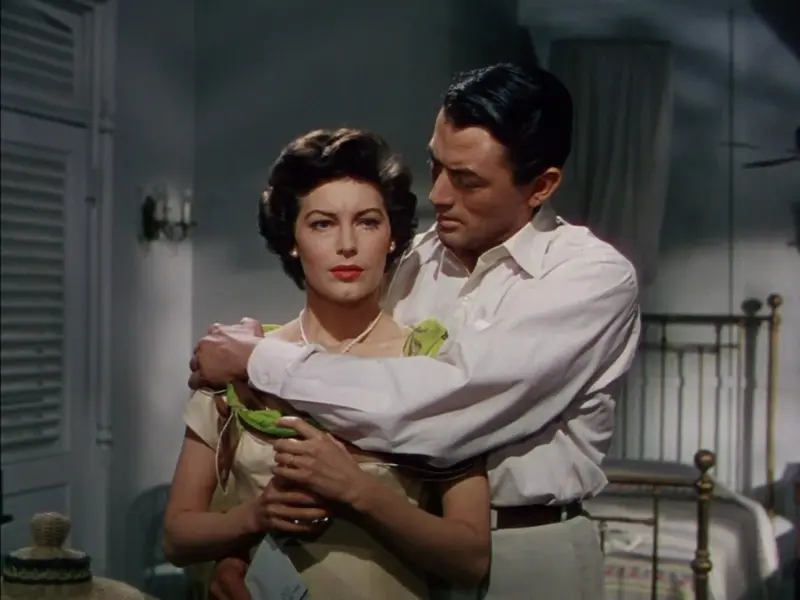
Henry King 1952
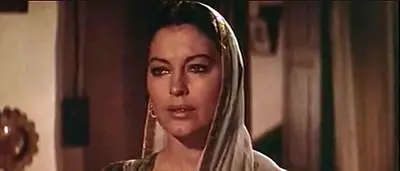
George Cukor 1956
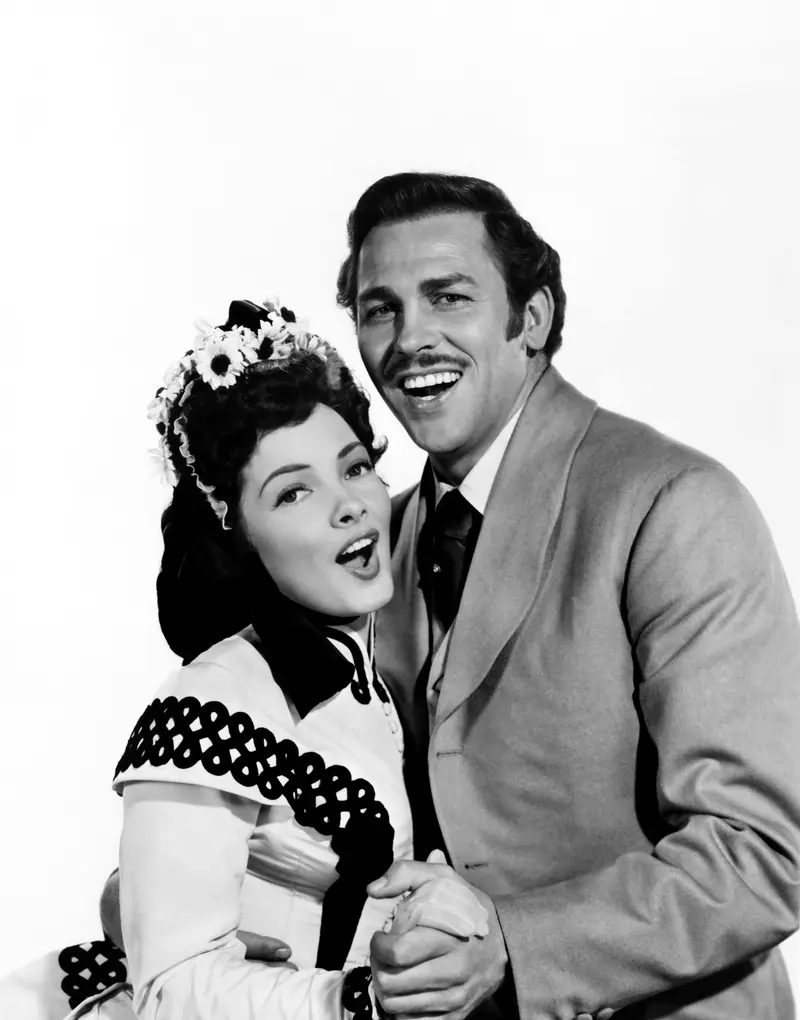
George Sidney 1951
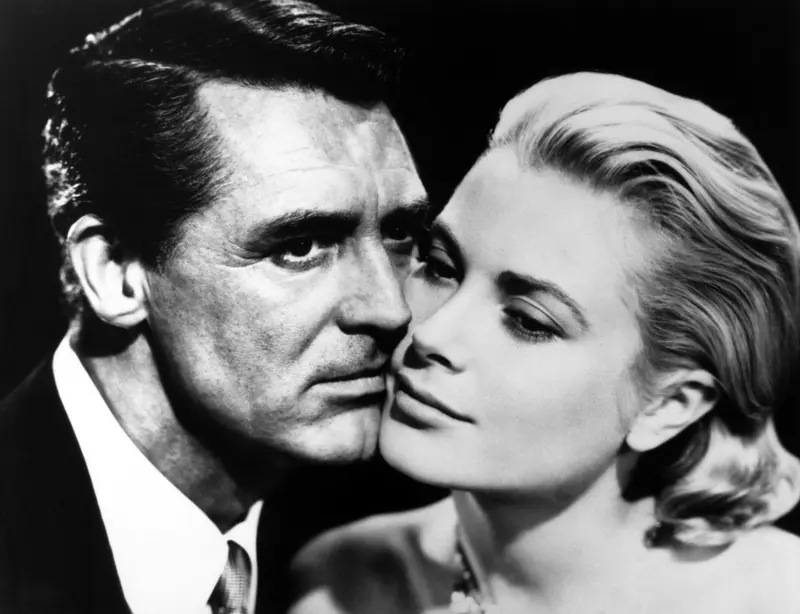
Alfred Hitchcock 1955
Leo McCarey 1957
Blake Edwards 1959
Fred Zinnemann 1953
Joseph L. Mankiewicz 1955
Charles Walters 1956
George Sidney 1957
We use Google Analytics to see which pages help. Allow it?