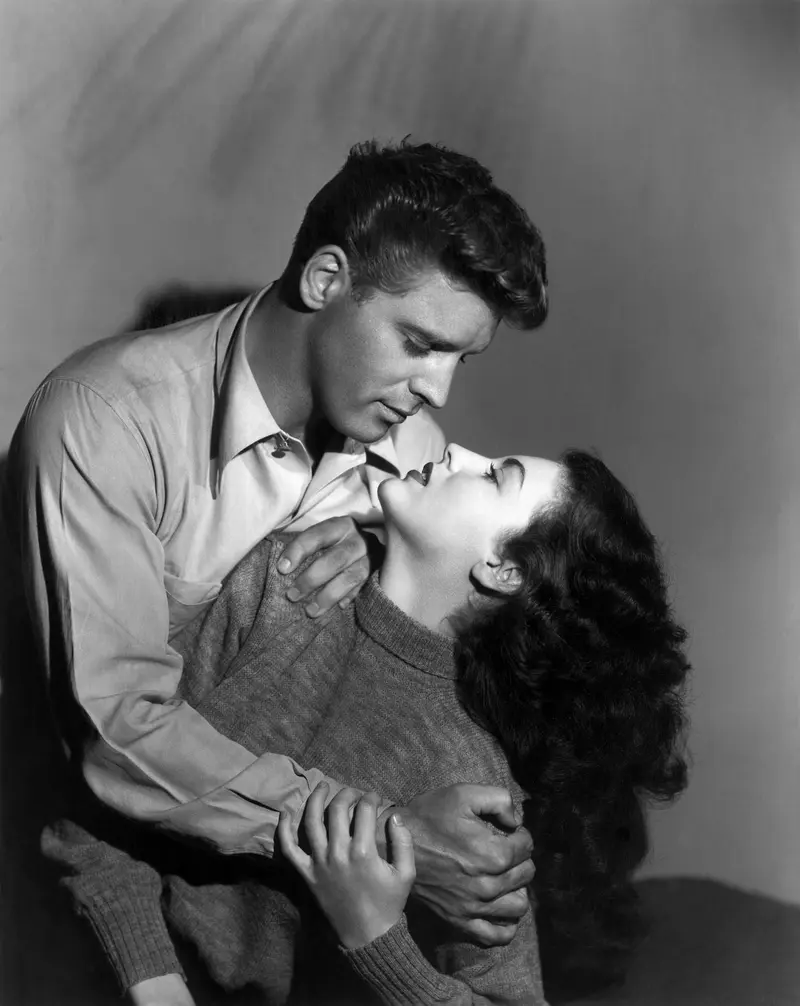
The Killers
Robert Siodmak 1946
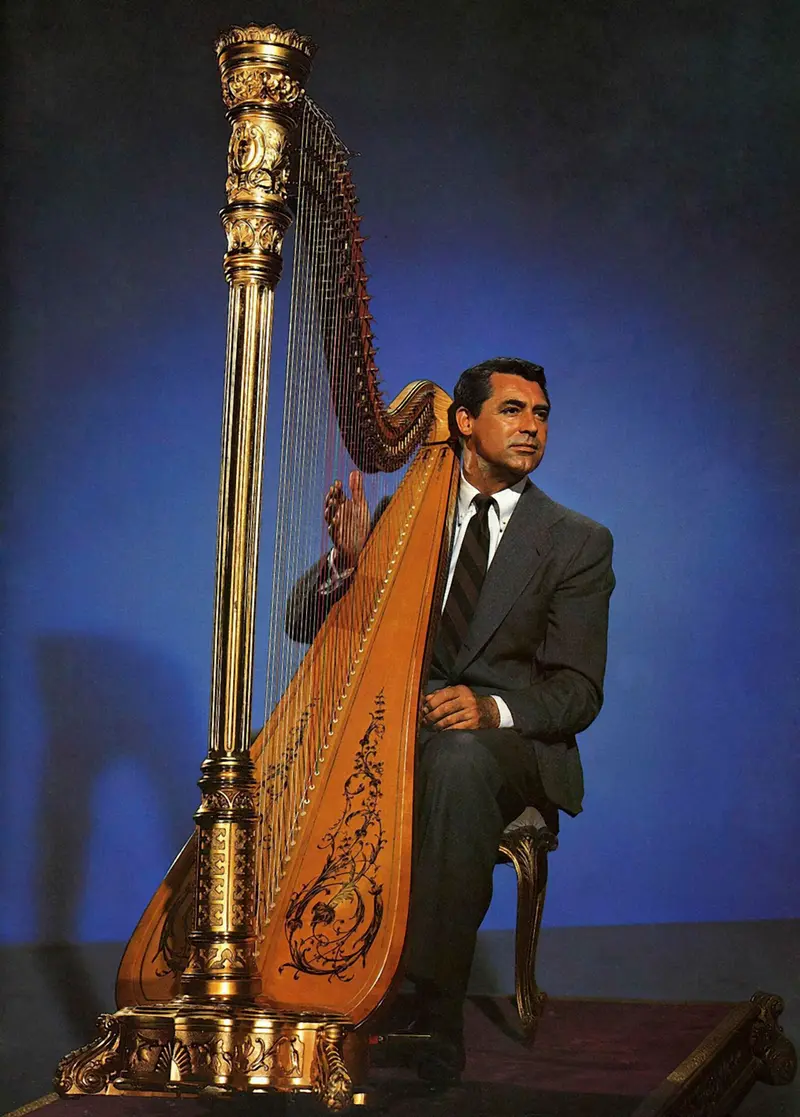
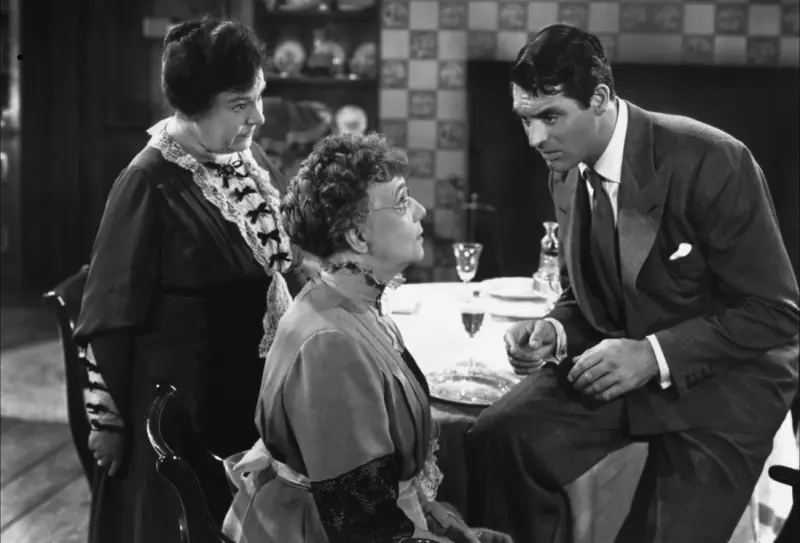
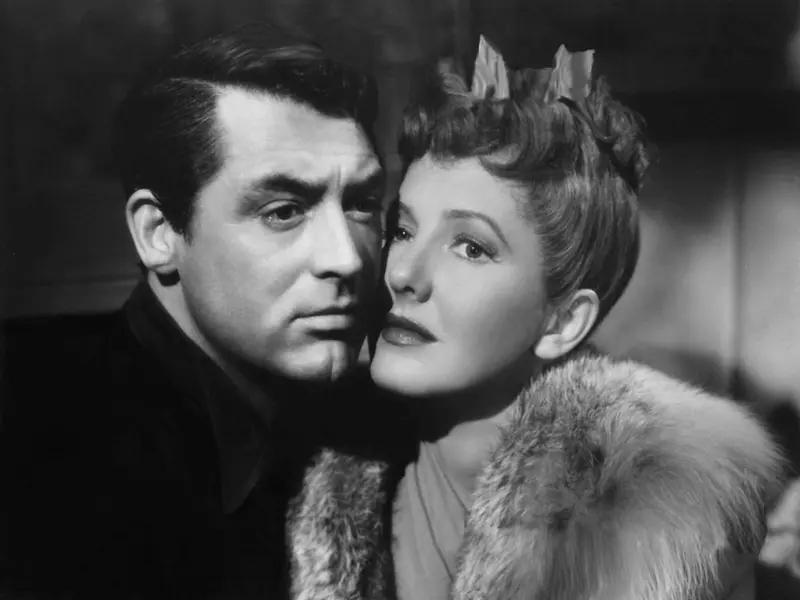
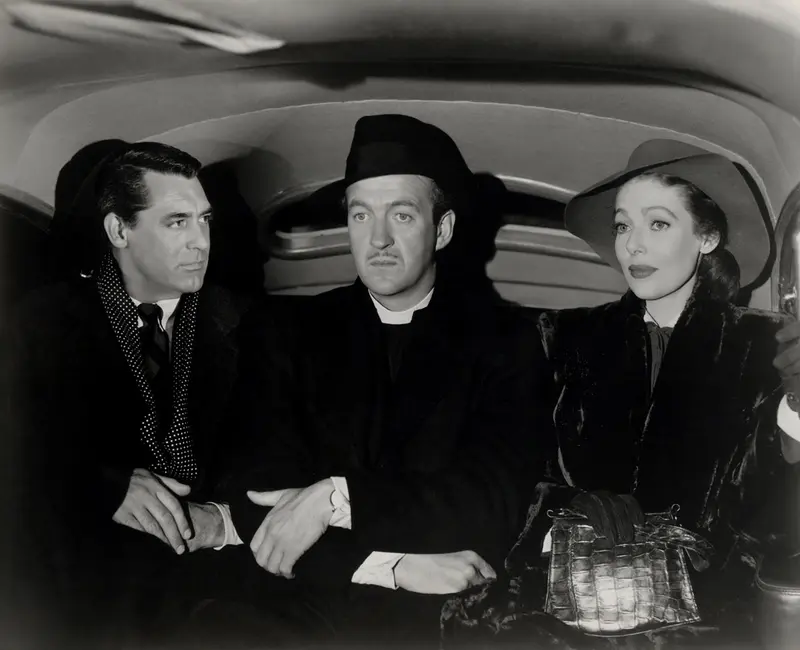
A bishop’s prayer for help with a new cathedral brings him an angel. Cary Grant plays Dudley, the angel, David Niven plays Bishop Henry Brougham, and Loretta Young plays his wife, Julia, in Henry Koster’s 1947 Christmas fantasy for Samuel Goldwyn. Film Daily called it royal entertainment and rated its direction and Gregg Toland’s photography Superb.
Photo: DoctorMacro.com
Film Daily’s review of The Bishop’s Wife, reprinted in Canadian Film Weekly on Apr 21, 1948, called the picture “royal entertainment,” gave its length as 108 minutes and rated both direction and photography “Superb.” David Niven plays Bishop Henry Brougham, Loretta Young plays his wife, Julia, and Cary Grant plays the angel Dudley. Produced by Samuel Goldwyn, directed by Henry Koster and distributed by RKO Radio Pictures, it is a 1947 Christmas fantasy. Film Daily credited the screenplay to Robert E. Sherwood and Leonardo Bercovici, from the novel by Robert Nathan, and the photography to Gregg Toland. Wikipedia’s account of Grant’s career places the film after Notorious and, within 1947, after The Bachelor and the Bobby-Soxer. Its entry on Young sets the film in the same year as The Farmer’s Daughter, the RKO comedy that won her the Academy Award for Best Actress.
The bishop cannot raise the money for a new cathedral and prays for guidance. Film Daily’s review has Dudley arrive just before Christmas and sign on as the bishop’s assistant, and Wikipedia’s plot account says he tells only the bishop what he is. The cathedral’s backer, played by Gladys Cooper, wants the building to honor her late husband first. Dudley wins over the bishop’s wife, their daughter (Karolyn Grimes) and a stalled professor of Roman history (Monty Woolley), while the bishop answers with resentment and jealousy.
Wikipedia records that the film premiered in London at the Odeon on November 25, 1947, and that it was the second film chosen for a Royal Command Performance.
RKO’s The Radio Flash of January 3, 1948 reported The Bishop’s Wife entering its fourth week at the Astor in New York and its second at the Astor in Boston. The same item had it “playing to capacity” in its opener at the Carthay-Circle in Los Angeles. The issue also ran a picture layout of the premiere, with photographs of the Duke and Duchess of Windsor, Lana Turner with Bob Topping, Elsa Maxwell and Variety editor Abel Green. Samuel Goldwyn was pictured with Jinx Falkenburg, and Monty Woolley with Mrs. Howard S. Cullman, co-chairman of the Benefit Committee for the Lighthouse.
The Flash also tallied the critics’ year-end lists for its own company. It reported that Bosley Crowther of the New York Times named three RKO films among the seven American pictures in his best ten: Crossfire, The Bishop’s Wife and The Fugitive. It reported that Rose Pelswick of the Journal-American included the film in her best ten alongside The Secret Life of Walter Mitty.
Film Daily’s notice played on the London honor, predicting a “Demand Performance film” for American audiences and adding “The patron commands, Sam Goldwyn delivers.” The reviewer called Koster’s direction “a splendid job” and said Toland’s camera caught the magic of the story. The review also held that the humor keeps the emotion in check, with a light note arriving before the audience’s tears can start.
Canadian Film Weekly of Jan 28, 1948 carried a page of press lines under the words “Here’s what they’re saying,” with the RKO Radio distribution credit at the foot. The New York Sun line called the film the “only outstanding candidate” for the Academy Award, and Hedda Hopper called it “a pure delight.” Walter Winchell offered “All sunshine and moonbeams,” and the New York Herald-Tribune line read “Cary Grant’s best.” Cecilia Ager of PM wrote “First-class comedy” and said the film was made for mass appeal. Dorothy Kilgallen’s line said she would “sentence him to an Academy Award,” meaning Cary Grant. The page prints only selected lines, not the full reviews. Wikipedia’s entry on Grant separately quotes Life magazine, without a date, calling the film “intelligently written and competently acted.”
Wikipedia’s entry on the film lists the radio versions. Lux Radio Theater presented the story three times, with Cary Grant and Phyllis Thaxter on March 1, 1955 and May 11, 1953, and with Tyrone Power and Niven on December 19, 1949. Before those, the three leads repeated their roles in a half-hour Screen Guild Theater broadcast on March 1, 1948.
The same entry adds details of the music and the locations. Nat King Cole recorded “Lost April,” with lyrics by Eddie DeLange set to the melody by Emil Newman and Herbert W. Spencer. The Robert Mitchell Boys Choir sang the Gounod piece in the scene where Dudley conducts, and location shooting took place in Minneapolis. For Niven, Wikipedia’s entry on him calls it a top picture for Goldwyn after a run of loan-outs to other companies. It says any gain ended when Goldwyn lent him to Alexander Korda for Bonnie Prince Charlie (1948), a flop.
The accounts of the box office differ. The Radio Flash in January 1948 reported capacity business and extended runs. Wikipedia’s entry on the film says it started badly at the box office despite critical acclaim, and that market research found audiences staying away because they took it for a religious picture. By that account Goldwyn retitled it Cary and the Bishop’s Wife in some American markets and added a black box to posters elsewhere, asking whether moviegoers had heard about the film under that name, and business rose by as much as 25 percent. Wikipedia’s entry on Grant instead calls the film a major commercial and critical success, nominated for five Academy Awards. The same entry records Grant’s own two nominations, for Penny Serenade (1941) and None but the Lonely Heart (1944), and says he never won a competitive Oscar.
Wikipedia’s entry on the film also gives a production history that the 1948 notices above do not mention. Charles Brackett and Billy Wilder made uncredited rewrites after audiences at early previews disliked the picture, and Goldwyn replaced director William A. Seiter with Koster. The first casting had Teresa Wright as the wife, Dana Andrews as the bishop and Niven as the angel. Wright withdrew because she was pregnant, and Robert Osborne is cited for the statement that Andrews was lent to RKO to obtain Young. Grant, brought in by Koster, wanted the angel, so the bishop went to Niven.
Metacritic now gives the film 72 from 11 critics, and Rotten Tomatoes gives it 85% from 26 reviews. Whitney Houston, Denzel Washington and Courtney B. Vance starred in the remake, The Preacher’s Wife, in 1996.
Yes. Wikipedia classes The Bishop’s Wife as a 1947 Christmas film. Film Daily’s review has the angel arrive just before Christmas, and the story closes with the bishop’s midnight sermon on Christmas Eve.
Yes, by the record of its reviews. Film Daily rated its direction and photography Superb, and The Radio Flash of January 3, 1948 reported Bosley Crowther naming it in his New York Times best ten. Rotten Tomatoes now gives it 85% from 26 reviews.
Church rules on marrying bishops are not a subject in Wikipedia’s plot account or Film Daily’s review of the film. Both simply present a married bishop: Wikipedia names his wife, Julia, and daughter, Debby, and Film Daily says he had been neglecting his wife.
We use Google Analytics to see which pages help. Allow it?