Star profile
What happened to Fred Astaire after he retired twice, lost his wife in 1954 and married again at 81
Astaire quit films in 1946 and came back. He lost his wife in 1954, stopped dancing in films after 1957, married again at 81 and died in 1987, leaving a will that asked for no film of his life.
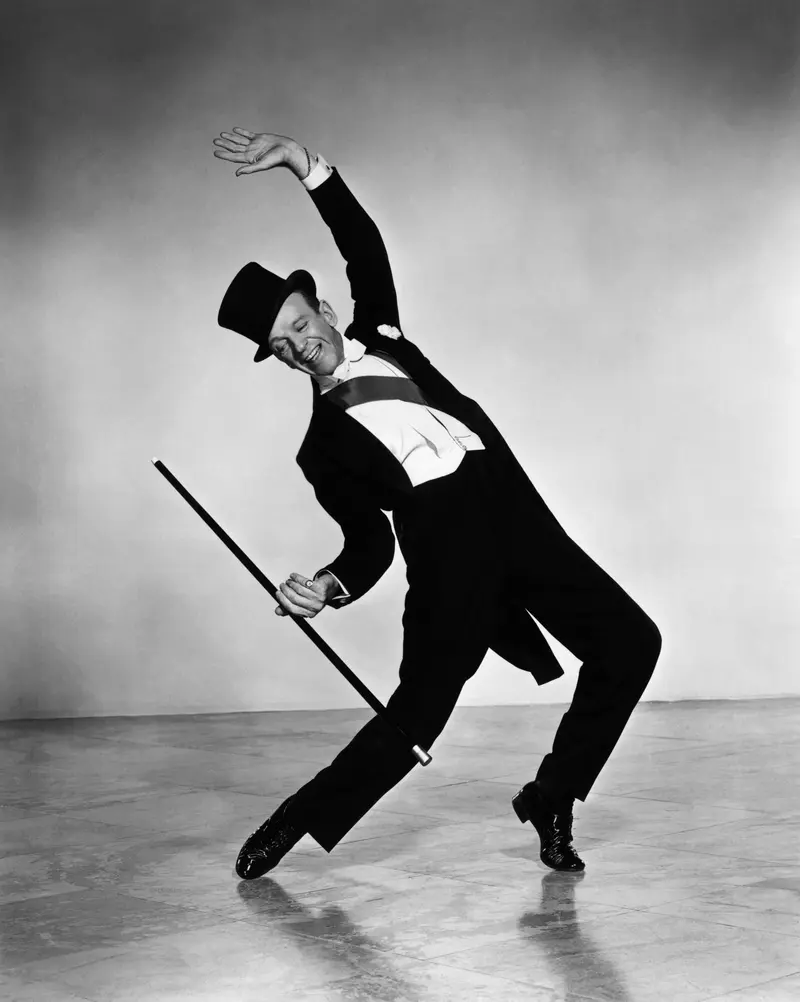
Photo: DoctorMacro.com
Fred Astaire left the screen and returned to it more than once. His later years run through two announced retirements, the death of his wife in 1954 and a second marriage at 81, and they end with his death from pneumonia on June 22, 1987, at age 88. He first quit in 1946, after Blue Skies, and came back in 1948 to replace an injured Gene Kelly in Easter Parade. After Silk Stockings, his final musical for MGM, he announced that he was finished dancing in films. From 1958 he made musical specials for television and took non-dancing parts, and his final film came in 1981. He was buried at Oakwood Memorial Park Cemetery in Chatsworth, California.
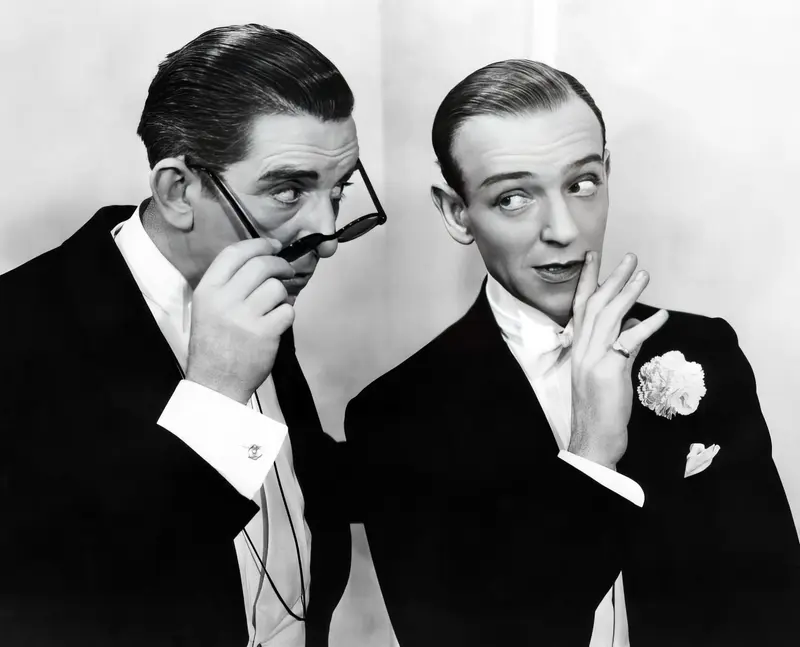
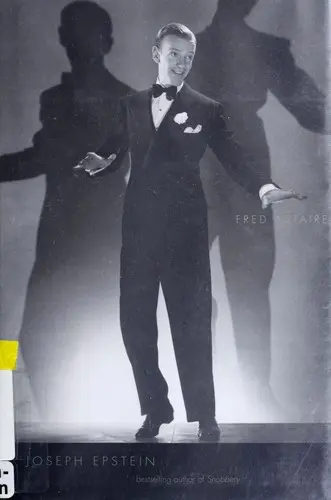
He could afford to leave. Joseph Epstein’s study Fred Astaire says that his early RKO pictures, among them The Gay Divorcee, Roberta and Top Hat, made huge profits for the studio. Astaire held a share of the profits, and his wife’s careful investing made him a wealthy man. Epstein writes that inside the studio system he came as near as anyone could to being “his own man.”
The first exit came in 1946. Kathleen Riley’s dual biography, The Astaires: Fred & Adele, records that his retirement was announced when Blue Skies was completed. Astaire, then 47, doubted he still had the physical and creative stamina such a career demanded. With his wife Phyllis encouraging him, he set up the first Fred Astaire Dance Studio on Park Avenue in New York and named its grand ballroom after his sister, Adele. Riley calls the chain of schools that followed a costly and troublesome venture and says he sold his proprietary interest a decade later. He also turned to horse racing, and in 1946 his horse Triplicate won the Hollywood Gold Cup and the San Juan Capistrano Handicap.
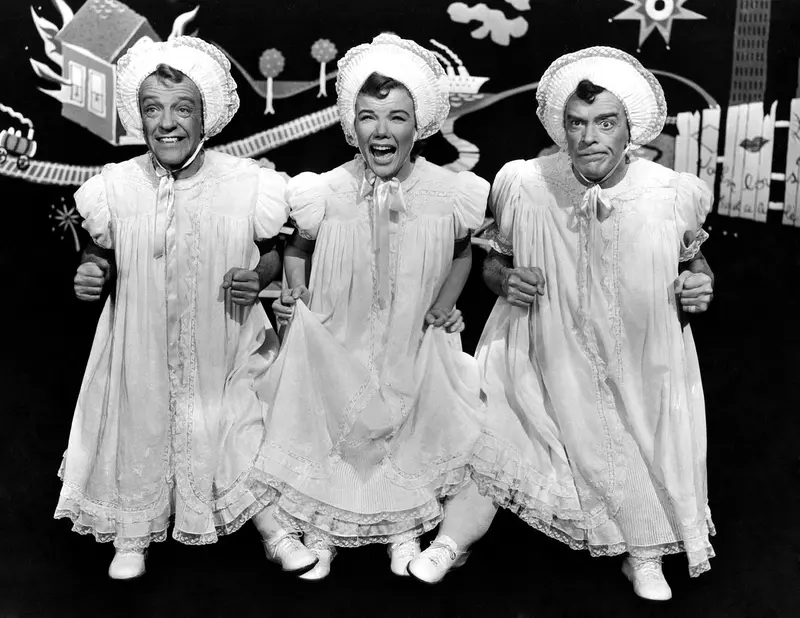
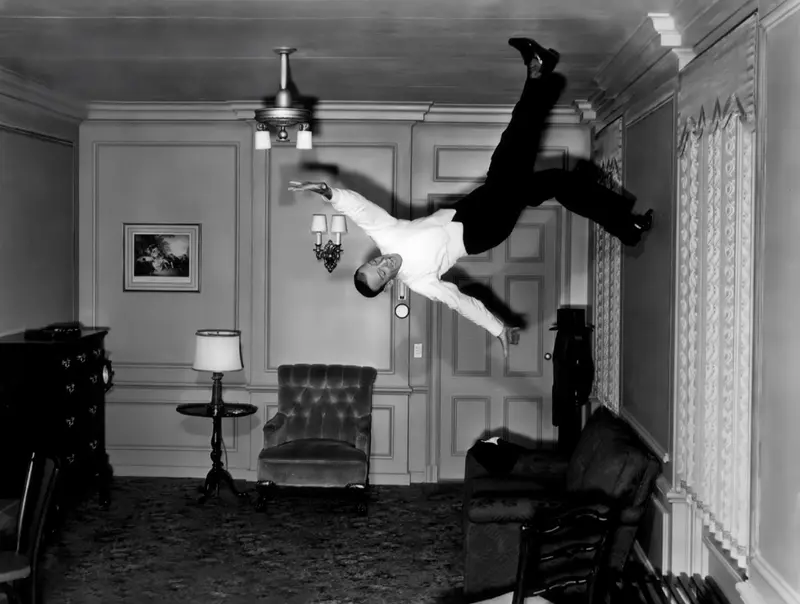
Riley dates the end of that retirement to 1948, when he took over the lead in MGM’s Easter Parade from the injured Kelly. Gerald Clarke’s Judy Garland biography, Get Happy, reports that Astaire regarded his numbers with Garland in the film as high spots in his career. Clarke adds that the studio decided to team them again before Easter Parade had even finished shooting. In 1950 he received a special Academy Award, which Riley records was given “for his unique artistry and his contributions to the technique of motion pictures.” MGM kept him through The Band Wagon in 1953, which won rave reviews and drew huge crowds but did not earn back its high cost on first release. Soon afterward the studio dismissed him, along with most of its remaining stars, as television arrived and film production was cut back.
Riley writes that Astaire had considered himself singularly blessed in his work and his private life until 1954, when, in her words, “his world fell apart.” Phyllis Astaire died of lung cancer that year at 46, ending a marriage of 21 years. He was about to start Daddy Long Legs with Leslie Caron at 20th Century-Fox. He wanted to shut the picture down and offered to pay its production costs out of his own pocket, until Johnny Mercer, the film’s composer, and Fox executives persuaded him that working would do him the most good. Funny Face, made for Paramount with Audrey Hepburn, earned good reviews but failed to recover its cost, and Silk Stockings, with Cyd Charisse, also lost money. After Silk Stockings he announced his retirement from dancing in films. By then he had made 30 musical films in 25 years.
New articles by email
An occasional email when a new article is out. No spam, unsubscribe any time.
Thanks. You are on the list.
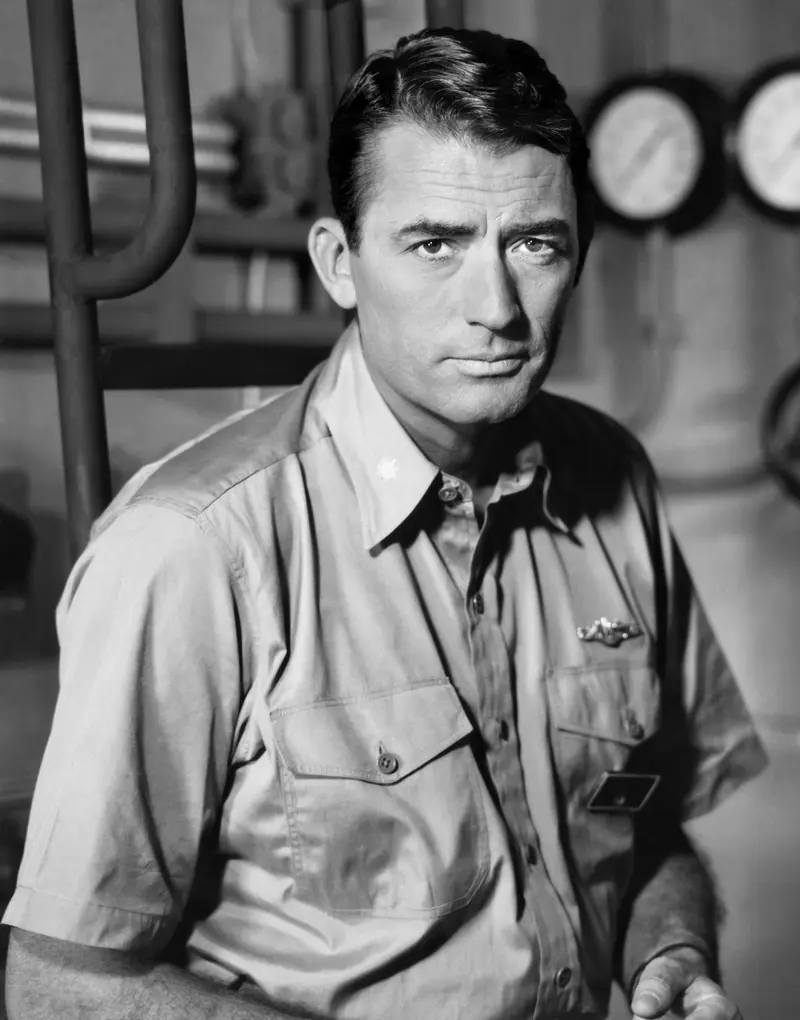
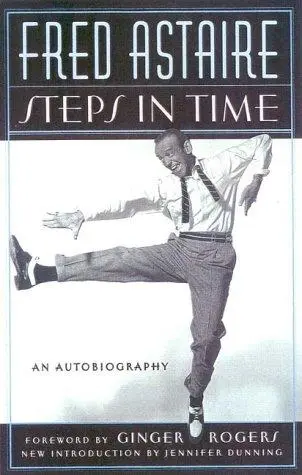
He did not give up dancing altogether. He made four musical specials for television, in 1958, 1959, 1960 and 1968, each with Barrie Chase as his partner. Epstein writes that Astaire knew how highly he was valued and used it to insist on his own standards, and he quotes him telling a television producer, “I’m not interested in doing anything crummy.” The first special, An Evening with Fred Astaire, won nine Emmy Awards, including one for Astaire himself. Some objected that dancing was not the acting the award was meant to honor, and Astaire offered to give it back, but the Television Academy refused to consider it. He played Julian Osborne, a character who does not dance, in On the Beach and was nominated for a Golden Globe. In 1959 he also published his autobiography, Steps in Time. Epstein calls it laconic, careful to steer clear of anything painful in his private life.
His last major musical film was Finian’s Rainbow in 1968, and its director, Francis Ford Coppola, set aside the rule Astaire had kept since 1934: dances filmed with few cuts, the dancers in full view at all times. On January 1, 1973, a friend introduced Astaire to Robyn Smith, a jockey, at Santa Anita, and that March she became the first woman jockey to win a stakes race. His own work went on without dancing. The Towering Inferno, in 1974, brought him his only competitive Academy Award nomination. Riley records that he and Adele were seen dancing together at the Hollywood premiere of That’s Entertainment! that year. At 78 he broke his left wrist skateboarding in his driveway.
In 1979 he asked his agent to find him a part on Battlestar Galactica because his grandchildren followed the series, and that episode, in which he danced with Anne Jeffreys, was the last time he danced on screen. He married Smith on June 24, 1980, at the Astaire home in Beverly Hills. He was 81 and she was 35, and she retired from racing that August. His final film was Ghost Story in 1981. Epstein describes the older Astaire as churchgoing and patriotic, and dismissive of the new music and the franker sexuality of 1970s films.
Astaire refused every offer to put his life on film. “I shall not sell,” he said of those offers, and his will asked that no portrayal ever be made, because he did not want his life “misinterpreted, which it would be.” After his death, Smith fought a series of legal battles over the use of his image. She stopped the Kennedy Center from using footage of him in its 1992 televised tribute to Ginger Rogers. In 1997 she agreed to Dirt Devil commercials that digitally altered his old footage so that he seemed to dance with mops and vacuum cleaners, over the objections of his daughter, Ava. In 1998 the 9th Circuit ruled against her when she tried to stop an instructional videotape that used public-domain footage from Second Chorus and Royal Wedding. The estate had not kept the film rights to Steps in Time, which were sold to Sony. On December 5, 2021, Tom Holland announced that he would play Astaire in a biopic directed by Paul King from a script by Steven Levenson. Epstein had observed that no definitive biography revealing a hidden life existed, and that none ever would “if the great dancer’s luck holds out.”
For another Hollywood ending, the next story is how Cary Grant died.
Read next
Star profile / Cary Grant
“He wouldn’t let us”: How Cary Grant died of a stroke in Davenport, Iowa, after refusing the hospital
Cary Grant died of a massive stroke on November 29, 1986, on tour in Davenport, Iowa, after refusing the hospital until a coma ended the argument. Reporters waiting at his hospital got the news from London.
Continue readingQuick answers
What happened to Fred Astaire?
Fred Astaire retired from films in 1946 and returned in 1948, then gave up dancing in films after Silk Stockings in 1957. He lost his wife Phyllis to lung cancer in 1954 and kept working in television and non-dancing roles. He married jockey Robyn Smith in 1980 and died of pneumonia on June 22, 1987, at 88.
Why did Fred Astaire not want a biopic?
Astaire believed a film would misinterpret his life. He turned down every offer, saying he would not sell, and his will included a clause asking that no portrayal ever be made. His estate did not keep the film rights to his 1959 autobiography, Steps in Time, which were sold to Sony.
How did Fred Astaire die?
Fred Astaire died of pneumonia on June 22, 1987, at age 88. He was buried at Oakwood Memorial Park Cemetery in Chatsworth, California.
In this article
Easter Parade
Charles Walters 1948
Watch it
Silk Stockings
Rouben Mamoulian 1957
Watch it
Funny Face
Stanley Donen 1957
Watch it
Not listed on Amazon right now. Search Amazon for it.
The Band Wagon
Vincente Minnelli 1953
Watch it
On the Beach
Stanley Kramer 1959
Watch it
Royal Wedding
Stanley Donen 1951
Watch it
Not listed on Amazon right now. Search Amazon for it.
Top Hat
Mark Sandrich 1935
Watch it
The Gay Divorcee
Mark Sandrich 1934
Watch it
Roberta
William A. Seiter 1935
Watch it
Not listed on Amazon right now. Search Amazon for it.
Fred Astaire
Joseph Epstein · 2008
Get the book
Steps in time
Fred Astaire · 1959
Get the book
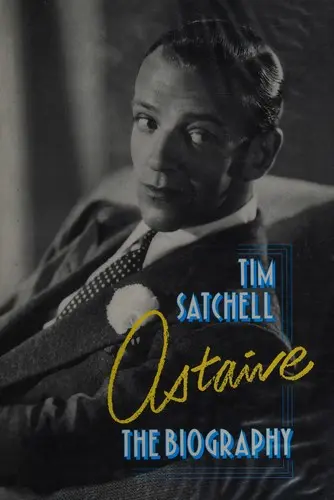
Astaire
Tim Satchell · 1987
Get the book
Not listed on Amazon right now. Search Amazon for it.
Fred Astaire
Larry Billman · 1997
Get the book
Not listed on Amazon right now. Search Amazon for it.
Sources
- Fred Astaire by Joseph Epstein (2008)
- The Astaires: Fred & Adele by Kathleen Riley
- Get Happy by Gerald Clarke
- Possessed by Donald Spoto
- Canadian Moving Picture Digest (Jan 9, 1937), page 10, Internet Archive, accessed 2026-11-06
- Cinelandia (July 1935), page 54, Internet Archive, accessed 2026-11-06
- Fred Astaire, Wikipedia, accessed 2026-11-06
- Robyn Smith, Wikipedia, accessed 2026-11-06
Photo credits
- Fred Astaire in a still from Silk Stockings (1957). Photo: DoctorMacro.com